“I look upon myself as a planter of seeds. It’s like the Bible says, some land in the stones and don’t sprout, some land in the path and get stomped on, but some land on good ground and grow and multiply a 1,000 fold. My job is to show folks there’s a lot of good music in this world, and if used right it may help save the planet” Pete Seeger
Pete Seeger’s banjo. This machine surrounds hate and forces it to surrender
Pete Seeger died this past week at the age of 94 and I think the picture above is a perfect microcosm of Pete’s life: two strong hands, a banjo, his voice leading others TOGETHER in song. Pete often said, ” The best music I’ve ever made in my life has been when I can get the folks, all of them, young and old, the conservative, liberal and radical, get ’em all singing on the chorus.” And he did just that for over 75 years. Pete Seeger lived a good, long and meaningful life and used the tools he had at hand to get out and do his work of singing, playing and passing the songs along that he picked up from Woody, Leadbelly, Paul Robeson, from cultures around the world and from countless others while trying to influence the people and to make this a better, more fair and decent place for all of us to live.
It is fitting that I write this while in Springfield, Il, The Land of Lincoln, for Pete and Abe were very similar despite the fact they were born 100+ years apart. Both were tall men with beards, both chopped wood on a regular basis :), both believed in the power and goodness inherent in the Constitution and The Bill of Rights, and they both believed in the beauty of this country and world and were willing to use their voice and influence to fight for them. Pete Seeger chopped wood everyday of his life as a form of exercise and to help clear his mind and spirit and to keep the rhythm of his songs and life. On days where his schedule did not allow for his chopping, he complained bitterly to friends and family. And according to Arlo Guthrie, Pete was still chopping wood until about a week before he passed. If only we all can be so lucky to live to a similar age while doing the things we love.
A few weeks ago, my dad and I went to the Abraham Lincoln Museum in Springfield, Il to see a new exhibit there of stage props, settings and clothes worn in the Spielberg directed Lincoln. Wasn’t much to see and was fairly disappointing on that end, but we also walked through the main museum for the 100th time as you can always find something new if you look hard enough. (By the way, as a standing offer, if any of you ever make your way out to Illinois at anytime and wish to go, I would be happy to take you down to Springfield and see some Lincoln sights. I’ll be your personal chaufer, tour guide and overall general raconteur 🙂 It’s well worth the time)
One of the exhibits is on the Gettysburg Address which celebrated its 150th anniversary last year, 2013. The library collected several letters from notables around the country and world on the importance of the speech including WJ Clinton, Colin Powell, poet Billy Collins and one Mr.Pete Seeger. His letter was simple, to the point and showed his wit, charm and intelligence all in one brief letter and the additional page he attached with his own design of Lincoln’s speech which he changed to allow for an easier memorization for his listeners. Classic Pete and a prime example of what Pete did his whole life: passing what he thought was important in life, in sustaining a democracy and continuing to build a connection between the people.
Pete Seeger’s letter and redesigned Gettysburg Address. Springfield, Il ALPML
The picture I took isn’t the greatest quality so here is the text: “Dear friends at the Abraham Lincoln Presidential Library and Museum. Since November 19, it will be 150 years since Old Abe gave the address. I try to get people to memorize it. Written out as 10 sentences and 4 clauses, it’s much easier to memorize than the way it’s normally provided in 2 or 3 paragraphs. I’m curious to know what you think of it. I am sorry I can’t visit you in person but at the age of 94, my travelling days are over. Sincerely, Pete Seeger.”
(With his famous drawing of his banjo underneath)
Rock music critic and historian Dave Marsh wrote a great tribute to Pete this week, A Golden Thread, A Needle which can be read by clicking this sentence. In his essay, Marsh writes of a night in 1996 at the Rock and Roll Hall of Fame at the Woody Guthrie Tribute concert. As a finalee, Pete led a song along with many musicians joining him on stage and getting the entire audience to sing with them. Marsh writes, “I think it was the first time I’d ever truly seen him. He was pleased, I understood, not so much that the night had carried Woody and what he represented forth in such grand fashion. What I remember seeing in Pete Seeger’s eyes was a sense of relief. He knew something that night—if I’m right—something important about not just Woody’s work, but his own. Which meant also the work of all the people he’d learned from, and all those who’d taught them, from the slaves who came up with “O Freedom” to Mother Bloor writing the labor history Woody made into music. He knew that folks would try to carry it on, in both spirit and substance.
That linkage is the golden thread and its purpose now is weaving the garment of human survival, which was the explicit theme of Pete Seeger’s last few decades on the planet. A rainbow design without which we cannot live. A design that shows us why and how to keep the most important thing that Pete Seeger represents alive.
We cannot experience the full measure of what it means to lose Pete Seeger until we realize that this burden is not his to carry, anymore. Now, it’s on you. And me.”
Marsh is right, it’s up to you, me and all of us to make the world a better place for all of us. And it’s time to pick up an axe and start chopping wood.
Pete Seeger and Bruce Springsteen, Madison Square Garden, 2009
“Pete was one of those guys who saw himself as a citizen artist and an activist. He had a very full idea about those things, how it connected to music and what music could do. The power that music has to influence, to inspire. And that’s the power of folk music. That’s the power of Pete Seeger.” Bruce Springsteen
Coda: This Land Is Your Land
In 2012, my dad and I took a road trip to see sights in Kansas and Oklahoma like DDE Presidential Museum, Mickey Mantle’s boyhood home in Spavinaw and Commerce, OK and we went to Okemah, Oklahoma where Woody Guthrie was born. After searching for a while and with a little help from friendly people, we found what remains of Woody’s boyhood home which now is simply some of the original stone foundation. In the yard stands one of the last remaining trees and a local artist carved a message from Woody into the side. And in one of life’s great ironies, there was a small white sign in the yard that says “It is a crime to steal stones from this property.” On the other side, it doesn’t say nothing, that side was made for you and me. This Land was written by Woody in 1940 and would have been a dust speck of history if not for Pete Seeger picking up the song and singing it time after time for crowds, school children, unions, and presidents alike.
Bob Hilligoss at site of Woody Guthrie’s first home, Okemah, Oklahoma, 2012
Original foundation of Guthrie’s boyhood home, Okemah, Oklahoma. One side is a warning to trespassers. On the other side it says nothing and that side was made for you and me
Top 10 Pete Seeger Songs, written, sung or inspired by
10)Goodnight Irene- Written by Leadbelly and taught to the Weavers who performed this version on early television
9)Forever Young– Written by Bob Dylan and sung by Pete along with child’s choir. From Chimes of Freedom: Songs of Bob Dylan honroing 50 years of Amnesty International.
8) If I Had a Hammer
7) Waist Deep In The Big Muddy
6) Johnny Cash on Pete Seeger’ Rainbow Show
5) Bring Em Home- From Bruce Springsteen’s Seeger Sessions Tour
From The New Yorker profile on Seeger from April 17, 2006 by Alec Wilkinson.
“Springsteen began listening to Seeger in 1997, when he was asked to provide a song for a Seeger tribute record. To choose one, he told me, he “went to the record store and bought every Pete record they had. I really immersed myself in them, and it was very transformative. I heard a hundred voices in those old folk songs, and stories from across the span of American history—parlor music, church music, tavern music, street and gutter music. I felt the connection almost intuitively, and that certain things needed to be carried on; I wanted to continue doing things that Pete had passed down and put his hand on. He had a real sense of the musician as historical entity—of being a link in the thread of people who sing in others’ voices and carry the tradition forward— and of the songwriter, in the daily history of the place he lived, that songs were tools, and, without sounding too pretentious, righteous implements when connected to historical consciousness. At the same time, Pete always maintained a tremendous sense of fun and lightness, which is where his grace manifested itself. It was cross-generational. He played for anyone who would listen. He played a lot for kids. When I set the musicians up in my house to make this record, and we started playing Pete’s songs, my daughter said, ‘That sounds like fun—what is that?'”
Seeger typically performed with the simplest instrumentation—by himself, with banjo and guitar, and, in the Weavers, with another guitar player. Springsteen is accompanied by drums, bass, piano, guitar, accordion, banjo, double fiddles, horns, and backup singers. His versions include more references than Seeger’s did—Dixieland, Gospel, stringband music, rhythm and blues, and rock and roll among them. It is as if folk music, temporarily dormant, had been revived in a more populist and modern form. “The Seeger Sessions” does not include any songs that Seeger wrote, such as ‘Turn! Turn! Turn!” which was a No. 1 record for the Byrds in 1965. Springsteen recorded “If I Had a Hammer,” but felt that it asserted itself too forcefully among the other songs, possibly because it was so well known. The songs he chose, he said, are “ones that I heard my own voice in. When you’re going through material that way, you’re always trying to find your place in the story. With the songs I picked, I knew who those characters were, and I knew what I wanted to say through them to transform what we were doing. That’s your part in the passing down of that music. You have to know what you’re adding. Every time a folk song gets sung, something gets added to that song. Why did I pick Pete Seeger songs instead of songs by the Carter Family or Johnny Cash or the Stanley Brothers? Because Pete’s library is so vast that the whole history of the country is there. I didn’t feel I had to go to someone else’s records. It was very broad. He listened to everything and collected everything and transformed everything. Everything I wanted, I found there.”
4) Hobo’s Lullabye- Written by Woody Guthrie, performed by Bruce Springsteen and Pete Seeger. For my grandfather Hubert Barr who rode a train from central Illinois to work in the CCC during the Great Depression.
3) The American Land- Bruce Springsteen, inspired by Seeger’s He Lies Here In The American Land
2) Turn Turn Turn- Written by Seeger, performed by Bruce Springsteen, E Street Band and Roger McGuinn
1) Co tie- We Shall Overcome- History told by Pete Seeger
1) This Land Is Your Land- Written by Woody Guthrie, performed by Bruce Springsteen and Pete Seeger, 2009, Washington DC
Rememberance from Tom Morello, guitarist/musician/songwriter and political activist Tom Morello. Much like Lincoln, Pete was willing to actually excercise his Constitutional freedoms and not just claim them. In a recent post in Rolling Stone by , Morello writes, “He was a hardcore bad ass when he stood up to House Un-American Activities Committee, saying, “How dare you question my Americanism because I play music for people whose politics are different than yours?”
By Ryan Hilligoss and Shawn Poole, January 8th, 2014
(A version of this was used for a special guest Be The Boss episode on E Street Radio, Sirius/XM which aired January 8, 2013)
Two Hearts: American Icons Elvis Presley and Bruce Springsteen
Merry Elvismas!! To celebrate American icon Elvis Presley on what would have been his 79th birthday, I’ve put together something special with a lot of help from my good friend Shawn Poole from Philadelphia, contributing writer for BackstreetsMagazine and Backstreets.com. Shawn and I became fast friends through E Street Radio where we both are regular callers on Live from E Street Nation with Dave Marsh. We’re both major fans of Elvis Presley and Bruce Springsteen.
Just over a year ago, Shawn, his wife Dawn and I traveled to Memphis, Tennessee and Tupelo, Mississippi to see the shotgun shack where Elvis was born, the areas where he grew up, where he made his first records and, of course, Graceland, the legendary house and property that Elvis bought for himself and his family after he became a superstar. We stood together outside the same wall at Graceland that Bruce climbed back in 1976 in his legendary, though unsuccessful, attempt to meet his hero in person.
Shawn and Ryan jumping the wall, ala 1976. That’s a copy of Backstreets Shawn is holding, not Time or Newsweek
We also saw a special exhibit at Graceland that, for the first time ever, features items belonging to other artists who continue to be influenced and inspired by Elvis, including Bruce Springsteen, but more on that later. We’ve prepared a very special post for you today that was inspired by our travels. Since Elvis’ birthday falls on January 8th, we’re going to play eight tracks that connect Bruce Springsteen to Elvis Presley in some very unique ways. So let’s get this birthday party started with a double-shot of Elvis-themed songs that were not written by Bruce Springsteen, but on which he appears as a backing singer and musician. These excellent songs explore both the glory and the tragedy of Elvis Presley’s life and career. Here are Joe Grushecky & the Houserockers performing Joe’s song Talking to the King with Bruce Springsteen on guitar and backing vocals, followed immediately by Ms. Patti Scialfa performing her song Looking for Elvis with Bruce on harmonica and bullet mic. So take it away, Joe, Bruce and the Houserockers. It’s Elvis’ birthday here at 706unionavenue, let the rocking begin!
I think a lot of us have been looking for Elvis down Memphis road in one way or another over the years. For those of you who are interested, you can read my essay on our pilgrimage to Tupelo, Mississippi entitled “That’s All Right Mama, I’ll Get The Guitar”, by clicking on the link in this sentence. I took the title from a joke from Howard Hite, an employee of Tupelo Hardware Co, where Gladys bought Elvis his first guitar in 1946. According to Howard, Elvis came in to store on his 11th birthday to buy himself a present earned by running errands for family and neighbors. He had his eye set on a .22 rifle, but Gladys told him no and the store clerk that day handed Elvis a guitar to avert his attention. After he played the guitar for a few minutes, Gladys said, “Elvis if you want the guitar, I’ll pay the difference.” And Elvis thought a moment and said, “Ok mama, I’ll get the guitar.” In Howard’s version, he has Elvis saying, “That’s All Right Mama, I’ll get the guitar.”
For those of you who may not know, 706 Union Avenue is the address in Memphis, Tennessee of the Memphis Recording Service which later became Sun Studio, owned and operated by musical pioneer Sam Phillips. Many argue that the first rock and roll record was recorded at Sun Studio, Jackie Brenston’s Rocket 88. Many early American musicians recorded at Sun including Rufus Thomas, Howlin Wolf, BB King, Junior Parker, Jerry Lee Lewis, Johnny Cash, Carl Perkins and of course Elvis. After hearing Howling Wolf for the first time in the studio, Phillips reportedly said, “Yes, yes. This is it for me, This is where the soul of man never dies.” Just as Phillips and the artists at Sun mixed musical styles of country, blues, rhythm and blues and gospel among others to form the basis of rock and roll, on this next track, Bruce and Little Steven blend music styles of rock and hip hop in the song’s use of samples, loops and various styles of percussion riding over a driving bass line. So here, in the ‘blessed name of Elvis’, is the Little Steven mix of 57 Channels.
Y’know, if you get the chance to visit Tupelo, Mississippi, the town where Elvis was born, you’ve just got to stop at Tupelo Hardware, where Elvis’ mother Gladys bought him his first guitar for his 11th birthday. It’s a great old-fashioned hardware store, where you can stand on the spot marked with an “X” on the very same hardwood floor where Elvis stood and Mr. Howard Hite, Tupelo Hardware’s sales manager and a true Southern gentlemen, will tell you the story of how Elvis got his first guitar. As Springsteen fans, of course we thought immediately of Bruce’s beautiful song The Wish, which tells the story of how Bruce’s mother Adele bought him his first guitar for Christmas. The very first time that Bruce performed The Wish publicly, at the November 17, 1990 Christic Institute benefit, he concluded his introduction of the song by saying, “I´m gonna leap into the void and the great line of mother lovers: Richard Nixon, Elvis Presley, Merle Haggard and every country and western singer you ever knew.” Here is a live version played on the 2005 Devils and Dust Tour including the intro with some discussion on Elvis.
Every year, Graceland is the second most personal residence visited by tourists in America, only behind the White House. Much like Paul Simon, millions have been received in Graceland, ordinary and famous alike. One famous visitor was comedian, actor, performance artist and all around avant-garde artist Andy Kaufman, known by many as Latka from the television series Taxi. Kaufman had an obsession with Elvis starting from childhood. Knowing that Andy and his writing and performance partner Bob Zmuda could play loose with facts and reality, much of what has been said and written about his exploits cannot be verified for certain, but it makes for some very entertaining stories. Knowing that, it can be said Andy had quite the connection with Elvis.
According to Andy, in 1969, he tilted at windmills by hitchhiking from Long Island to Las Vegas on a quest to meet his idol. After hiding in a kitchen pantry for hours at the International Hotel where Elvis made regular appearances, Andy burst out when he heard Elvis exit a service elevator and begin walking through the kitchen on his way to the stage. Andy proceeded to show Elvis a manifesto he had written about his love of Elvis and he told Elvis that he was going to be famous some day. Elvis reportedly patted Andy on the shoulder and said he was sure that was true. Elvis has been cited by Johnny Cash and tv host Mike Douglas as stating that Kaufman was Elvis’ favorite impersonator. Elvis was a loyal Johnny Carson viewer and I imagine Elvis did watch Kaufman perform on March 3, 1977 during which Andy turned his clothes into a 70s Vegas jumpsuit and then proceeded to sing Love Me and Blue Suede Shoes in a 50s Elvis style voice replete with the appropriate dance moves. Most interestingly, according to Zmuda in his biography, Andy Kaufman Revealed, he and Andy were in Memphis for the infamous Jerry Lawler wrestling match when they decided to tour Graceland. A few of the guides recognized Andy and took him on a private tour including Elvis personal office and pointed to some video tapes that had Andy’s name written on them in Elvis hand. Kaufman became overwhelmed with emotion at seeing his name written on Elvis’ home recordings and excused himself to “the restroom” where a flush was soon heard and Andy came out and exclaimed, “I used Elvis’ throne, I mean I really used it. It was amazing.” So in the spirit of two great American artists who were way ahead of their time, Andy Kaufman and Elvis Presley, from the October 11, 2004 Vote for Change concert, here is Bruce and REM “goofing on Elvis’ on Man on The Moon.
My buddy Shawn Poole and I are the bosses today here at 706unionavenue and we’re celebrating the birthday of Bruce Springsteen’s very first musical hero, Mr. Elvis Presley. We just told you some interesting stories about Graceland, Elvis’ legendary home and last year there was a special exhibit at Graceland’s Sincerely Elvis Museum. It was called ICON: The Influence of Elvis Presley and it marked the very first time that an official Graceland exhibit had included items from artists other than Elvis. Among the many artists included were Bruce Springsteen, of course, along with some video and displayed quotes on the walls from Bruce, Nils Lofgren and Patti Scialfa, too. There’s also a glass case with a copy of the Born To Run LP, one of Bruce’s black leather jackets from the seventies and an authentic Elvis Presley King’s Court fan club button, just like the one you can see on the cover of Born To Run and in many other photos taken by photographer Eric Meola for the Born To Run album-cover photo sessions. And right next to that, in the very same glass case, is a large display copy of a Backstreets Magazine article that Shawn wrote back in 2004.
Shawn Poole with a copy of his article from Backstreets magazine inside the ICON exhibit on the Graceland Grounds, December, 2012
And speaking of Born To Run, we think “She’s The One”, thanks to its Bo Diddley beat and Bruce’s singing style on it, is the Born To Run track that most closely resembles the musical styles found in many of the great Elvis Presley records. So here is an incredible live version played in 1975 at the Hammersmith Odeon in London, England on the band’s first trip overseas.
We’re back, rolling along on this great Mystery Train of Elvis Presley, Bruce Springsteen and American music. In 1978, after enduring a struggle for his artistic freedom, Bruce wrote Promised Land for the album, Darkness On The Edge of Town. While it is unknown if it was purposeful, it shared the same title of a song written by one of his, and countless other’s, musical heroes, Chuck Berry, a man from a poor family living in a segregated St.Louis, Mo. Chuck’s version, written in 1964 while he was in jail and possibly influenced by Martin Luther King’s I Have a Dream speech in 1963, tells the tale of a poor southern boy dreaming of a better life in California and struggling to make his way across the country in search of that dream. With names like Rock Hill, Atlanta, and Birmingham, some have claimed that Berry was writing a coded song about the Civil Right Movement. In the later stage of his career, Elvis recorded Berry’s Promised Land and turned it into one of his last great rock recordings.
Springsteen with Elvis button, BTR cover outtake from Eric Meola
Elvis Presley and Chuck Berry, two huge influences on the music of Springsteen, were two of the most influential ”fathers” of rock and roll, one of the great unifying forces in modern American life and one that greatly influenced the civil rights movement. Elvis’ first recordings took place in a small, dusty Memphis studio called Sun Records situated at 706 Union Ave. In his extraordinary work on Elvis, Careless Love, author and music historian, Peter Guralnick writes “…in the end, there is only one voice that counts. It is the voice that the world first heard on those bright yellow Sun 78s, whose original insignia, a crowing rooster surrounded by boldly stylized sunbeams and a border of musical notes, sought to proclaim the dawning of a new day. It is impossible to silence that voice. Elvis continued to believe in a democratic ideal of redemptive transformation. He continued to seek out a connection with a public that embraced him not for what he was but for what he sought to be.”
We would like to dedicate this next song to two Beautiful Dreamers, Elvis and Bruce, who both dreamed of a promised land, a better country and world for all to be treated fairly and humanely. On those early Sun recordings, it was only Elvis, guitarist Scotty Moore and bassist Bill Black. So, to create some percussion, Elvis would use his hand to bang on the guitar body to keep the beat along with Black’s bass line. Here is Bruce creating his own percussion, in a haunting, ghostly fashion on an acoustic version of the Promised Land, recorded June, 2005 during the Devils and Dust Tour.
If I Can Dream Of A Better Land
We’ve been the ‘bosses’ today at 706unionavenue in a special post celebrating the birthday of Elvis Presley, Bruce Springsteen’s original and enduring influence. Well, we’re going to close our work today with one of Bruce’s songs from his Wrecking Ball album released in 2012, We Take Care Of Our Own. The lyrics make direct reference to a shotgun shack and, if you get the chance to visit Elvis’ birthplace as we have, you’ll see that he really was born in a shotgun shack, which is an extremely small house built by Elvis’ father Vernon , who had to borrow $180 to build it. Like Bruce Springsteen, Elvis Presley was a very poor young man who later became very wealthy. Elvis’ greatest music, however, was always about the struggle to dream the biggest dreams we can of a world in which everyone, not just a lucky few, can be liberated and free from poverty, loneliness and suffering.
For most of his life, Elvis lived and worked in Memphis, TN, a city with deep ties to the Civil Rights movement, and at the Memphis Rock ‘n’ Soul Museum we learned how so much of the music made by Elvis and so many other musicians was strongly connected to that great struggle. It forced us as a nation to reconsider our assumptions about how we identify ourselves as both individuals and groups, how our culture should look, sound and feel. That’s why it continues to influence and inspire so many people around the world today, over thirty-five years after Elvis himself died so tragically. Bruce Springsteen, one of Elvis’ biggest fans, is making music now that continues to ask us the question that Elvis asked when he sang If I Can Dream on his 1968 “comeback” television special, a night of performances that Bruce himself counts among Elvis’ greatest. That night, Elvis asked all of us, “If I can dream of a warmer sun where hope keeps shining on everyone, tell me…Why won’t that sun appear?” Happy birthday, Elvis, and rest in peace. Thanks for inspiring Bruce Springsteen and all of us to ask ourselves the questions that still need to be asked.
Coda: Sources, videos and other material
*Sirius/XM’s Outlaw Country, NASCAR Radio, Blue Collar Radio and Raw Dog Comedy DJ Mojo Nixon did one of the best E Street Radio Guest DJ segments ever. Bruce Springsteen himself loved it so much that he asked E Street Radio’s Dave Marsh to get a copy of the show for him. Back in the eighties, Mojo wrote and recorded the great, hilarious tribute record “Elvis Is Everywhere.” Mojo also has called Dave Marsh the man who’s forgotten more than the rest of us will ever know about Bruce Springsteen. In 1973, Dave wrote his very first Springsteen record-review of Greetings From Asbury Park, N.J. coincidentally in the same Creem Magazine column that also featured his review of the album Elvis Aloha From Hawaii Via Satellite. Speaking of Greetings…, although we won’t be playing it on today’s show, that album’s closing track, “It’s Hard To Be A Saint In The City,” is one of the earliest examples of Bruce singing in the tough, bluesy style that Elvis used on many of his best records.
Prince From Another Planet
On June 9, 1972, the same day he was signed officially as a Columbia Records recording artist, Bruce Springsteen attended Elvis’ very first Madison Square Garden concert. Bruce said that Elvis’ performance that night was “really great.” Almost thirty years later, when Bruce released the Live In New York City CD and DVD of some of his own Madison Square Garden concerts, he could be heard shouting “Elvis is alive!” during “Tenth Avenue Freeze-Out” after an audience member threw a white shirt onstage. Bruce mopped his sweaty face with the shirt and threw it back into the audience like Elvis used to throw his scarves into the crowd during the seventies, and he even copped an Elvis-like stage move. The cover for Bruce’s Live In New York City CD booklet was created using an old-fashioned letterpress concert-style poster designed by the legendary Hatch Show Print with die-cut star designs used originally on a 1956 Elvis Presley concert poster.
A toilet fit for a King, restroom in Sun Studios, Memphis, Tn
Robert Samuel Hilligoss holds Robert Lee Hilligoss in his palm, 1942, Humboldt, Il
Many great people share a birthday on January 3rd including actor Ray Milland, First Lady Grace Coolidge, hockey great Bobby Hull and legendary Beatles producer George Martin. A great American born on this date was none other than the man, the myth, the legend: Robert Lee Hilligoss, who turns 72 today. According to the records, Robert was born at 11:45pm at Jarman Hospital in Tuscola, Il, 15 miles from the family home in Humboldt, Coles County. Robert was delivered by Doctor Gross to parents Letha Cook Hilligoss and Robert Samuel Hilligoss. Robert’s maternal grandparents were Edward and Ruth Mitchell Cook. His fraternal grandparents were Kenneth and Eva Wright Hilligoss. According to his baby book, Robert’s first journey took place on January 7th, 1941 when the family was transported from the hospital in Tuscola to Kenneth Hilligoss’ farm in the Schrader Funeral Home ambulance and the temperature that day was 12 degrees below zero.
Baby Arrive page from baby book, written by Letha Hilligoss
Robert Samuel Hilligoss, Letha Cook Hilligoss and Robert Lee Hilligoss, 1942
Upon their arrival home, the baby’s first visitors included: Mr. and Mrs. George Wilson, Ms.Mildred Mitchell, Mr. and Mrs. Mildred Barnhardt, Mr. and Mrs. Ed Cook, Mr. and Mrs. Kenneth Hilligoss, Mr. and Mrs. Leslie Hilligoss, Grace Louise Orndoff and Joe Evans. We do not remember days, we remember moments For the purposes of this piece, I asked dad to give me some early childhood memories in his own words so we can hear it straight from the horse’s mouth, or mule’s depending on who you ask.
Robert Lee Hilligoss, 1945
1) On the morning he was born, father Robert asked Dr.Gross how much the delivery would cost, to which the doctor replied, “Do you think that boy is worth $25 dollars?”
Robert Lee being held by Kenneth and Eva Hilligoss
2) “The day mom and I caught a train at the Humboldt Depot in Oct. or early Nov. 1945, early, early morning. The milk train, for Chicago. Sat in the ICRR station all day awaiting for dad to return from the USMC. He failed to show for some reason. We returned to Humboldt dad showed up a week or so later right at Thanksgiving time, 1945. There are photos of that day.” Yes there are and below is one of them. The baby book states, “Came back (sic Robert) to the states September 20, 1946 and his 30 day furlough began October 13, 1946. He was discharged November 27 at Great Lakes Naval Training center.”
Robert Samuel Hilligoss returns from WWII. On the Hilligoss farm, Humboldt, Il with Kenneth, Eva, Gladys, Paul and Herman
Robert Lee Hilligoss plays on Kenneth’s farm, 1943
3) “1st grade. Seems as if we had a lot of snow, and being the only 1st grader I was an easy target for older students. I’d come in from the playground wet from being rolled in the snow. One day Miss Emily took my to the cloakroom had me strip down to my underwear, put me in a smock. I sat in the first desk, front row of this one room schoolhouse, grades 1-8, in a dress. The are two points I’d like to make about this simple story. 1. In a day of frivolous law suits, the teacher would probably face trouble, she would be accused of damaging my self-esteem, she was concerned with saving my life from pneumonia. She faced charges that bullying was allowed, I think in reality it was a lesson of life that needed to be learned.”
Letha Hilligoss with Robert Lee, Cook family farm
4) “One day I was standing in Granddad Cook’s front yard probably 6 years old, I think I was watching Ed Cook and dad dehorn cows. Mom pulled up in a hurry and shouted that Ronnie had just swallowed Kerosene. Dad dropped his tools, ran and hurdled the picket fence that sat out front of Ed’s house. I was astounded, my dad could jump that high. Dad, for a person who never played organized sport, was a natural athlete. He could do it all. In his forties he, Ronnie, and Rick would go to the Arcola football field where he enjoyed kicking field goals.”
Robert Lee Hilligoss on Ed Cook’s farm, 1946
5) ” In the second grade in 1949, many people in the USA were being struck with polio. One day one of my classmates was absent. He may have been absent for several days, but on this given day, I raised my hand and asked, “Miss Emily , Where is Kenny?” Miss Emily replied, “Kenny died.” That was a jolt in the seat end of your pants! We got through it without any scars that I am aware of and without anyone holding our hands.”
Humboldt Elementary School with Ms. Emily
6) “In 1953, right before harvest time and before school started, my parents decided to visit my mother’s half-brother living in Pueblo, Co. When we travelled there were no motels to speak of, plus we travelled on a shoestring budget. We’d sleep in the car, and on roadside picnic tables. One day dad wanted to rest a bit, and pulled into a city park in the middle of Kansas, Dorothy wasn’t there. Ronnie and I jumped out of the car to play and went running for a swing set. Out of nowhere this man who was waving a pistol came up to us and told us to get out of his park. Mom stuck out her famous chin, charged into the playground. The next thing I knew dad had her by the arm and threw her into the car. Ronnie and I were close behind. Dad drove out of the park in a flash. He was yelling something about never challenge a crazy man, who is waving a pistol in your face. ”
Family Vacation 1957. Robert Samuel, Letha, Robert Lee, Ronald Edwin, Richard Eugene and Ruth Marie Hilligoss
In his email to me with his thoughts, he closes with this, “Favorite memories are tough to separate from all memories. Today sitting here at McDonald’s watching snowbound traffic, snow clouds my memory. “Over the river, and through the woods to Grandmother’s house we go.” I can understand as my thoughts are often clouded with my own memories and of those of others who came before and after. We all share the same memories and hand them down from generation to generation. Happy 72nd birthday pop.
Robert Lee Hilligoss with Graham Ronald Hilligoss. Old barbershop in Humboldt, Il
Pine trees in front of Humboldt Elementary school. Dad first points to where the trees stood in height when he was a student and then recreates how he used to jump over them everyday at recess.
Letha’s Boy, by Sharon Hardin Behind blue drapes with cabbage roses Hat watches the paper boy, the grin on his freckled face, when he sees cookies she placed with the Journal payment, in the Mason Jar kept for that purpose on the porch “Letha’s boy’s a cute little fixen, Not like the boys that chant From the bushes— ‘Three old, grey witches, A biddy, a crazy, a stringy old maid, Living in an old grey house.” When the bike rattle fades She steps out on the porch For the paper, then back inside Thinks, “If me and Paul had married, Had a house full of freckled-faced boys, A grandson the age of Letha’s boy, I wouldn’t be a sour old maid, Hiding with ‘Crazy Glade’ Here in Mamma’s house.”
Graceland, Memphis, Tennessee with Christmas lights
By Ryan Hilligoss, December 22, 2013
“It’s Christmas Eve! It’s… it’s the one night of the year when we all act a little nicer, we… we… we smile a little easier, we… w-w-we… we… we cheer a little more. For a couple of hours out of the whole year, we are the people that we always hoped we would be!” Bill Murray as Frank Cross in Scrooged
Ryan Barr Hilligoss with his brothers Kevin Lee and Robert Sean, Christmas morning, 1980, Godfrey, Il
It’s that special time of the year once again. The time is rapidly approaching of my favorite holiday, and my favorite time of the year where we all try a little harder to be the people we always hoped we would be like Bill says. I’ve watched my usual favorite movies like Elf about 5 times with the kids, Love Actually, The Family Stone and The Family Man. I’ve pulled my normal Clark Griswold and hung as many lights as possible on the house without killing myself by falling off the roof or a ladder. We’ve drug out boxes of favorite decorations from the basement and turned our living room into a veritable North Pole of Cortland, Illinois. These are all steps on the way to remembering what is most important in life, friends and family close and far, living and gone who have all been a part of my life and who I am.
Also to get me along the way are countless hours spent listening to holiday music starting on Thanksgiving and not a day before. Unless I am in a store that is piping in canned Christmas music on what seems an ever earlier time as corporate America keeps expanding the “shopping season”. Thanksgiving used to be the normal time to see decorations and displays, but this year as I was walking through one of an unnamed, large multinational drugstore, I saw snowmen figurines lining the shelves before Halloween was over. Son of a nutcracker!!!! Can’t we leave some things the way they used to be. Below are my top 20 favorite Christmas songs and stories from my favorite artists. It started as a top 10 list but grew into 15 and more since I have so many favorites. Read and listen and once you are done, tell me some of your personal favorites that are missing from my list or may have not heard yet. Santa’s got a brand new bag!!
20) Sleigh Ride, The Ronettes- Say what you may about Phil Spector as a person, but his recordings and productions from the 1960s were cornerstones of rock and roll/pop music and influenced all other artists recording from then on. Sung by Ronnie Spector and featured on Spector’s A Christmas Gift For You, released in 1963, and includes turns by R&R Hall of Famer Darlene Love who was lead singer of The Crystals, and layers and layers of backing instruments and music.
Shitter’s Full!!! Cousin Eddie emptying his chemical toilet into the sewer
19) Mele Kalikimaka by Jimmy Buffet. Originally recorded by Bing Crosby and The Andrews Sisters in 1950 and featured in National Lampoon’s Christmas with Randy Quaid as Eddie with taking a dive into a magical swimming pool while wearing a white tank top and tiger print speedos. Here is Jimmy Buffet’s version which puts me in a very Hawaiian state of mind on this cold winter’s night.
17) Have Yourself a Merry Little Christmas by Ella Fitzgerald. One of the finest American voices and artists. Fitzgerald’s Wishes You a Swinging Christmas gets played heavily every year.
16) Winter Wonderland by Ray Charles. Master craftsman and musical arranger at work on this classic which he gives fresh life with the sleigh bells ringing out as an intro and then a sharp break as the music kicks in. Released in 1985 on his The Spirit of Christmas album. Featured in one of my holiday movie favorites, When Harry Met Sally.
15) The Night Before Christmas read by Louis “Satchmo” Armstrong. Recorded in 1971 by one of America’s greatest gifts to music and culture around the world. The Armstrong growl is on full display here and he gives the story by Clement Moore vivid, clear life.
14) The Rebel Jesus by Jackson Browne. Thanks to my good friend Shawn Poole for pointing this one out I had somehow missed since I love Jackson Browne’s music. Played solo on piano and included on his Acoustic Solo Volume 1 release. “The families gather and give thanks for God’s graces and the birth of the rebel Jesus/They’ve turned the spirit I worship from a temple to a robber’s den, in the words of the Rebel Jesus”
13) 2,000 Miles, The Pretenders. One of rock’s great bands fronted by Chrissie Hynde.
12) Daddy Looked A Lot Like Santa, Buck Owens. Owens was the founding force of the Bakersfield sound in country music and his Buckaroos backing band could play country or rock as hard as any other pop band of the time. The song was released on November 8, 1965, with “All I Want for Christmas, Dear, Is You” on the B-side.] It placed at number 2 on the yearly Christmas singles chart issued by Billboard at the time.
11) The Christmas Waltz byShe and Him. Released in 2011 by the group featuring actress/singer Zooey Deschanel and guitarist M.Ward on their a Very She and Him Christmas. Deschanel has a terrific voice, yes that is her singing Baby It’s Cold Outside in the shower during Elf when she yells at Will Ferrell to get out, and they have released other good music.
10) Must Be Santa by Bob Dylan. Christmas in the Heart is the thirty-fourth studio album and first Christmas album by American singer-songwriter Bob Dylan, released in October 2009 by Columbia Records. The album comprises a collection of hymns, carols, and popular Christmas songs. All Dylan’s royalties from the sale of this album benefited the charities Feeding America in the USA, Crisis in the UK, and the World Food Programme.[1]Dylan said that, although Jewish, he never felt left out of Christmas during his childhood in Minnesota. Regarding the popularity of Christmas music, he said, “… it’s so worldwide and everybody can relate to it in their own way.”
Chuck Berry, The Father of Rock and Roll and Father Christmas
10) Run Rudolph Run by Chuck Berry. Recorded by Berry at Chess Records and released in 1958 with backing by Johnnie Johnson, Willie Dixon and Fred Below. Contains the usual Chuck Berry beat and guitar rhythm and Santa riding the freeway down in a Cadillac sleigh, what else would you expect.
9) James Lundeen’s Christmas by Garrison Keillor. One of the master storyteller’s News From Lake Wobegon segments from his Prairie Home Companion shows, released in 1983. Here, Keillor brings a fictional story to life and paints a picture of small moments in life as they relate to the true meaning of Christmas. The true gifts in life are the moments we share with friends and family.
Ryan and Robert Lee Hilligoss with Garrison Keillor
8) We Wish You a Merry Christmas by Booker T and The MGs. Released in 1966 on their In The Spirit of Christmas album. The band consisting of Booker T Jones on organ, Donald ‘Duck’ Dunn on bass, Steve Cropper on guitar and Al Jackson on drums was the house studio band at Stax studios in Memphis, Tennessee and was one of the finest bands in history as it laid down the music on so many classic songs for artists including Otis Redding, Sam and Dave, Isaac Hayes, Arthur Conley and many others. This song is a great representation of their sound: soulful organ, funky bass, tight beat and crystal clear, biting guitar.
7) Christmas As I Knew It by Johnny Cash. Written by June Carter Cash and first recorded at the Ryman Auditorium in 1970 during recording for The Johnny Cash Show. It basically tells the story of John’s childhood memories of growing up in very humble beginnings in Dyess, Arkansas where his father tried to grow cotton to support the family. Reminds me of both sets of my grandparents and father who grew up in similar circumstances. This version has a short introduction by John’s mother, Carrie Cash on how they were just happy to be together around the holidays.
6) Wintersong by Sarah McLachlan. She has one of the purest, best voices in modern recording and her Wintersong album is a yearly highlight. She wrote the song and the haunting, mellow lyrics and arrangement could be about a friend who has moved on or a child who has grown up and is no longer the one who snuggled in bed with the narrator. I hear it as a remembrance of a child which makes me imagine how it will be when my two kids are grown. I’ll always hold the memories of all the Christmas mornings and of sledding in the snow.
Robert Lee, Ryan Barr, Graham Ronald, and Aurora Eva Rose Hilligoss. Christmas 2012, Godfrey, Il
5) Six to Eight Black Men, read by David Sedaris. One of the funniest writers working today as well as being heard on public radio and in person at live readings where he packs the theaters. Sedaris has a distinctive voice and biting, dark wit. In this piece, he reflects on social and cultural chauvinism while he talks about small differences in cultures around the world including when people open presents and their Santa Claus story. Apparently in Holland, Santa used to be the bishop of Turkey, lives in Spain, and instead of having elves, has 6-8 black men who are his assistants. Like a great episode of Seinfeld, Sedaris talks of many various topics throughout the piece but connects them all in the end when he circles back from the beginning.
4) Santa Clause is Coming To Town by Bruce Springsteen. Most of the time, Bruce would be number one, but there are three other holiday selections I like better. While he has played this version often over the years, this version was recorded December 12, 1975 at CW Post College in Greenvale, NY. Opening with Bruce talking about the wind whipping down the boardwalk of Asbury Park and asking Clarence if he’s been practicing so Santa bring him a new saxophone, it soon explodes into a full E Street sound closely following the Crystals version on Spector’s Christmas album. I love the portion where Clarence takes on the Santa role and offers several hearty ho ho hos which crack Bruce up as he attempts to keep a straight face and voice.
3) It Won’t Seem Like Christmas Without You by Elvis Presley. This is my favorite Elvis recording taken from his great Elvis Sings The Wonderful World of Christmas album, released in 1971, which includes Holly Leaves and Christmas Trees, If I Get Home on Christmas Day and If Everyday Was Like Christmas. Elvis was in great voice during these recording sessions and puts a lot of emotion into this one. “I’ll see you tonight in my dreams.”
2) A Christmas Memory read by Truman Capote. I first heard this on a Christmas episode of This American Life. This is an abridged version of a short story Capote wrote on his boyhood memories of a special friend he had as child.
A Christmas Memory by Truman Capote
1) White Christmas by Otis Redding. It doesn’t get any better than this with Redding, The King of ‘Em All Y’all, singing his heart out with Booker T and The MGs laying down the backing music. “May your days, may your days, be merry, so merry and bright.”
If you’ve made it this far, I appreciate your time and attention. Let me know some of your favorites I may have missed. I wish you all the best for you and your family and as the Hawaiians say on a bright Christmas day, Mele Kalikimaka!!!
“Chuck Berry is the king of rock and roll. My mama even said that. Why mama, what about me? Son, you’re good, but you’re no Chuck Berry. Chuck Berry is the Hank Williams of rock and roll.” Jerry Lee Lewis on a conversation he had with his mother.
“No one does it better than Chuck Berry”, Bruce Springsteen introducing Berry’s Sweet Sixteen during concert 8/21/78.
By Ryan Hilligoss, October 2013. In celebration of Chuck Berry’s 87th birthday
In 1973, a twenty-four year old budding musician from New Jersey and his band were booked by their manager to play on a triple bill with Jerry Lee Lewis and Chuck Berry. When told the promoter would hire a local band to back up Berry for the live show, the musician told his manager to let them know they would back him up instead since Chuck Berry was one of their musical heroes. That young musician was none other than Bruce Springsteen who along with his E Street Band, backed up Chuck Berry at a concert held at the University of Maryland’s Cole Field House on April 28, 1973.
Newspaper ad for concert on 4-28-73 featuring Chuck Berry, Jerry Lee Lewis and Bruce Springsteen
In 1986, a documentary entitled Hail! Hail! Rock N’ Roll, was released which featured a live performance of Berry performing at the historic Fox Theater in St.Louis and included a legendary musical lineup including Keith Richards as guitarist and musical director, supremely talented Steve Jordan on drums, Johnnie Johnson(Berry’s longtime pianist and musical partner) on piano once more, and guests Etta James, Julian Lennon, Eric Clapton and Linda Ronstadt among others. The performance filmed that night was held at The Fox Theater in St.Louis. The choice of venue was a very deliberate choice on Berry’s part and had great personal and racial significance. When Chuck was a child growing up in a segregated St.Louis, Berry’s father attempted to take his children to see the movie, A Tale of Two Cities at that very same theater and was told by the white ticket operator, “Come on now, you know we don’t sell tickets to your kind. Go on now.” 40 years later, here he was as a legendary, iconic, founding member of the Rock and Roll Hall of Fame and playing a concert in front of an almost entirely white audience who were all going nuts for him during the performance.
Berry’s book, entitled simplyChuck Berry: The Autobiography, has a foreword written by Springsteen who also appeared in two separate segments of the documentary. Chuck Berry introduces Bruce’s foreword with, “Now here’s a guy who speaks what God loves, which is the truth. How he got it down so straight I’ll never know, but it’s like I had written it.”Within the documentary are several interviews with other musical artists and fans of Berry, including Springsteen who relays the events of the night in 1973 in fine detail.
One part of the story left out of Bruce’s version is that at least on that night, the E Street Band included Southside Johnny(John Lyon), who at the beginning of the show, played the harmonica standing over on the side of the stage. According to brucebase, Berry was so impressed that he pulled Johnny over to center stage and told the crowd, “That white boy can blow can’t he?”
As bad as some of that appears from Springsteen’s version ie no idea on what songs he would play, keys, in fact, things may have been even worse. According to Craig Statham’s Springsteen: Saint In The City, there was more to the story. When Berry came into the band room before the show and Bruce asked what songs they were going to play, Berry simply replied, “Chuck Berry songs boys, what did you think?” According to Statham, “When the time came to play the first songs, the band was nearly quaking in their boots and things would only get worse when Berry called the first song in B flat. He then proceeded to castigate Garry Tallent and Viny Lopez for playing too fancifully, and Springsteen for playing his lead on his acoustic guitar, turning down the volume on his amp and telling him, ‘Only Chuck Berry plays Chuck Berry licks.’
If you would like to hear a close approximation of what Bruce and the band and Chuck Berry sounded like that night in 1973, with Berry just launching into the song with no introduction and no warning to the band and then the band racing to figure out the song and proper key, below is audio from a performance of Rock and Roll Music from September 2, 1995. You can hear Berry struggling at first through the song but then picking it up as the band kicks in with the ‘Chuck Berry sound’. Even though Chuck forgets some of the words and vamps his way through it, ‘it still has a back beat that you can’t lose it, any old way you chose it.’
Chuck Berry with Clarence Clemons in background, from 4-28-73 concert, University of Maryland, image from brucebase
A third source on the story comes from musician and pianist Daryl Davis through the blog Go Ahead On! in which Davis relays his first hand account of that night as he was standing on the side of the stage that night as an observer after sneaking his way into the show, “He walked toward where I was standing a few feet from the band. As he passed me, I didn’t say a word, I just watched him. He laid the guitar case down on an amp crate and opened it up. The bandleader approached him with the rest of the band and said something to the effect of, “I’m Bruce Springsteen and my band is your backup band. We’re really looking forward to playing with you.” At the time, few people outside of Asbury Park, NJ knew who Bruce Springsteen was. Chuck shook hands and Bruce went on to tell him that they had been going over some of his repertoire earlier and asked what songs he might want to play that evening. Without pausing or missing a beat, Chuck said, “I think I’ll play some Chuck Berry songs,” and walked on stage and plugged in his guitar. It was a great concert. When he came off stage, he packed up his guitar but had forgotten the cord. The audience was screaming for an encore. Chuck walked back onto the stage and the crowd thinking he was going to play another song cheered even louder. He pulled the cord out of the amp waved to the crowd and duckwalked off the stage. He walked right by me again and again, I didn’t say a word. I was just in awe. He went out the door and got in the rental car and drove himself to wherever he was going.”
According to brucebase, Springsteen and the E Street Band’s opening 50 minute set that night included Spirit in the Night, Does This Bus Stop at 82nd Street, Blinded by the Light and Thundercrack. Berry’s set lasted for 70 minutes and included some of those ‘Chuck Berry songs’ including Maybellene, Rock and Roll Music, School Days, Roll over Beethoven, Nadine, No Particular Place To Go, Sweet Little Sixteen, My Ding A Ling, Reelin’ and Rockin‘, and Johnny B. Goode.
Chuck Berry and Bruce Springsteen playing their guitars like they’re ringing a bell. Sound check September 1995
In 1995, Bruce Springsteen was asked by the Rock and Roll Hall of Fame to have a significant role during their museum dedication celebration held at Cleveland Brown Stadium. Springsteen reformed the E Street Band which had been disbanded in 1989, for a short time, and once again they were the backing band for Chuck Berry as well as Jerry Lee Lewis.
There stood a ‘colored’ boy named Johnny B Goode
The recordings Chuck Berry did at Chess Records in Chicago in the 1950s and 60s, mainly with the backing of Johnny Johnson on piano, Willie Dixon on bass and Fred Below on drums, have inspired countless musicians the world over including The Beatles, The Rolling Stones, and of course, Bruce Springsteen. Berry’s influence on Springsteen has been evident throughout Springsteen’s career including lyrics, guitar rhythms and stylings, similar song titles, and Berry references in his live performances including the classic Growin Up’ outro ‘And it was bye-bye New Jersey, we were airborne.’ During a 1972 interview with rock journalist Paul Nelson, Springsteen was asked what inspires him musically, “Eddie Floyd’s arrangement of Raise Your Hand, Bob Dylan’s Highway 61, and Chuck Berry. I saw him the other night at a show. He was to the 50s what Dylan was to the 60s. He just laid it down so much…just incredible.”
In 1975, after 18 grueling months of recording the Born To Run album, Springsteen was very ambivalent about the music and releasing the album. He even threatened to scrap the whole project and just release a live album of material recorded at the Bottom Line. According to Dave Marsh, a very concerned Jon Landau talked to Springsteen and said, “Look,” he told him, “You’re not supposed to like it. You think Chuck Berry sits around listening to ‘Maybellene’? And when he does hear it, don’t you think the wishes a few things could be changed? Now come on, it’s time to put the record out.’ It was an argument Springsteen could understand, and he accepted it. So it was over. The monster was tamed at last.” The key to that paragraph is “it was an argument Springsteen could understand.” Landau knew how deep Springsteen’s love and admiration of Chuck Berry’s music ran, and by using Berry’s name and song, he was putting the argument in terms near and dear to the young artist’s heart. And we as the audience are all the better for that discussion.
Charles Edward Anderson Berry was born on October 18, 1926 in St. Louis, Missouri and lived in a segregated, middle-class neighborhood called the Ville. Berry learned a love for music at an early age from his parents who sang at home and at church. Berry started playing the guitar in his early teens and was greatly influenced by the pop music vocal styling of Nat King Cole, the blues of Muddy Waters and T Bone Walker, the swing of Tommy Dorsey, the jazz of Louis Jordan and the country and western of Bob Wills and The Texas Playboys. After Chuck Berry joined a trio at a small club in St.Louis which included boogie woogie pianist Johnnie Johnson, Berry combined all the various styles of music he enjoyed into a new sound which became one of the cornerstones of rock and roll music. Berry developed his signature guitar sound using all of his influences, forming a new distinctive sound including his trademark double string licks.
In Hail! Hail!, Keith Richards explained the Chuck Berry sound’s relation to Johnnie Johnson’s piano, “Chuck adapted his guitar riffs and keys from Johnnie Johnson’s piano keys, not Johnnie playing around Chuck’s keys. Guitar keys are played in A, E, D using open strings, and if you listen to the music, it uses piano keys, jazz keys, horn keys, Johnnie Johnson keys. Chuck adapted his guitar around Johnnie’s sound and put those great lyrics behind them.”
According to Berry himself, he derived his sound from blending together all of his influences up to that point and making it his own. “So the guitar styles of Carl Hogen, T-Bone Walker, Charlie Christian, and Elmore James, not to leave out many of my peers who I’ve heard on the road, must be the total of what is called Chuck Berry’s style. So far as the Chuck Berry guitar intro that identifies many of my songs, it is only back to the future of what came in the past. As you know and as I believe it must be true, there is nothing new under the sun. So don’t blame me for being first , just let it last. The nature and backbone of my beat is boogie and the muscle of my music is melodies that are simple. Call it what you may: jive, jazz, jump, swing, soul, rhythm, rock or even punk, it’s still boogie as far as I am connected with it.”
That guitar sound and Berry like storytelling can easily be heard in Springsteen’s From Small Things(Big Things One Day Come) recorded in 1979.
Bye Bye Johnny/Johnny Bye Bye
In Dave Marsh’s excellent, The Heart of Rock and Soul: The 1,001 Greatest Singles Ever Made, he places Johnny B. Goode second best of all time, only behind Marvin Gaye’s I Heard It Through the Grapevine, and he writes,“Buried deep in the collective unconscious of rock and roll, there’s a simple figure drawn from real life: One man, one guitar, singing the blues. But he’s not any man. He’s black, Southern, poor and (this is the part that’s easiest to miss) dreaming. In many ways, his story is terrible and terrifying. We’re speaking after all of someone like Robert Johnson, by all evidence as sensitive and perceptive as, say, F.Scottt Fitzgerald, but rather than pursuing lissome Zeldas through Alabama mansions, he’s enduring the pitiless reality of sharecropping, segregation, the threat of lynching, and all but inescapable twentieth century serfdom in Mississippi.”
“Chuck Berry’s genius lay in his ability to shape those gruesome facts into a story about joy and freedom. Not that he didn’t have to make concessions to the reality he was subverting. He says in his autobiography that he wanted to sing, “There lived a colored boy named Johnny B Goode,” rather than the “country boy” we now have, but, “I thought it would seem biased to the white fans.” Especially no doubt those white listeners who programmed the radio stations that would determine whether the record became a hit or was not heard at all.”
“Already a star, Chuck Berry was on intimate terms with the pop game and the limits it imposed on famous men with black skin. Standing at the edge of the rules, Berry shot himself right past one crucial dilemma of American culture into the center of another. By changing “colored” to country, he found that, instead of speaking for himself alone, he’d created a character who also symbolized the likes of Elvis Presley, another kid whose mama promised that “someday your name will be in lights.” Horrible as the source of the compromise may have been, its effect was to treble the song’s force. For ultimately, if you could identify with either Berry or Presley, there was a chance you could identify with both. The result is history- and not just pop music history.” DM
The correlation between Presley and Berry is an important one given their placement in the firmament of rock and roll and its’ development. Both artists combined all of their influences into a new sound, both equally great, but equally different and containing slightly divergent genres. Throughout his career, Elvis Presley loved to play the music of Chuck Berry, both on stage and in the studio. I recently stumbled across a release of live audio taken from Presley’s performances during his brief but important tenure on the Louisiana Hayride radio program from 1955-1956 which contains several versions of Presley playing Berry’s first hit, Maybellene. In the 1960s, amidst the dearth of movie music, Presley recorded great versions of Berry’s Memphis, Tennessee and Too Much Monkey Business. In later years, Johnny B. Goode was a Presley concert staple and in 1973, Presley recorded Berry’s Promised Land, as Presley may have seen a lot of his own life story in the lyrics of a poor southern boy who makes good and sees his name in neon lights. Berry wrote the sequel of Johnny B. Goode, entitled Bye Bye Johnny in which a tearful mother “pulls her money from the southern trust and put her little boy on the Greyhound bus to make motion pictures out in Hollywood.”
Unwittingly, Berry had written the lyrics that Presley had lived out in his own life with this: “She remembered taking money out from gathering crop/And buying Johnny’s guitar at the broker shop/As long as he would play it by the railroad side/And wouldn’t get in trouble, he was satisfied.” Given the level of Presley’s poverty, not many people would know at that time, but those four lines sum up the first 20 years of Presley’s life. Gladys had indeed worked in the cotton fields around Tupelo, Mississippi while pulling a very young Elvis down the rows on her cotton sack. She then used the little money the family had saved to help Presley buy his first guitar on his 11th birthday. And, the Presleys lived along the railroad tracks in the Shakerag neighborhood of East Tupelo, the poor side of the tracks amongst the African-American section of the town.
After Presley died in 1977, Springsteen, a devoted fan of both artists, chose to write his elegy for Presley and reversed Berry’s title and borrowed the first two lines of Berry’s song to open his farewell. For this, Berry is given co-writing credits on the studio release.You can also hear the basic Chuck Berry guitar rhythm which accompanies the lyrics. Below are Berry’s Bye Bye Johnny and Springsteen’s Johnny Bye Bye.
No Money Down/Cadillac Ranch
While learning his musical craft playing in clubs at night, Chuck Berry had many jobs including carpentry, which he learned from his father, a beautician, and he also worked on the assembly line at the local General Motors plant producing,……you guessed it, Cadillacs, the trademark vehicle in so many of his classic songs. In his lyrics, many of Berry’s characters obtained freedom by either buying a car, cruising the highways, or getting friendly with their loved ones in a Cadillac. To Berry, in his own life and in those early songs, the Cadillac represented elegance, grace, social currency, and freedom: personal, racial, and, sexual. In Berry’s autobiography, he writes, “Cars were dear to me and provided luxuries far greater than any others. It wasn’t so much travelling that motivated me to better cars, it was the quality of settling down I anticipated. With the restrictions we had at home, it was imperative to have a place to base for face-to-face. In your car, you could enjoy any sort of spectacular performance without the likelihood of a heckler or someone crossing the stage during the climax of your show.” Berry’s use of the cars for escaping seem to have rubbed on Springsteen who often times used cars as central characters in many of his early songs including Born To Run, Thunder Road and Racing In the Street. During The River tour, Springsteen often used a small portion of Berry’s No Money Down as an introduction to Cadillac Ranch, purposefully demonstrating the influence of Chuck Berry on his own work.
Down Bound Train
In 1955,one of Berry’s early recordings at Chess Records was entitled Down Bound Train which had an overall eerie, ethereal atmosphere and contains imagery of a train loaded with life’s losers, those who’ve squandered their lives, and are travelling on a ghost train bound for hell. In Berry’s song, there is a dream sequence embedded in the lyrics in which a drunk falls down on a barroom floor, has nightmares of going to hell but then awakens to a new life after praying for forgiveness. In Berry’s autobiography, he writes on the writing of the song, “It surely was cultivated from my background of religious teachings. It took little to bring the thoughts of a sinner worrying over his destiny and coordinate the circumstance in a dramatic display of contrast to the average person’s life-style. I could say my father, in many ways, really wrote the foundation for Down Bound Train in his constant preaching of the horrors of hell once you’ve missed the blessings of salvation and heaven.”
Springsteen probably would’ve first encountered Berry’s version on Chuck Berry’s Golden Decade, Vol. 3 and the connection seems clear. In Springsteen’s version, which also has a dark, ghostly foreboding background and a dream sequence, his down bound train is reserved not so much for those whose life choices have them hell bound, but those for whom life’s circumstances are hell-like already and whose struggles already feel hopeless. Listen for yourself and see what you think.
Let It Rock/The Big Payback
Chuck Berry’s influence on the work of Bruce Springsteen appears to have reached its zenith during the period between Darkness On The Edge of Town and Nebraska. Berry’s songs were cover staples during live concerts of that period, many songs such as You Can Look But You Better Not Touch have that distinct Chuck Berry drive and guitar rhythm, and song titles such as I’m A Rocker appear to be Berry inspirations. On another interesting connection between Springsteen, Berry and the Nebraska album, according to my friend Shawn Poole, in a 1986 interview with Backstreets magazine, Nebraska album cover designer Andrea Klein revealed that the album Two Great Guitars, by Chuck Berry and Bo Diddley, was a key reference for the look that Bruce wanted for the Nebraska cover’s design and lettering. The Nebraska cover photo selected by Klein and Springsteen was taken by photographer David Michael Kennedy during the mid-1970s. It shares the Berry/Diddley album-cover’s perspective of a view from behind the windshield of a car.
Bo Didley/Chuck Berry Two Great Guitars album cover
You Can’t Catch Me/Open All Night/State Trooper
Another artist Chuck Berry inspired was John Lennon who once said, “If you tried to give rock and roll another name, you might call it Chuck Berry. In the 1950s, a whole generation worshipped his music and when you see him today, past and present all come together, and the message is Hail! Hail! rock and roll! Right on!” Some of the Beatles first albums included cover versions of Berry classic like Roll Over Beethoven and Rock and Roll Music. In one of the few instances where Lennon quoted another writer into his own song, The Beatles Come Together features the classic opening line “Here come old flat top/He come grooving up slowly” which is a reference to Berry’s You Can’t Catch Me. That “flat top” Berry refers to is a state highway trooper driving up the New Jersey turnpike in the rain, in the wee wee hours to pull over his brand new Cadillac Coup DeVille. Springsteen’s State Trooper is that very same patrolman who the driver pleads with, please don’t stop me because I got to get back to see my baby. In Open All Night, Springsteen’s driver, driving through the “wee wee hours when his mind gets hazy” calls out for help, “Hey Mr. Deejay, wontcha’ listen to my last prayer, hey ho rock and roll deliver me from nowhere.” In this, I hear distinct echoes of Berry’s deejay from Roll Over Beethoven when he writes “I’m gonna write a letter and mail it my local deejay/An’ it’s a jumping little record I want my jockey to play.” Neither highway driver wants to hear classical music or talk shows, they want some hard-driving rock and roll to propel them through the night.
As an interesting side note, it was recently reported that the space probe Voyager 1, first launched in 1977 and meant to try to communicate with other life forms out in deep space, has left our solar system for interstellar space. The Voyager probe was given a “Golden Record,” a phonograph of words and images meant to tell aliens of existence here on earth, should the probes be found. Classical music melds with sounds of nature and a series of hellos in various languages on the disc. Also, included in the music selections? “Johnny B. Goode” by Chuck Berry. So right now, there is a space probe drifting through the dark recesses of space, and Berry’s classic song maybe bouncing off a very distant satellite and broadcasting to Radio Nowhere.
Nadine/Pink Cadillac
Chuck Berry was the original rock and roll troubadour, one of the few early rockers to write his own lyrics and songs. On Berry’s writing style and genius, John Lennon stated, “I don’t think there’s any one band in the world, white or black, that wasn’t turned on by Chuck Berry. Not one of us, The Beatles, The Stones, you name any of them and they’ve all been inspired by him. His lyrics were very intelligent lyrics in the 50s when most people were singing about virtually nothing. He was writing social commentary songs. He was writing all kinds of songs with incredible metre to the lyrics which influenced me and Dylan and many others. The meter of his lyrics was tremendous. He’s the greatest rock and roll poet and I really admire him.”
After being asked how Chuck Berry’s work affected him, Springsteen said, “Like most musicians of my generation, I first heard Chuck Berry through the Rolling Stones. I think I learned my first Chuck Berry lead from Keith Richards and that first Rolling Stones record where they had Carol and a few other Chuck Berry songs, and from them I went back and got his records. I guess the funny thing is his influence on my own writing came later on when I wanted to write the way I thought people really talked because that’s how I felt like he writes. If you listen to one of his songs, it sounds like someone is coming in, sitting down in a chair and telling you a story about their aunt or their brother or some girl…the descriptiveness…and his eye for detail. Like on Nadine, ‘I saw her on the corner and she turned and doubled back/started walkin’ towards a coffee-colored Cadillac.’ It was like, I’ve never seen a coffee-colored Cadillac, but now I know exactly what one looks like!!” Given Berry’s propensity to use sexual innuendo in his lyrics which I will get further into later, I can’t help but think Berry could have been using the term coffee-colored Cadillac to refer to a certain part of his anatomy. And on the other side, Springsteen is echoing that with his own “pink Cadillac”, especially given the open sexual references in his own song. Hey, that’s the beauty of art, it’s open to our individual interpretation. That’s my story and I’m sticking to it.
I’m A Rocker/I’m Going Down
When Chuck Berry first began writing songs in the 50s, he often used subversive, coded lyrics to express himself regarding race, sex and politics. In the excellent book, Deliberate Speed, by WT Lhamon, the author makes a convincing argument that The Promised Land, written while Berry was serving a prison sentence for violating the racist Mann Act, Berry is writing about the Civil Rights Movement by using places like Rockhill, South Carolina and Birmingham, Alabama, of being 90 miles outside of Atlanta by sundown and getting through Mississippi clean. When you hear lyrics like “Can you imagine the way I felt, I couldn’t unfasten her safety belt” and, “She says she don’t, but I know she do” from No Particular Place To Go and Little Queenie, you might get the idea that there is some sexual tension boiling under the surface. Many of Berry’s songs had sexually charged titles such as Too Pooped To Pop, It Don’t Take But a Few Minutes, Let Me Sleep Woman and I Want To Be Your Driver. Berry has admitted that the phrase “drop the coin right into the slot” from School Days was as close as he could get to openly talking about sex at the time. Berry’s version of the old standard South of the Border has his character shoot a travelling salesman for playing with his wife south of her border between his Rio Grande and his Santa Fe. In 1970, Berry released his song, I’m A Rocker which contains the line, “I’m a rocker/I’m A Roller/ Sometimes I Go Down/But then I come back up and roll her.” While possibly not a direct relation to Springsteen’s I’m A Rocker from The River, given all the other Berry influences, I can’t help seeing a connection between Berry’s I’m A Rocker and Springsteen’s I’m Going Down. During a concert in 2008, Springsteen said of his version, “This is a song that almost didn’t make the Born In The USA record. It was either this or Pink Cadillac. We’ve played it a few times. It’s good for a laugh and probably one of my most insightful songs about men and women.” Below is a link to the audio from Berry’s I’m A Rocker from his 1970 album Back Home and Springsteen’s I’m Going Down.
Hail! Hail Rock and Roll, Hail! Hail! Chuck Berry
As most fans of Springsteen have heard or read over the years, then rock critic Jon Landau famously wrote of seeing Springsteen live in concert in 1974, “…. tonight there is someone I can write of the way I used to write, without reservations of any kind. Last Thursday, at the Harvard Square theatre, I saw my rock’n’roll past flash before my eyes. And I saw something else: I saw rock and roll future and its name is Bruce Springsteen. And on a night when I needed to feel young, he made me feel like I was hearing music for the very first time.” My own interpretation of that statement is that Landau didn’t believe Springsteen’s music was simply a retro soul, rock and roll sound but that he was taking his musical influences, ie Elvis Presley, Roy Orbison, Phil Spector’s sounds, The Crystals and Shirelles, Dylan, and forming his own distinct sound and art. Springsteen didn’t reinvent rock and roll, but he did make his own stamp and develop his own signature style just as his hero Chuck Berry did back in the 1950s by blending jazz, swing, blues and country and western into his own. Just as you can listen to any Chuck Berry song and say, that’s the “Chuck Berry” sound, you can listen to a Bruce Springsteen song and say, ‘now that’s the ‘Bruce Springsteen sound’.
On August 21, 1978, Springsteen and the E Street Band played in New York at Madison Square Garden. On that night, as on many shows on the same Darkness tour, Springsteen played several retro selections like Summertime Blues, Heartbreak Hotel, NotFade Away/ Mona/She’s The One and Berry’s Sweet Little Sixteen. To gain a full understanding of how Springsteen developed his own sound, you can listen to that night’s version of his classic, Growin’ Up. His composition has echoes of many of his influences, but none more so than Berry. In the middle of his ‘teenage werewolf shaggy dog story’ during the middle of the song, he tells a story of being chased out of Asbury Park by the police and driving down the New Jersey turnpike and quotes lyrics from Maybellene before doing his standard outro of that time, “And it was bye bye New Jersey, we were airborne.” Just as Springsteen was growing up as a person, he was also growing up in his musical artistry as, literally and figuratively, he said good bye to his home, both geographically and musically. Darkness was the album where he began to expand his songs, lyrics, stories and characters beyond the boardwalk into a more meaningful, national and even international spectrum. Listen below.
Chuck Berry is still out on the road performing his music for the fans, 60 years after he began. Earlier this year, Berry played concerts in the South American countries of Brazil, Argentina, Uruguay and Chile. This month, he will again travel overseas and play shows in Russia, Italy, Finland and Norway. But then he’ll be back in the USA after touching down on an international runway. Unless he is out of the country, Berry plays every second Wednesday of the month at a wonderful, small restaurant and performance venue called Blueberry Hill, set in the heart of a funky neighborhood called University City in St.Louis. Currently, he is scheduled to play November 13 and December 11, so if you are in the area or want to see a true living legend in action, go to blueberryhill.com for more information.
Even though Chuck Berry turns 87 years old this week, he is still out playing the rock and roll songs that inspired thousands of artists around the world including a young Bruce Springsteen. It’s good to know that the heart of rock and roll is still beating and it’s got a back beat you can’t lose it, any old time you use it, and it’s got to be rock and roll music if you want to dance with me. I think I know what John Lennon was onto when he suggested if you need to come up with another name for rock and roll you could call it Chuck Berry because when you a hear a Chuck Berry song with that back beat and driving guitar rhythm, it gets into your body and makes you feel good, and makes you want to get up and dance in the aisles, and it makes you feel like it ain’t no sin to be glad you’re alive. Happy birthday, Chuck, and thanks for the all the artistry, music and joy you have brought to all of us. I hope you have many more years, you beautiful, hard rockin’, guitar playin’, Cadillac drivin’, song writin’, highway cruisin’, booty shakin’, motorvatin’, space travelin’, musician inspirin’, duck walkin’, legendary, hard-core, rock and roll genius. Hail Hail!!! Rock and roll. Hail! Hail! Chuck Berry!!!!
Chuck Berry and Bruce Springsteen perform Johnny B Goode, September 2, 1995, Cleveland, Ohio
Top Bruce Springsteen covers of Chuck Berry
#3 Little Queenie(Are You Loose? Bomb Scare version), 10/02/75, Uptown Theater, Milwaukee, Wisconsin
#2 Sweet Little Sixteen, Largo, Maryland 1978
#1 Back In The USA, Main Point, Bryn Mawr, Pa 2/2/75
Sources, notes, odds and ends, brushes with greatness
Chuck playing ByeBye Johnny and Johnny Be Goode 1972
Chuck Berry on race and music
“Over half the songs I was singing at the Cosmo Club were directly from the recordings of Nat King Cole and Muddy Waters. They are the major chords in the staff of music I have composed. Listening to my idol Nat Cole prompted me to sing sentimental songs with distinct diction. The songs of Muddy Waters impelled me to deliver the down home blues in the language they came from, Negro dialect. When I played hillbilly songs, I stressed diction so that it was harder and whiter. All in all it was my intention to hold both the black and the white clientele by voicing the different kinds of songs in their customary tongues.” P. 90-91 autobiography.
“It seems to me that the white teenagers of the forties and fifties helped launch black artists nationally into the main line of popular music. Some of these songs caused parents and radio authorities to declare they were unsuitable listening and initiate record-breaking sessions on their programs. But still, the doctors, lawyers, and police chiefs of today, who then were teens, bent an ear to a totally different music and decided to delight in what was destined to become known as rock and roll.” P. 95 autobiography
Memphis, Tennessee: According to Craig Statham, in a monologue from a performance at Joe’s Place in Cambridge, Ma 1/6/74, Springsteen talked of his early love of Chuck Berry’s music. His mother famously gave him his first electric guitar in 1964, a barely tunable $69 sunburst Kent complete with a two-input ZoCo amplifier. Bruce and his friends loaded their guitars through the input jacks and started blasting out Chuck Berry’s “Memphis, Tennessee”, blowing up the amplifier within a few days.
Joe Perry on Berry’s writing genius: “As a songwriter, Chuck Berry is like the Ernest Hemingway of rock & roll. He gets right to the point. He tells a story in short sentences. You get a great picture in your mind of what’s going on, in a very short amount of space, in well-picked words. He was also very smart: He knew that if he was going to break into the mainstream, he had to appeal to white teenagers. Which he did. Everything in those songs is about teenagers. I think he knew he could have had his own success on the R&B charts, but he wanted to get out of there and go big time.”
8.21.78 NY MSG show: Springsteen plays Sweet Little Sixteen, and on Growin’ Up, quotes lyrics from Maybellene in the middle of his rap and then ends with the standard “it was bye bye new jersey we were airborne” which is a reference from Berry’s You Can’t Me. During Rosalita, he adds lyrics in the middle of the song with “I’m almost grown/I got my picture on the cover of the Rolling Stone” which is referencing the then current issue of RS which featured Dave Marsh’s essay.
Steve Jordan, drummer during Hail! Hail! and sometime Springsteen session drummer, explains how Chuck’s guitar progression, Johnson’s piano chords and the drum beat is definition of R&R: “Chuck Berry and Johnny Johnson, that’s the real push and pull of the sound. Rock and roll is all based on straight eigth notes against dotted quarters and dotted eigths. So the swing thing was perfectly illustrated with Earl Palmer and Little Richard. Rock is the straight eights and the roll is dotted eigths. And that’s what Chuck and Johnny had.”
Robert Lee Hilligoss doing his best duckwalk along with Johnny B Goode, University City, St.Louis, Mo
Kevin Lee Hilligoss playing the guitar like he’s ringing a bell, University City, St.Louis, Mo
“The last good time always comes, and when you see the darkness creeping towards you, you hold on to what was bright and good. You hold on for dear life.” Stephen King, Joyland
Graham Hilligoss and his new fishing lure
For the last twenty years, I have made a trip to visit family in the beautiful north woods of upper Wisconsin. Unlike the mostly flat, monotonous plains of Illinois with it’s never ending fields of corn and soybeans, Wisconsin offers lots of beautiful scenery including the meandering, winding Wisconsin River that criss-crosses US-51/I-39 up through the center of the state, countless lakes, wildlife and infinite stands of pine trees. Over the years, I have gone in various stages of life: alone, together with friends, with my girlfriend from college who became my wife, with a young Graham who was 11 months old when he first began crawling across the carpets of my Aunt Glenda and Uncle Forest’s Wisconsin living room, and finally as a family once Aurora Rose joined us.
The yearly trek allows us to unwind from our normal hectic lives as we take walks in the quiet woods, enjoy boat rides and sight-seeing, lake homes and bald eagles, courtesy of the local tour guide extraordinaire, horseback riding and window shopping in Three Lakes and Eagle River. Just like other traditions, it allows us to visit family, rest and reflect on the passage of time and think of those we have loved who are no longer here. During our latest trip this summer, we stumbled upon an experience in life that unfortunately doesn’t come more often. While walking the mean streets 😉 of downtown Eagle River, we did our normal window shopping, stopped into local stores like Grandma’s Toy Box, The Arrowhead, and The Fountain Bleu and had some world-famous Eagle River fudge from Tremblay’s Sweet Shop. We also went into Lyn’s Antiques, located at 108 Wall Street, to peruse yesterday’s toys and household items. After looking for a short time, Graham spied a case of fishing lures. He has caught a fever, a fishing fever, and the only prescription is more fishing lures.
Now, as a back story, you need to understand that I never really fished as a kid unless my brother Sean and I tagged along with friends or family. We were awful, inept fishermen as our guests would be forced to bait the hooks and show us how to cast and reel the line back in. God forbid we actually caught something because due to our nature, we were physically and mentally incapable of taking a live fish off a hook. This has always puzzled me since as kids who worked in our family’s restaurant for 20 years, we had to touch some disgusting stuff in preparing food including raw chicken, chicken hearts, livers and gizzards and a plethora of other items. (Yes I said plethora). Given our laughable fishing skills, we might as well have stayed in the truck and let them fish by themselves. It would have been more peaceful and relaxing for them and they wouldn’t have to work so hard bailing our sorry asses out of worms and tackle.
Fast forward 30 years, and my fishing skills have not gotten any better much to the detriment of my son who, slowly over time, has gotten an interest in fishing much to my embarrassment. As a parent, I have been more than capable and competent and succeeded in teaching him the basics and finer points of baseball. I helped him learn to read and develop a passion for reading and learning. And I have taught him some basics of gardening and lawn care. But when it comes to fishing, Stevie Wonder would probably be more help than the floundering schlub I am. I am man enough to admit that the reason for this: I am what I eat……chicken. When it comes to many things in life involving living creatures, touching the family hamster, picking up dead rabbits in the backyard or a dead mouse in the living room, I would rather stick a screwdriver in an electric socket and hang on for dear life. Due to my cowardly ways and inability to be any degree of a rational, sane human, I often times freak out and run when confronted with a spider or live fish on a hook. And because of this, Graham has not gotten the exposure to fishing he should have been given. He caught his first fish courtesy of his grand father Dennis Renner at a campsite near Belvidere, Il. But he didn’t really learn to fish and catch one on his own until our last trip to Wisconsin. There at the end of the boat dock upon Little Fork Lake, one of the three lakes that makes up the town of the same name, Graham and Rory caught their real first fish using a rod and reel, tackle and minnows purchased at Jokin’ Joe’s Baitshop. Rory of course had to have a pink fishing rod. With the help of their Uncle Forest and their mother, Graham and Rory caught several small Rainbow trout and some blue gills much to their amusement and delight. Their screams of “I did it!!!I did it!!!” reminded me a lot of a crazed Sally Fields accepting her best actress award at the Oscars and exclaiming, “They like me!!!They really like me!!!”
Graham Ronald Hilligoss, August 2013
Aurora Eva Rose Hilligoss, August 2013
Back to the action at the antique store. Graham’s eyes lit up when he saw the fishing lures at the antique shop as these were far more complex and sophisticated than anything he had in his small blue tackle box. As usual when he has his eye on something in a store, Graham looked them over thoroughly trying to select the one he liked most and weighing the cost of the item, how much money he had in his pocket and calculating how much he would have left and what else he wanted to buy at the other shops. He has amazing self-control at times like these, a skill his father never learned. After selecting a lure that cost $2.50 he headed towards the counter, pulling his money from his pocket as he walked across the ancient wooden floor. The man behind the counter, who must have been a co-owner, smiled as Graham approached and came around the corner to talk to him. The man kneeled down to get at Graham’s eye level and began a slow, friendly conversation in a grandfatherly fashion.
Q: What’s your name son?
A: Graham
Q: Well Graham, that’s a nice lure you got there. Are you going to use it this weekend?
A: Yes
Q: Is that your money or did someone give it to you?
A: It’s mine
Q: Have you been a good boy so far this year?
A: Yes
Q: Did you do a good job in school last time?
A: Yes
Q: Well, I tell you what. If you’ll go home and catch a nice, big fish with that lure, will you come back next year and tell me all about it?
A: Yes
Q: Well, then you keep your money and come see me next year and tell me your fishing story.
A: Thank you. We’ll be back.
In that extraordinary brief time and encounter, human kindness, was on full display. The $2.50 was a small amount to pay for the lure, but that one person taught my son a valuable lesson on the difference between cost and value. The lure cost $2.50, but the value of that little exchange cannot be measured. So often in life, throughout so many days of work, play and living, we encounter rude, inconsiderate, selfish people who think only for themselves with not one regard for those around them. It’s about nothing other than their own needs and desires and the rest be damned. But every once in a while, you stumble upon special people and special moments in time that you’ll never forget. The way to make the world a better place is to take those moments of kindness and move it forward by being kind and considerate and giving to others.
Long from now, many fishing trips gone by, maybe Graham will have some vague memories of our trips to Wisconsin when he was a kid and all the good times we shared, but a lot of them naturally will be long gone. Such is life. But maybe one distant day, he’ll see a small boy buying his first fishing pole in a store somewhere, maybe he’ll stop and watch him for a minute and maybe he’ll remember a small moment of human kindness long ago in a small store in northern Wisconsin and, in the words of Kris Kristofferson, ‘It will take him back to something that he lost somehow, somewhere along the way.’
Graham will go fishing this year and next and hopefully will catch a big fish or two, and we’ll return once more to the northern woods next summer. And we’ll go back to the antique shop on Wall Street in Eagle River and share some stories of the big ones he caught and others that got away. But, just like a rainbow after the rain, we’ll be back. We made a promise to return, and it’s the least we can do to repay the kindness. ‘Ain’t it just like a human, here comes that rainbow again.’
Graham Ronald, Aurora Eva Rose and Ryan Barr Hilligoss. September 2013, Eagle River Wisconsin
The picture above may be a little out of focus, but it captures the subject in perfect form, as he was before he passed away a little more than a year ago. That is Dennis Renner, my father-in-law, my friend, as I picture him so often in my mind and in my memory: hands tucked under his arm pits(ala Mary Katherine Gallegher from SNL skits), white undershirt, checkered, short sleeve button down, grizzled beard, glasses, hair a little askew, and his head titled to the side as he listens to someone talk and with a slight, impish grin on his face like he doesn’t quite believe what the person is saying and he is about 5 seconds away from telling them they are full of it and to be quiet. The fact the photo is slightly out of focus perfectly fits the fact that as time passes and friends and family leave us, our memories of them become a little hazy and a little muddy in our memory, but the fact remains that we do remember them and hold onto what we have left. But there are a few moments in time that remain crystal clear and precise down to the exact details on the time of day, the weather, the location and who was present because they are indelible, defining moments in our lives.
(*Editors note: Yes Dennis used to stuff his hands under his armpits while listening to someone talk or watching TV, but unlike Mary Katherine, he didn’t smell his hands afterwards. At least not that I ever saw anyways. But I wouldn’t put it past him if he did. That was the kind of guy he was 😉
Part I: An opportunity at the door
Dennis’ health problems started about 5 years ago when he was diagnosed with thyroid cancer after he discovered a sizeable lump on the side of his neck. I think he knew about it well before he went to the doctor but was probably afraid of what it meant for him and his family and hesitated a little too long. He had surgery performed at Rush Hospital in Chicago by one of the leading throat doctors in the nation and the surgery went well even though the cancer had spread a lot further than previously believed. But the recovery period was very difficult for him, his wife Pat and his four kids, namely his youngest daughter, my wife Kimberly, since we lived close by, and Kim was frequently on hand to help clean the dreaded, uncomfortable tracheotomy tube placed in his esophagus to allow for breathing and ventilation. When things needed to be done including picking up prescriptions, taking him to the doctor’s office for appointments, and all the dirty work, it was Kim who got the call and made her self available when needed, regardless of the time of day, how busy she was with her work and family or if she was not feeling well herself.
As time passed and he finished his radiation treatments, he grew fairly healthy again and regained his strength and appetite. The relief was short-lived as Kim’s mother, Patricia, soon began to experience issues of her own, and Kim and Dennis were forced to make the tough, but necessary decision to place her in an assisted living facility due to her size and limited mobility. Given the fact his wife of 40 years was now not available to him on a daily basis, Dennis began to rely on Kim more and more for daily household tasks which placed an extreme burden on her and our family. Being the protective husband, I began to grow frustrated with his insistence to call on a whim if some mundane task needed to be done at the house and he called Kim for help when it could have waited for a short time, or him stopping by on a moment’s notice if he received a piece of mail he didn’t understand or didn’t know how to handle.
Tensions between the three of us began to grow last year when one day in May he stopped by our house to talk with Kim about his own health as he said he was not feeling well, despite the fact Kim and I were both busily working at home that day. As he came in the door, I was on a business call and after quietly nodding my head, I returned to my laptop screen to finish my call. He and Kim sat at our kitchen table and talked for a period of time before he rose from his chair and headed towards the door. As I sat close by at my work desk on another call, I heard his footsteps and could sense him standing in the doorway waiting to wave to me, but being the stubborn ass that I was and remain, I stayed put in my chair as he slowly opened the screen door and quietly closed it to avoid disturbing me. That was the last time he was ever at our house as he went to the hospital the next day to be admitted for breathing issues, from which he never recovered. As he stood by the doorway hesitating for a few moments that day, I had every opportunity to simply turn and wave at him to say goodbye, the simplest of human gestures, but I failed in every way possible in that brief snapshot of time.
Part II: What day is it?
Dennis was admitted into Kishwaukee hospital in Deklab, Illinois for what we thought we be a mere few days for breathing problems and was diagnosed with pneumonia and dehydration. As one day passed to the next, his breathing continued to deteriorate over the next week and a half until he was diagnosed with a bacterial infection in his lungs and was quickly placed in the ICU and was closely monitored by nurses and doctors. When his condition continued to worsen, it was determined that there were only two courses of action, both involving very powerful, high level antibiotics given intravenously. The first course was attempted, but doctors determined within a few days that his body was not responding as hoped, and there was only one other possibility, which was shocking given the state of modern medicine. In order to allow the opportunity for the second course to work and to allow him to breathe easier, he was incubated on a Saturday morning and put into an induced coma so his body could rest. He was left to slumber for a few days and then the doctors decided to bring him up from his sleep each morning to check on his natural breathing. Kim was by his side each day, every day knowing that despite the fact he was sleeping, he knew she was there.
On the first morning they woke him up, early with morning light, he opened his eyes in a fog of medicine and uncertainty. His eyes quickly locked onto Kim’s and his hand groped for hers and he asked what day it was, and as she replied that it was Tuesday, his eyes grew wide with shock with the knowledge that as he lay sleeping those few days he truly had no sense of time passing. But to my mind it was more than that: yes he subtly knew that time had slipped away from him for those few days, but more importantly, his mind quickly understood that time had slipped away from him over his whole life, from being a boy, to a young man in the navy, to a young father, to middle age with four children and a wife under one roof, to a retired postal worker just now enjoying the benefits of free time and his hobbies, and now here he was in dire consequences. In that moment, I think he realized the enormity of his life and what his current condition meant for him and his loved ones. The doctors quickly determined he was not doing well on his own body’s volition and quickly returned him to an induced sleep.
Part III: Am I dying?
A few more days passed while his condition slowly grew worse as the clock turned. On the last day the doctors woke him up, it was not pleasant as he struggled with the tubes and other equipment that surrounded him and his chest heaved violently as his lungs tried to keep up. Without being able to see clearly, he still knew Kim was there and as he clasped her hand, he whispered his last words when he asked her if he was dying. Taken aback at the immensity of the situation and the question, and not fully truly knowing what was happening with his condition at the moment since the doctors didn’t really know either, Kim replied that she didn’t know for sure but the doctors were trying the best they could to help him and were going to keep trying. He nodded his head and squeezed her hands a few more times before he was taken back down into his sleep.
Kim sometimes has confessed she feels guilty from time to time in not quite being 100% honest with him in that split second of time and that she maybe robbed him of a chance to say something in the way of a goodbye, but how does anyone answer a question like that in that moment? Aren’t we all slowly dying, little by little, piece by piece, day by day? That question asked of her was truly a defining moment, and my beloved wife and the devoted daughter did the best she could under the circumstances and that’s all that anyone could ask. The next day, the doctors performed some more tests and determined his internal organs were beginning to shut down. The doctor reviewed his condition and the slim possibility of a recovery with Kim and Pat in the hospital room with Dennis sleeping a few feet away in his bed with the bright sunshine doing it’s best to peek through the drawn curtains. Knowing it was not going to get better, the family decided to stop life support that day after the rest of the family had been given the opportunity to come say goodbye. Life begins and ends in a moments notice and you never know what your last words or actions might be to those around you, so be careful with the moments you have.
Dear Father:
Native American author Sherman Alexie recently wrote, “We need to make the dead better people than they were, because it makes us look better for loving them.” I don’t need to make Dennis appear to be better than he was in life because he wouldn’t stand for it if he were here, nor would he do the same for anyone else since he was a straightforward, no muss, no fuss type of guy. Dennis certainly had his faults, but no more than most and fewer than many. He was a good and decent man who lived an honest, simple life. He loved and supported his family in every way he knew while enjoying the smaller moments in life: planting and grooming his vegetable garden, shooting the bull with the clerks at the local post office, bringing his grandkids an ice cream treat from Dairy Queen on Wednesday nights, or sitting in his hunting blind in the Wisconsin woods. As we ‘stumble through time, and in our wandering minds,’ we might often replay scenes from our lives over and over trying to think of how we could have handled them in a better fashion, but the truth is you can’t fix the past, the past will fix itself in due time. Our memories ebb and flow from clarity to haziness from day-to-day, but we still have the memories and hold those people close to us and share the stories with those left behind. So in a certain way, those people never truly leave us, since as Bruce Springsteen likes to say, “If you’re here and we’re here, then they’re here.”
Kimberly Rae Renner Hilligoss with her dad Dennis Renner, 1974
Postscript
Below are some of my favorite songs to help remember those who have come and gone and the impact they leave on us. Listen, enjoy and remember those from your own life.
10) Conway Twitty, That’s My Job
9) Ben Harper cover’s Springsteen’s My Father’s House
8) The Highwaymen, Live Forever. Lifelong friends Johnny Cash, Willie Nelson, Waylon Jennings and Kris Kristofferson cover Billy Jo Shaver’s great, great song…..”I’m gonna cross that river, I’m gonna live forever now.”
7) Jason Heath and The Greedy Souls- Ghost In My Home
6) John Prine covers his friend Steve Goodman’s My Old Man
5) Bruce Springsteen, You’re Missing. Written after the 9/11 tragedy and written for all the spouses and children left after their loved ones went missing in the towers. Taken from Saturday Night Live rehearsal performance 2002.
4) The Counting Crows, We Will Come Around
Have you seen the little pieces of the people we have been?
Little pieces blowing gently on the wind/Little pieces slowly settling on the waves
I’m one of a million pieces fallen on the ground
It’s one of the reasons when we say goodbye
We’ll still come around/We will come around
3) Randy Newman, I Miss You. From his Bad Love album, 1998. One of the few times he is not being ironic.
2) John Mellencamp, Life Is Short(Even In It’s Longest Day)
1)Steve Earle, Remember Me, from The Low Highway album. Written for his autistic son as a way of communication long after the song writer is gone.
Steve Earle and Bruce Springsteen are very similar artists in many ways including lyrical styles, wide-ranging musical influences, and the content and meaning of their work. While Springsteen’s recording career started with Greetings From Asbury Park in 1973, Earle began as a song writer in Nashville before releasing his first studio album in 1982, Pink and Black.
The above songs were released within weeks of each other, Earle’s Satellite Radio was released on Washington Square Serenade on September 25, 2007, and Springsteen’s Radio Nowhere was released on Magic on October 2, 2007. Earle’s song uses loop beats and samples that drive the song along while he asks, “Is there anyone out there listening/One, two, three/On the satellite radio?” Springsteen’s song asks a similar question while using a hard-driving rock sound, “This is radio nowhere, is there anyone alive out there?” This line is a classic Springsteen call and response from his concerts when he demands to know from the audience, “Is there anyone alive out there tonight?” After which the crowd responds with a hearty roar.
While in 2007, the idea and popularity of satellite radio such as Sirius/XM was new to many people, what is ironic is that both artists have their own entrenched places “spinnin’ around a dead dial’ as Springsteen has his own channel, E Street Radio, Channel 20 on Sirius/XM, and Earle has his own show, The Steve Earle Hour: Hardcore Troubadour Radio on Outlaw Country, Sirius/XM 60 which plays on Saturday nights, 8 pm central. Both songs ask the eternal question of artists down through time:
“Life shrinks or expands in proportion to one’s courage,” Anais Nin once wrote. If that is true, then Ryan Chalmers is a man with a never-ending world of possibilities before him. For Ryan is man of fiery courage, a man on a mission as he pushes across America, carrying a message of hope, courage, determination and the invincibility of the human spirit. Ryan is a world-class athlete who does more on wheels everyday than most people do with two feet. He is spreading his message from his racing chair one spin of the wheels, one mile, and one state at a time. His message comes across loud and clear in both actions and words, “Disability or not, if you are passionate about something and you set a goal for yourself, you can achieve anything.”
Ryan Chalmer’s hands after a hard day’s push
Ryan’s current journey started on April 6th in Los Angeles and will end June 15th after rolling through Central Park in New York City, but only after pushing himself 3,400 miles across America, on average 60 miles a day, through hundreds of towns and cities and 14 states and the District of Columbia, with a mission to raise awareness for the potential of all persons with disabilities and giving back to Stay-Focused, a non-profit organization that helps teens with physical disabilities. The organization has been a big part of his life and one that he deeply supports and believes in.
Ryan is travelling across the country with a support team, including Stay-Focused founder Roger Muller who says, “We have a support team of 6 people, and now we have two more who are filming this and want to make a documentary of it. We’ve had cameras stuck in our faces every day and it feels like we are filming a reality series. The amazing thing is he pushed 35 miles today, and then afterwards we drove back in the support vehicle at 50 miles an hour and it took about 30 minutes, but he pushed the whole thing in his chair with no gears. He is just pushing and pushing down the road . This is a huge challenge and Ryan has done very well.”
On the road, Ryan Chalmers and Roger Muller
On the day I talked to Ryan a few weeks ago, he had pushed 67 miles through Navajo territory in northern Arizona and was headed towards Colorado and the Rocky Mountains. The elements that really bother him are elevation, some as much as 22% incline, wind, rain and heat. He much prefers pushing in a cool environment because the heat messes with his head. According to Muller, ” He’s never questioned his ability to do it from a physical standpoint, but he said it’s a mental game, the ability dig deep when he has to. We were in Death Valley and it took him 7 hours to push 13 miles. And when he got the seven mile point, he thought he had 3 miles left and when he found out he had 6 miles he hit a mental wall. He stopped, got out of his chair, went into the RV and had a drink and a snack and refocused. And then I walked the remaining miles with him. But he’s a tough, amazing guy.”
‘There’s a dark cloud rising from the desert floor’, Ryan and the Push Across America team in Utah
Ryan was born in upstate New York with spina bifida and has never had complete use of his legs. Beginning at a young age, Ryan played sports, focusing on basketball and track. He learned to scuba dive with Stay-Focused in the Cayman Islands and became a certified PADI scuba instructor. Eventually, he found his way to the Land of Lincoln to attend the University of Illinois in Champaign due to the school’s educational reputation and, more importantly, the university’s wheelchair track and basketball programs, only one of two schools in the country with those programs. Ryan earned a degree in sports management in 2011, while simultaneously preparing himself for theParalympics. In the summer of 2012, Ryan was one of ten Stay-Focused alumni to travel to London and represent the United States as members of Team USA in the Paralympic Games where he competed in the 400 meter, 800 meter, 4×4 relay and marathon races.
Ryan Chalmers, 2012 Paralympics, London
The idea of a journey across the country to raise awareness was a natural extension of his training for the Paralympics and everything he had been doing up until that point in his life. According to Ryan, training for this journey was relatively close to training for the Paralympics, “There is a lot of mental work with 75% of the battle being mental and 25% physical. I felt recovered from the games and felt prepared for the Push Across America. I worked in the roller room and did some lifting to increase my pushing capacity, and did some 30 milers outside. Due to the racing chair design, there is a lot of pressure and pain on my legs. Now that I have 500 miles or more under my belt, my shoulders are sore but I am happy with what we have done so far.”
Ryan Chalmers pushes Across America and into The Land of Lincoln
During the past week, Ryan passed the halfway point as he pushed across Kansas and Missouri and is currently crossing Illinois with a stop on his home turf of Champaign on Wednesday where he will be reunited with some of his training partners, friends and faculty at the University of Illinois. According to Ryan, the reaction of the public throughout his trek has greatly helped him dig deep and stay focused on the task at hand, ” We are getting great responses on Facebook and twitter which provide great morale. Our purpose is to raise awareness for people with disabilities and it looks like we are accomplishing that based on the responses we are getting which is phenomenal. On the road, we are seeing people clapping and hearing people honking. We were worried about backing up traffic behind us but people have been waving and smiling as they pass. It definitely helps you to get through the hard times in a day.”
When asked what keeps him motivated during the rough times, Ryan reflected for a moment and stated, “Thinking about the reason I started the journey in the first place, I’m really doing it for the organization and to raise awareness. It’s great to know that those things are being accomplished. When I’m going really slow or there’s a huge head wind or rain or something like that, you just stop and think of why you started this journey in the first place. And then your mind stops wandering and you are OK for the day.”
In the end, the message that Ryan is imparting to those willing and able to listen is this, “Never give up, stay focused. Find what you are passionate about, set a goal for yourself and just go and get it. That’s what is so great about the Push Across America campaign all long the way. Yes it is difficult. There are long days, 12 hour days, but I’m passionate about what I am doing. I get to put my passion for wheel chair racing and the organization together and do something great.”
Thomas Paine long ago said that we have it in our powers to begin the world over again. And while I may only partially agree, I believe that sometimes, very special people have the power in their hands to spread a message and touch the hearts and minds of others. Ryan Chalmers is one of those as he spreads his message one spin of his wheels, one day, one month, one state and one journey at a time. He’s not going to retreat, he’s not going to surrender, and he’s going to keep pushing until it’s understood ‘from California to the New York islands.’ Keep on pushing Ryan Chalmers, America is listening.
Further information is available on the below links for both Push Across America and Stay-Focused. As you read above, he enjoys all the support the team can get including cheering along the way, so you can monitor his progress on the map in their website and plan to come down to see him in person if he comes close to your town. You can also follow Ryan on his journey through Facebook and twitter.
The song of the week is an idea that hit me this week after hearing the mentioned song while sitting in a cafe earlier this week doing some work. Just a quick hit on random songs I run across that others might like and want to hear….no muss, no fuss, just the facts ma’m.
Classic relationship gone bad song written by Canadian Ian Tyson in the early 60s. Recorded over the years by artists as far-ranging as Bobby Bare, The Kingston Trio, Bob Dylan, Johnny Cash, Triny Lopez and hank Snow. In the same vein of Dylan’s It Ain’t Me Babe or Don’t Think Twice, It’s All Right but without the sarcasm and irony, Tyson writes of a love that has turned cold and the singer laments, “If the good times are gone, then I’m bound for moving on. Four strong winds that blow lonely, seven seas that run high.”
Recorded and sung by Neil Young in 1972, Young’s voice plays well with the lyrics and soaring pedal steel to carry the winds and high seas. I’ve listened to it about ten times since the initial exposure and can’t get enough. With apologies to Pink, Neil Young cries out to his lost lover to “blow him, one last kiss.” Listen for yourself and enjoy. Also below is a live version taken from the Heart of Gold documentary with accompaniment from Emmy Lou Harris and a stage full of guitars.
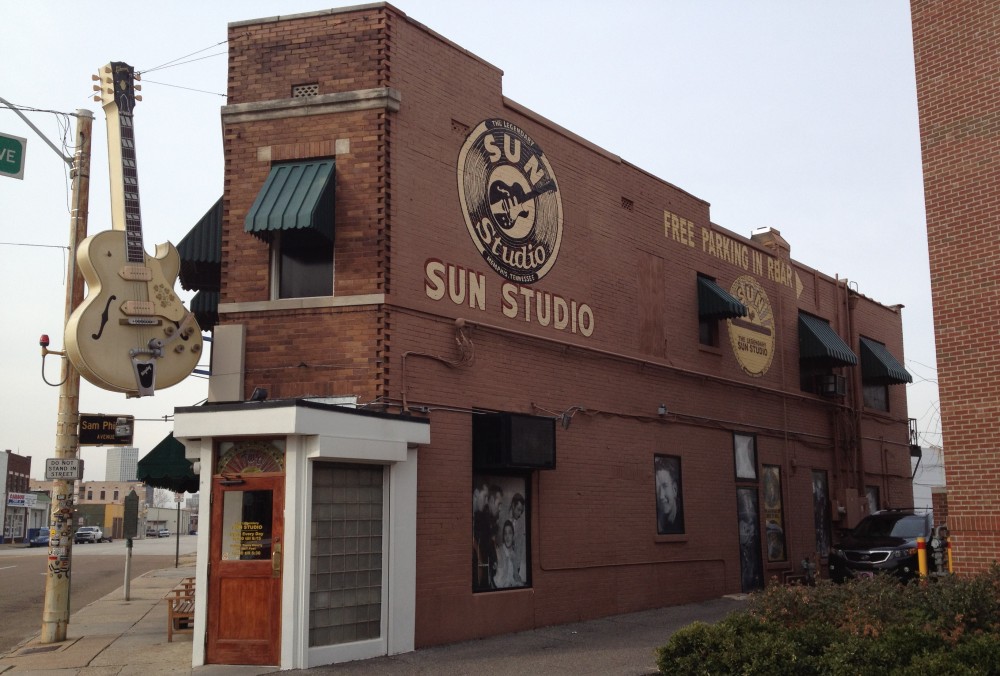



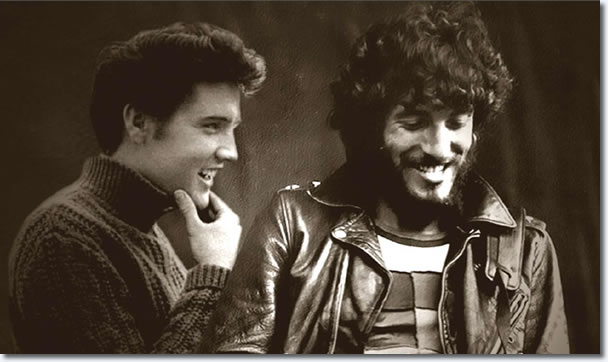


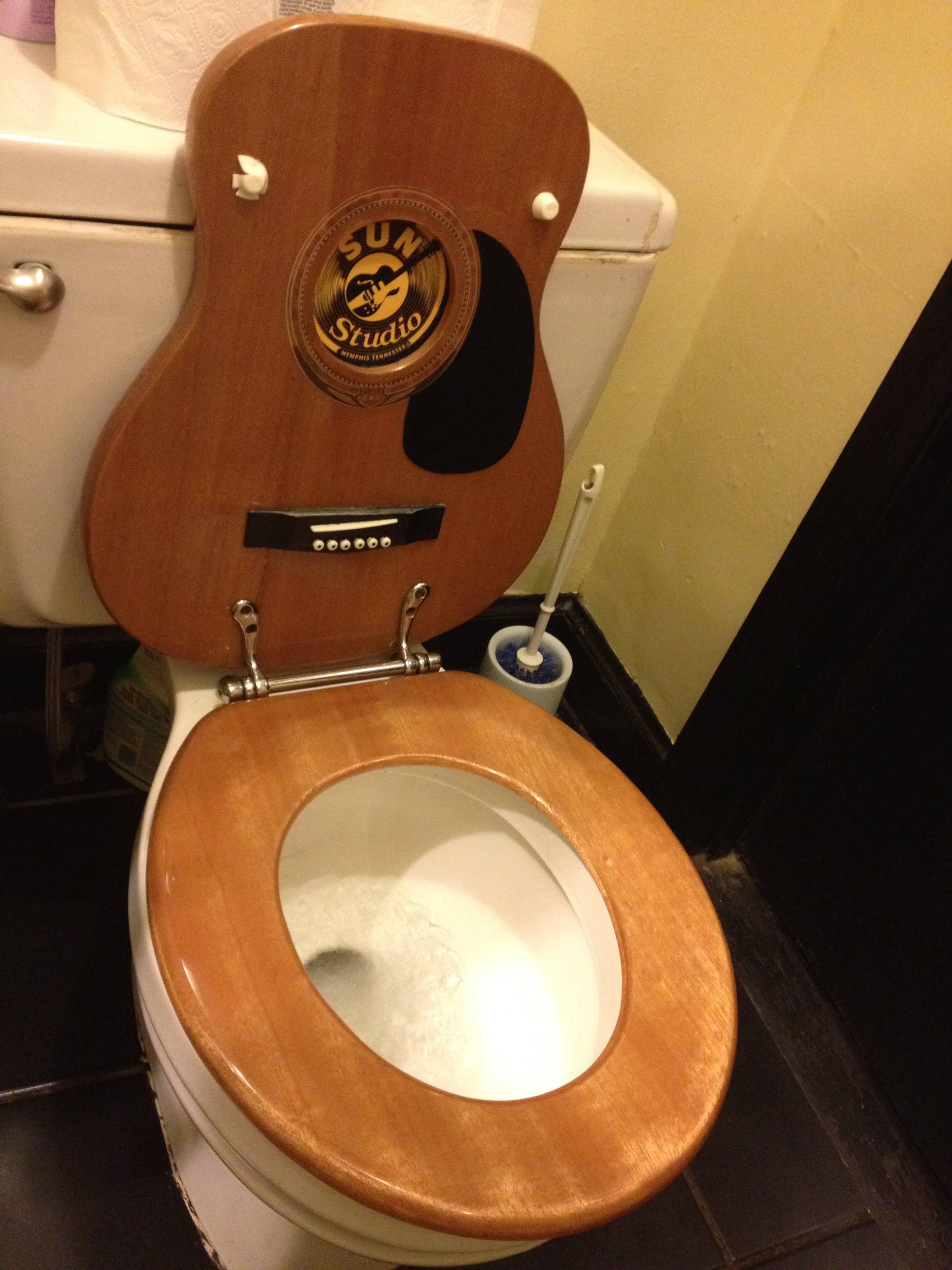

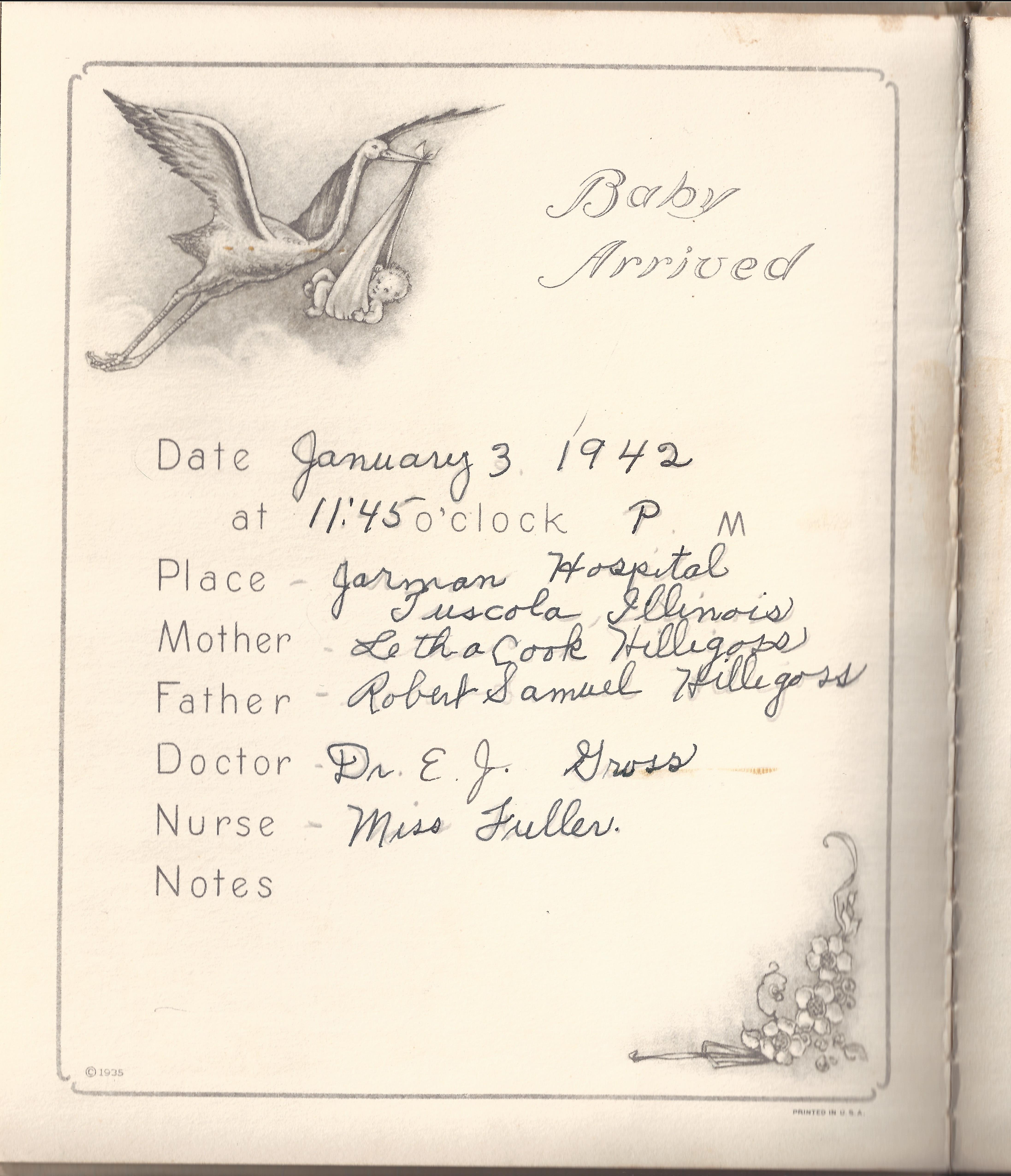

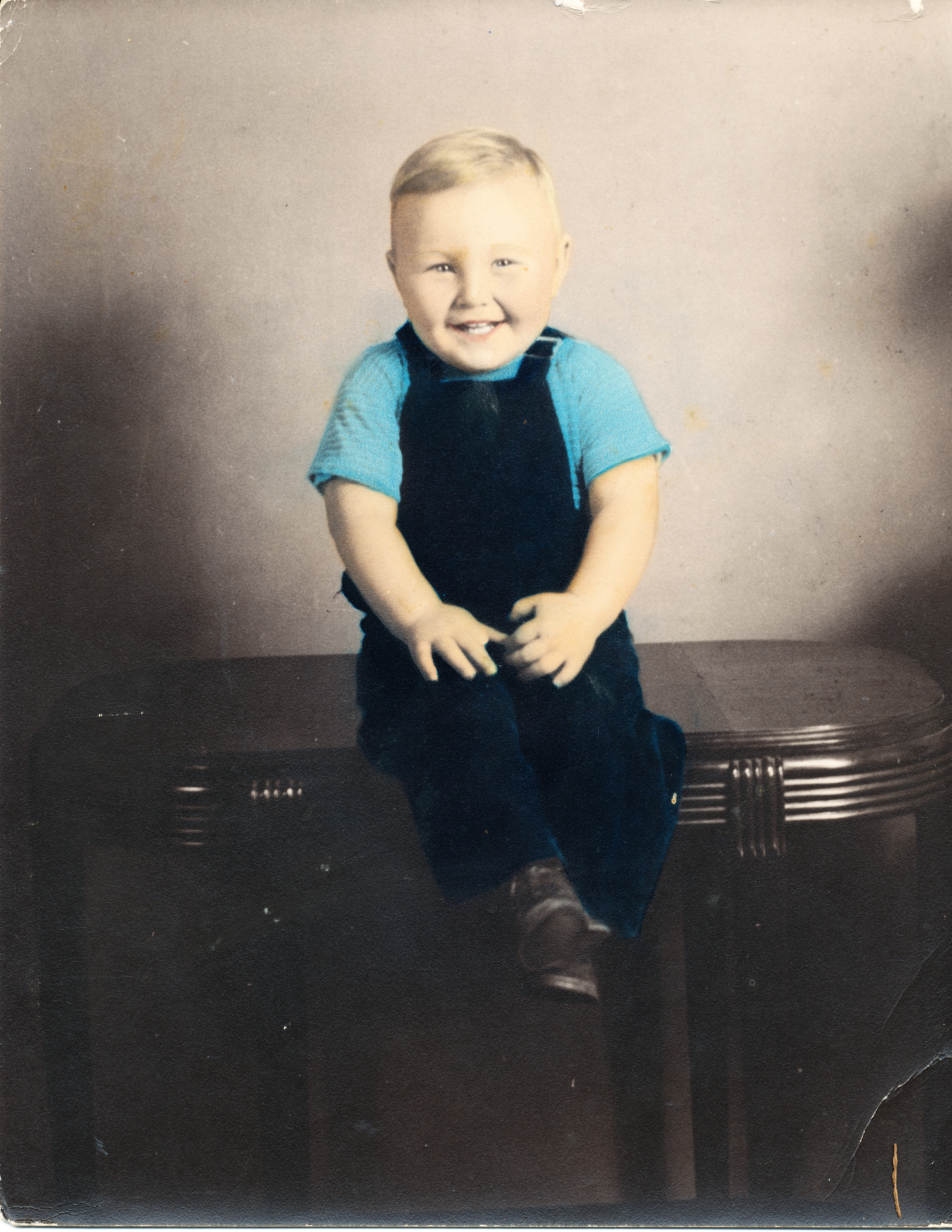

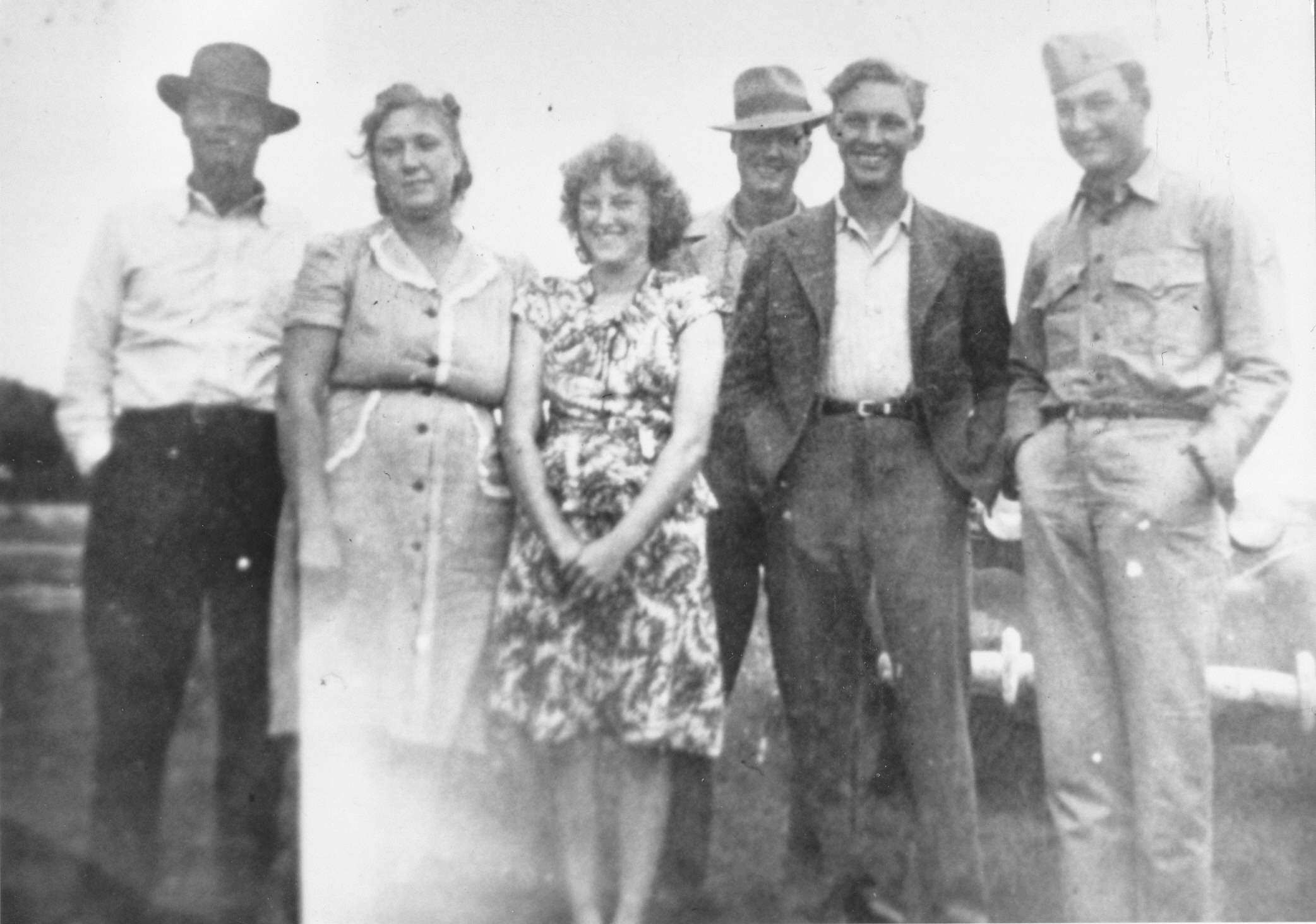

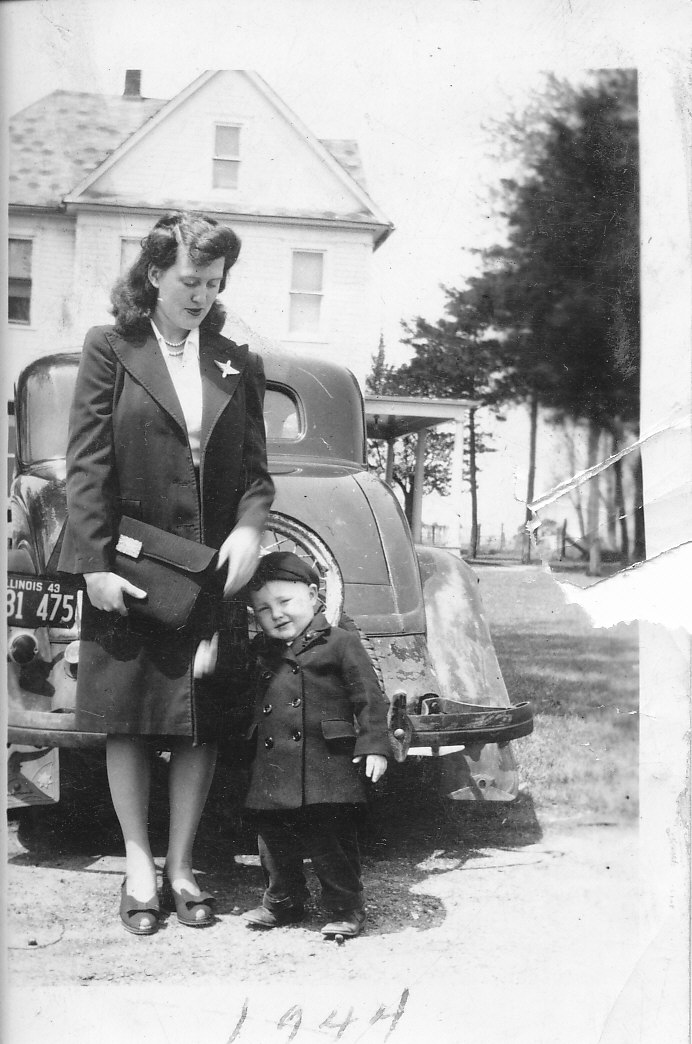
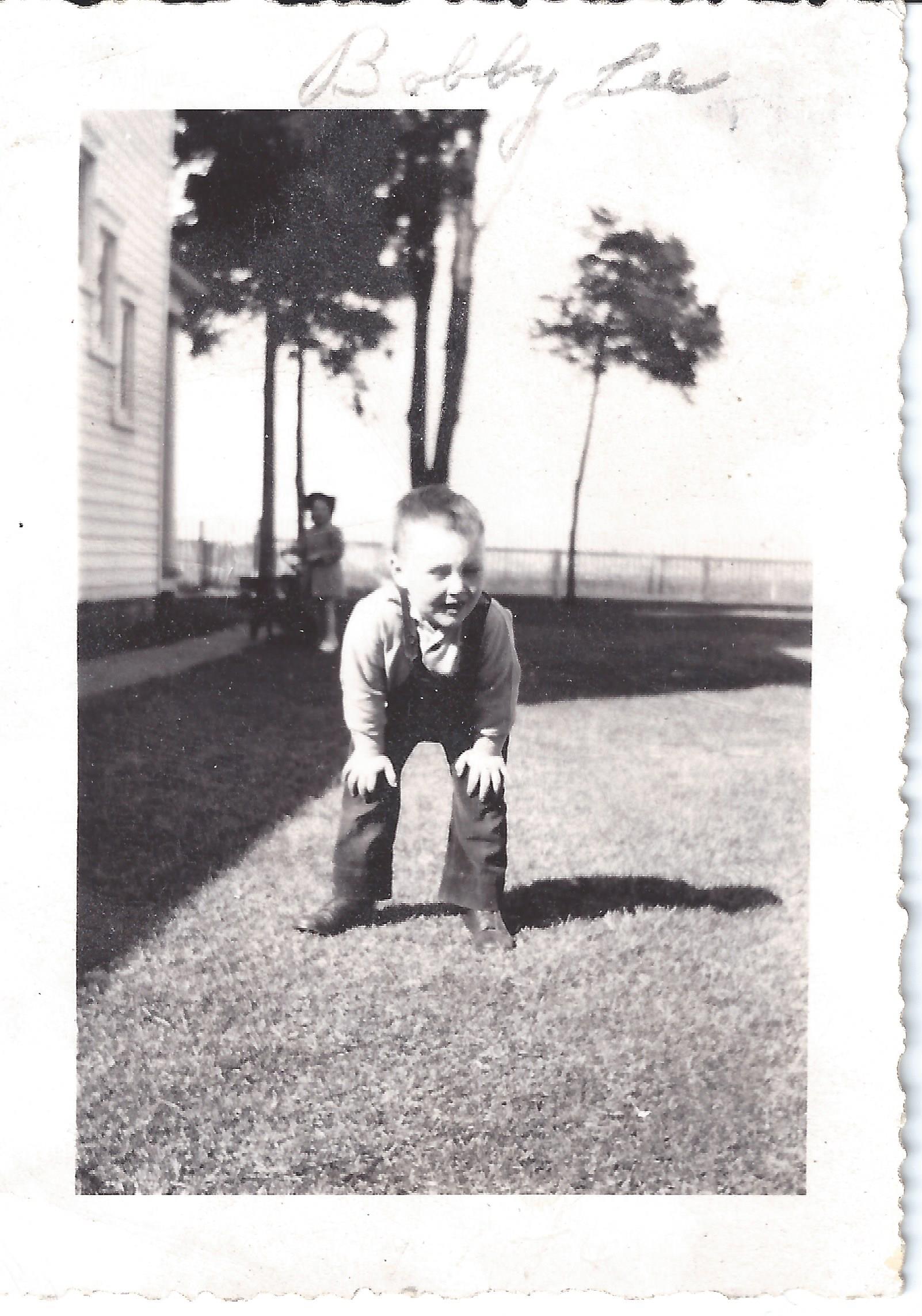
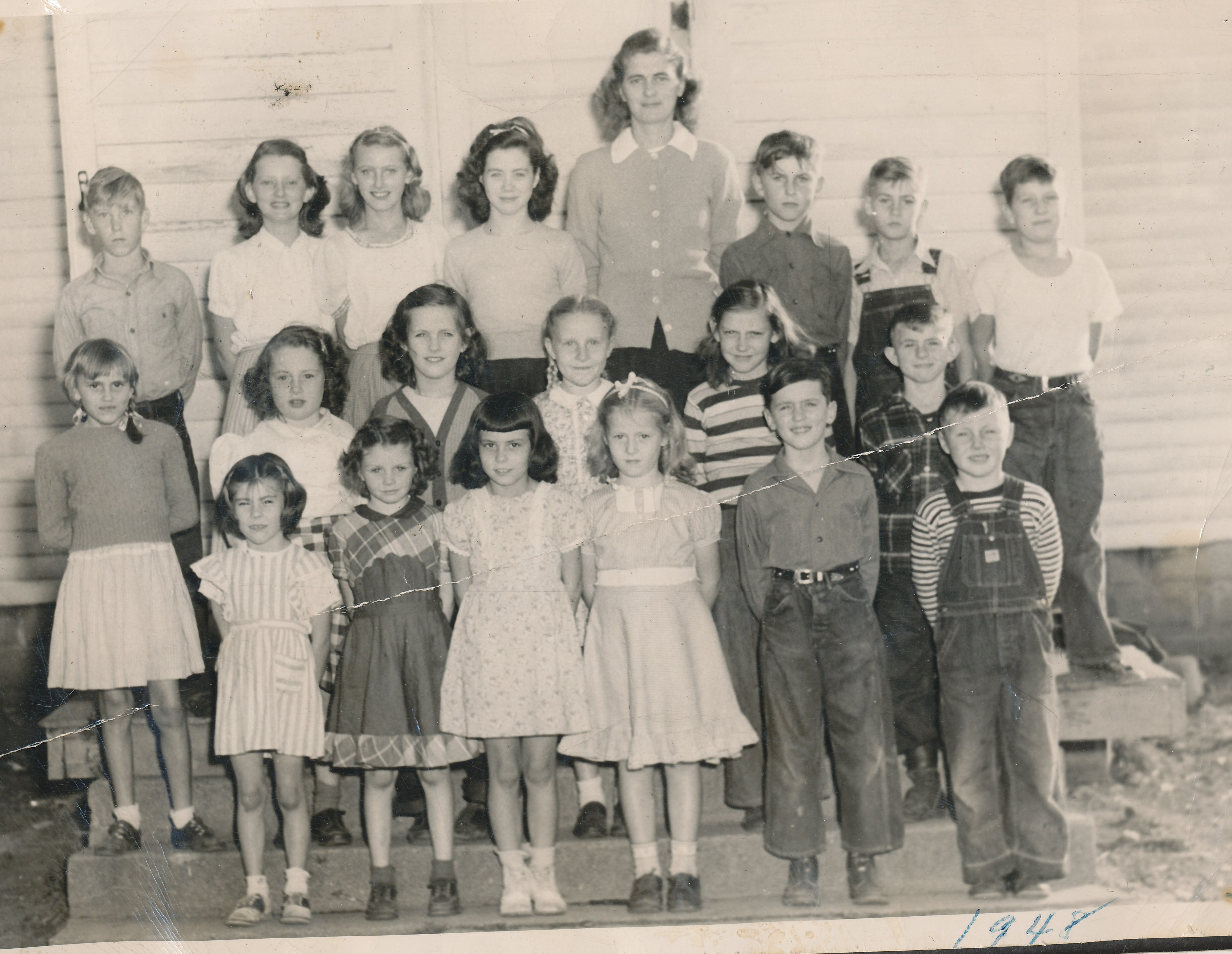


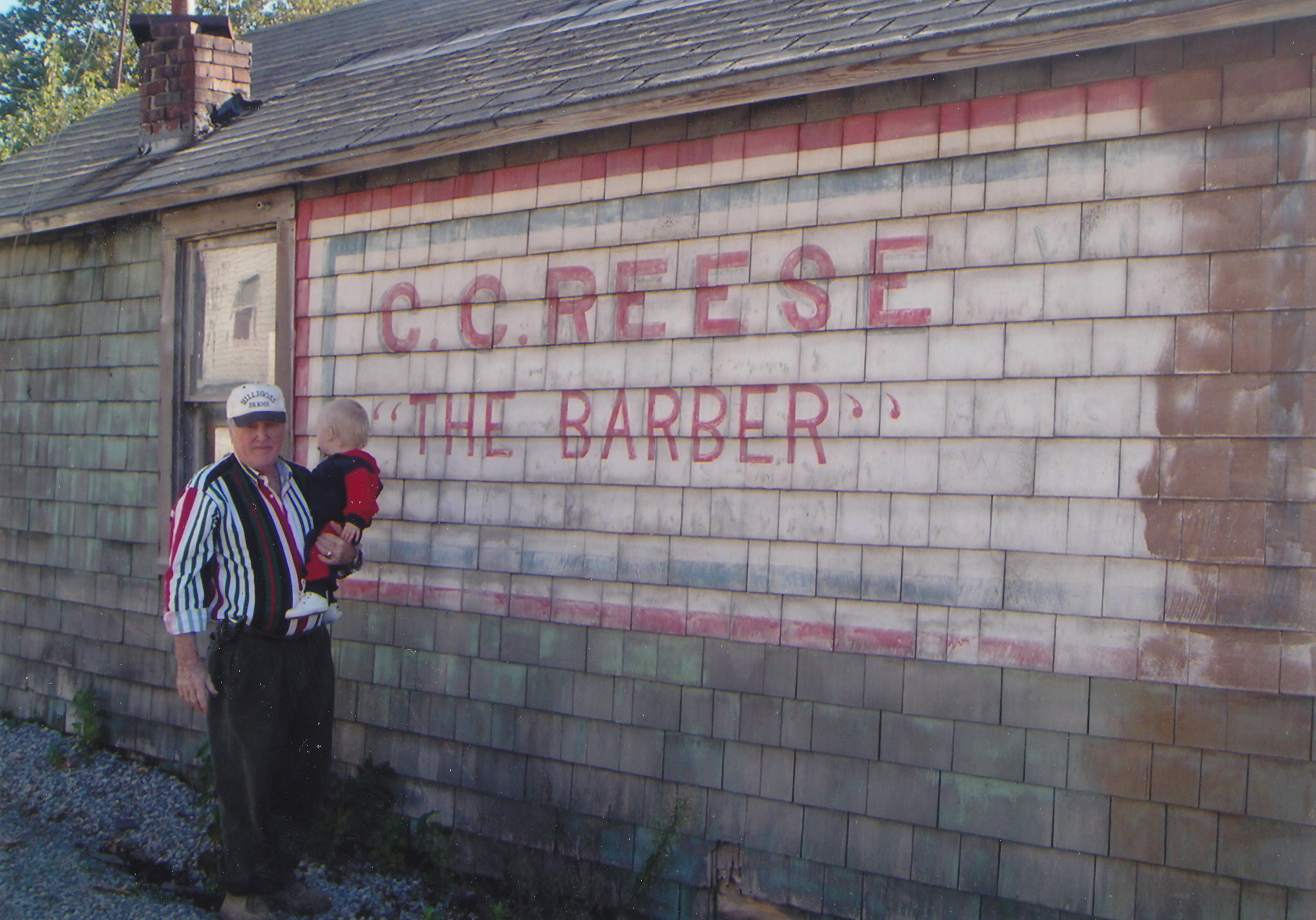


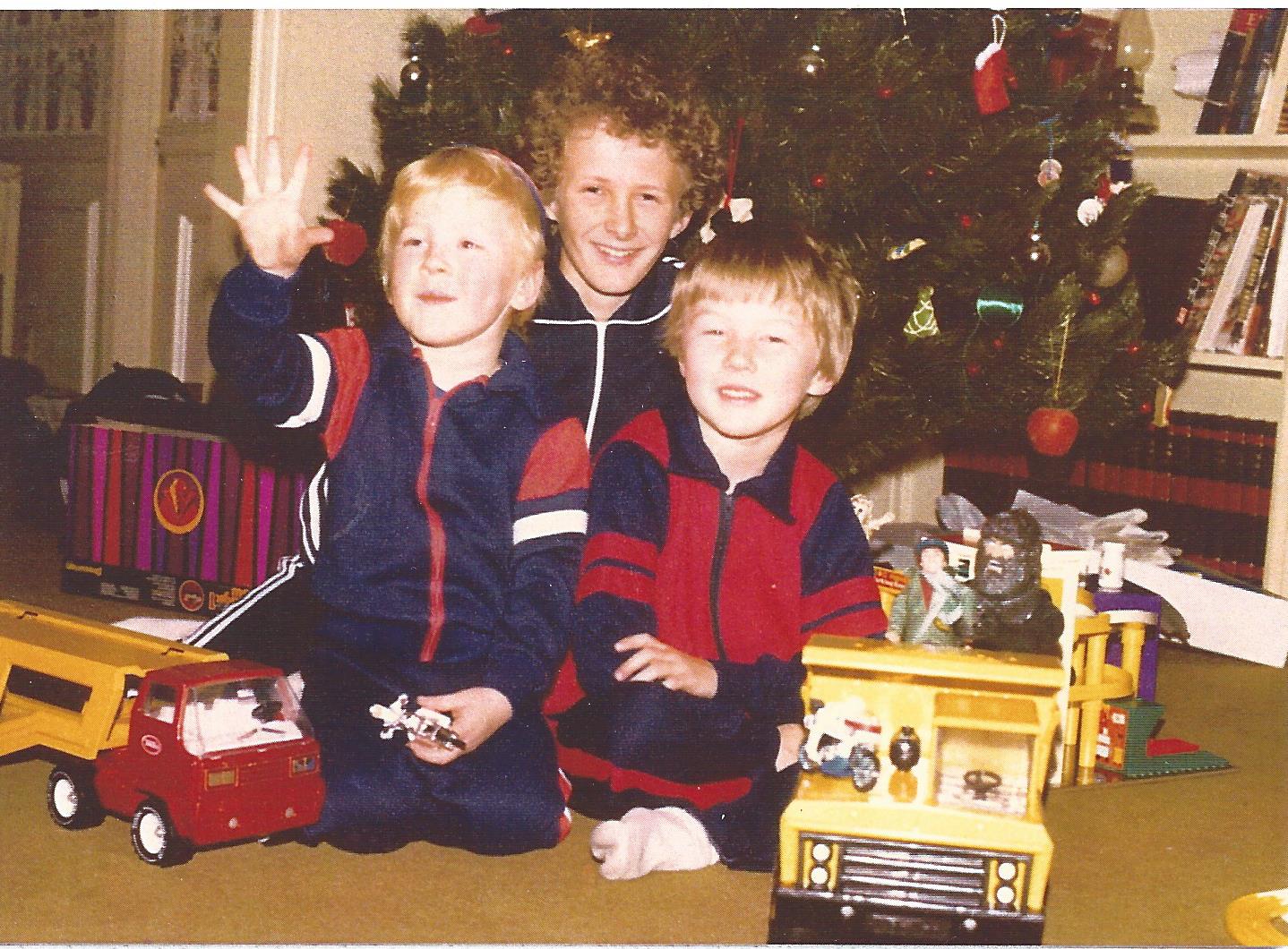
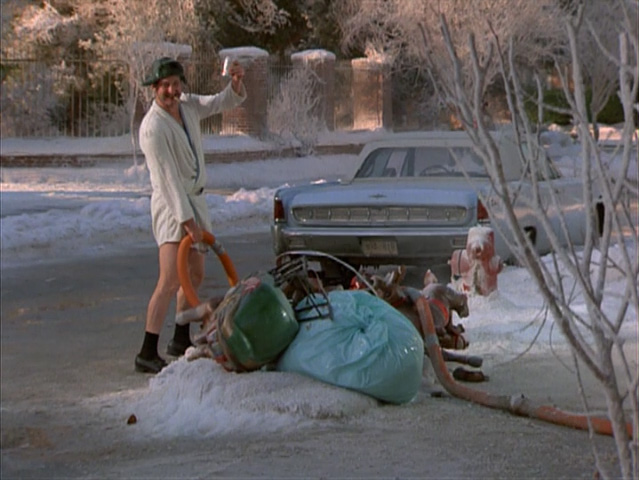

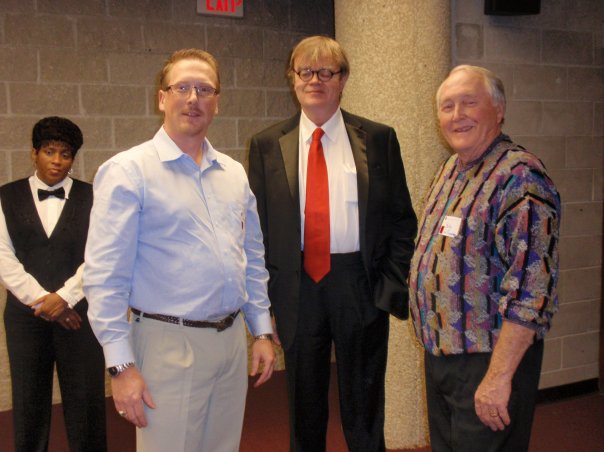
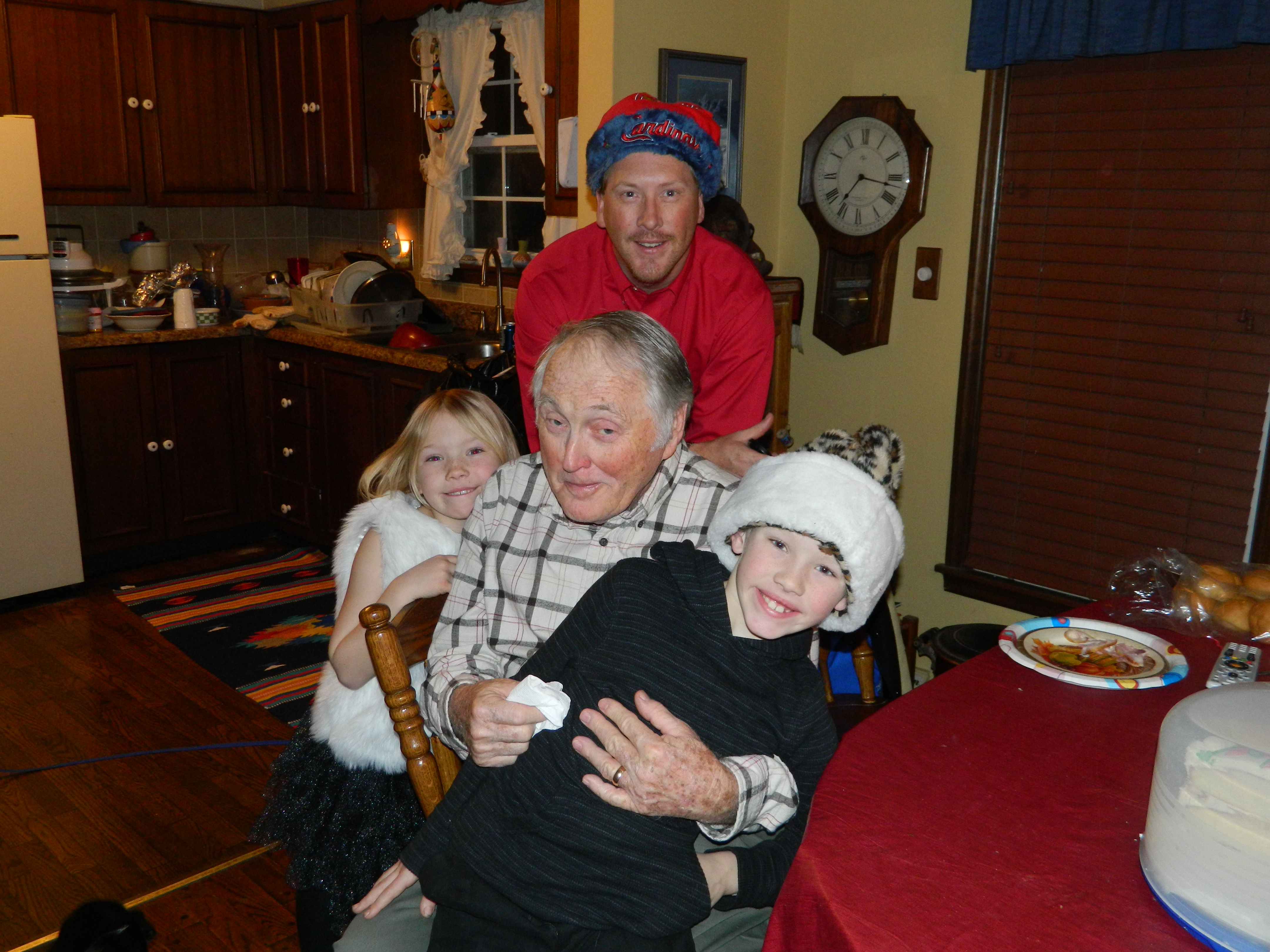
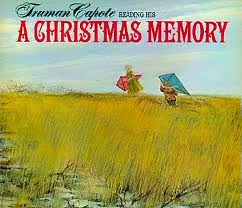


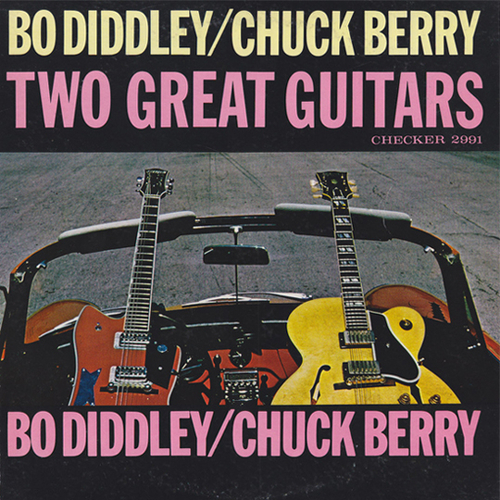








 unionavenue706