Mattoon High School class of 1960 group shot, Bob Hilligoss 60th birthday party, 2002, Godfrey, Il
“I can’t. I can’t go on. It goes so fast. We don’t have time to look at one another. I didn’t realize. So all that was going on and we never noticed. Take me back- up the hill- to my grave. But first: wait! One more look. Good-by, Good-by, world. Good-by, Grover’s Corners…Mama and Papa. Good-by to clocks ticking…and Mama’s sunflowers. And food and coffee. And new-ironed dresses and hot baths…and sleeping and waking up. Oh, earth, you’re too wonderful for anybody to realize you.” character of Emily Webb speaking in Thornton Wilder‘s Our Town.
By Ryan Hilligoss, May 18th, 2013
I have never been much of a social person due to my inherent shyness, personality and own faults. But throughout my life, I have been fortunate to be blessed with extended friends of my family. Friends of my brothers and father and mother have been my friends by default, more so than on my own merits. But I have been lucky to have gotten to know a lot of people over time through my parents including their own social circles, fellow teachers and ex students of my father and some of their high school friends. It is a testament to their generation that I have known so many decent, kind and generous people who went out of their way to treat me as an equal and to take the time and effort to get to know me. So my thoughts and concerns turn to the family of my father’s classmate Kenny Jones, Mattoon High School class of 1960, who passed away last week, preceded by his beautiful and kind wife, Leagene King Jones the prior year. Many of those classmates from 53 years ago maintain special friendships that have carried over the many years. I was reminded of Stephen Kings words at the end of Stand By Me, after the narrator’s childhood friend had been killed, when he wrote, “Some people come in and out of our lives like busboys in a restaurant. And even though I hadn’t seen Chris in ten years, I will miss him forever. I never had any friends later on like the ones I had when I was twelve. Jesus, does anyone?”
Out of the class of 1960, I have been fortunate to spend time and get to know a cast of characters and world-class personalities such as John David and Sarah Reed, Gene and Joan Clark, Hank and Luellen Weaver and Kenny and Leagene Jones, all fine people, each and every one. Kenny was a mountain of a man who had excelled at sports from a young age including basketball and football, and golf later in life. When someone I know passes away, I try to find a key moment in memory that I can use as a starting point to bring back other memories, and the one I have for Kenny is a snap shot of who he was a person in every way. I once read that someone’s character can be defined as their actions when no one else is watching. It’s easy to do the right things when other people are looking because that is what you are supposed to do in life based on social norms. But what people do in the quiet, personal moments are the true definition because it speaks to who they truly are.
Ryan Hilligoss and Kenny Jones, Robert Wadlow Golf Course, Alton, Illinois 2007
I was lucky enough to play a round of golf with Kenny, my father and another friend years ago at a golf outing at Rolling Hills golf course in Godfrey, Illinois. Kenny was a tremendous golfer who, with his tall, heavy, muscular frame, could hit a ball a country mile and do it with a smile on his face at the knowledge he had hit a perfect ball. Perfection is not something most of us come into contact on a regular basis, but Kenny was a perfect golfer that day and we enjoyed ourselves immensely with a lot of laughs throughout the day. And he was humble enough to give me kind words when I hit my prototypical bad shot on every hole and tell me to keep playing and not worry about it, saying things like, “You are ten times better than your dad. Look at him, he’s terrible.” All this was his way of deftly taking the pressure off of me and allowing me to just enjoy the day.
On the 8th hole, with just us three teammates watching, I witnessed a real athlete at work. I saw Kenny hit a perfect shot, the best one I have seen in person. We were about 30 yards off the green to the right. Playing in a best ball format, the three others of us hit our shots, badly I must say but par for us, as Kenny watched on to see how the ball bounced and rolled, with his hand resting on a club head in his bag. Being the best of the group, he was always the last to hit. And after watching us, Kenny calmly stepped up to his ball with a pitching wedge, took one small practice swing, lined up his feet and swung in a perfect arc. The ball landed softly on the green ten feet from the hole on a perfect line and rolled slowly to its destination and stopped at the bottom of the cup…clink clink. As the rest of us cheered in amazement, Kenny quietly smiled, shook his head, and said, “Well I guess that’s my one good shot for today.” Having heard stories all my life of Kenny’s various athletic achievements from his youth, I knew that he was just being humble and self-effacing as he had done this countless times in his life and that I had been lucky enough to see it and hold it in my memory.
As we go through life, people leave us and they, being singular, incredible people each and every one of them, cannot be replaced as much as we might try. So we remember their voices, their hands, their laugh, their stories and jokes and all of the memories and shared experiences over the years with fondness. We miss them but we take strength from their memory and rejoice. When the American folk singer and artist Woody Guthrie passed away after years of battling a terrible disease, his family had him cremated and spread his ashes in the ocean surrounding Coney Island which was one of Woody’s favorite places to swim and relax with his family and friends. The family all gathered on that day, spread his ashes to great wide sea, and then went to Nathan’s Hotdogs for lunch which was one of Woody’s favorite places to dine. When asked why, his wife simply stated that is what Woody would have done if he was there himself. I will carry a lot of memories of Kenny and Leagene with me throughout my life. And I will remember them as kind, decent people who did their best for their family and their friends and left the world a better place for having lived. I will remember Kenny as someone who enjoyed a simple game of golf and every time I play myself, I’ll think of him hitting that perfect chip shot. The perfect shot made in the calm and quiet of a beautiful day with only a few on hand to witness the moment. A microcosm of his life. Thank you Kenny Jones and Leagene Jones, god bless you.
Coda: Remember Me
Do not stand at my grave and weep, I am not there I do not sleep
I am a thousand winds that blow, I am the diamond’s glitter on snow
I am the sunlight on ripened grain, I am the gentle autumn’s rain
When you awake in the morning’s hush,
I am the soft uplifting rush, Of quiet birds in circled flight
Ryan Barr Hilligoss at Delnor Hospital, Geneva, Illinois, April 2013
By Ryan Hilligoss, May 4, 2013
“May you live everyday of your life.” George Eliot
Two weeks ago, I was rushed into the emergency room for life threatening surgery and came out on the other side unharmed and ready for battle. So, much like Walt Whitman, I too celebrate myself today and from here on out, I plan on sounding my barbaric yawp over the rooftops of the world and to live everyday of my life. OK, enough already I hear you say. It wasn’t that bad was it? No, it wasn’t and I may have exaggerated a teensy little bit. I wasn’t rushed to the emergency room for life threatening surgery. Rather, I was driven to the hospital by my lovely wife for a scheduled out-patient surgery for my sinuses. But to me it felt like life or death since in my previous appointment with my surgeon he advised that the risks of operation included death, loss of eyesight or even an eyeball all together, bleeding from the brain, etc etc. You know like little, happy things.
During the entire 45 minute drive to the hospital and on through the check in process and the changing of clothes into the dreaded reverse kimono and meetings with the surgeon and the anesthesiologist, I kept insisting to Kim that I wasn’t feeling well and should just cancel and reschedule for another time, much later in the future. This ploy received no sympathy from my masochistic spouse who would rather see me writhe in pain and dread than allow me the chance to live another day. I was a desperate man on that day and the hospital that day was “angry my friends.” My fears were confirmed by one of my nurses who told me most people don’t get concerned about surgery but the natural human instinct is to be fearful anytime death is possible, fight or flight. See…..I told you so. To say the least, the powerful and commanding Kim was unswayed. Much like the sensei of the Cobra Kai dojo from The Karate Kid, she showed no mercy. I wanted to flee and tried to get up from the cot I laid on even as I was tied down by tubes and lines of every kind and all she did was ‘sweep the leg.’ I even went so far as to act as though I did not know where my wallet was and asked to go check in my jacket that hung in the locker across the hallway. I hadn’t so much as swung my left leg over the side of gurney when she was back by my side, looking down at me with pity in her eyes and a shake of her head. I felt like Ralph Macchio laying on the tournament floor clasping my hands around my wounded knee.
During the surgery, the weather was raging outside, in the midst of one of the worst springs we have seen, and the main power went out and the backup generators kicked in as planned and there were no hitches. But knowing that I was insistent that I was going to die, and knowing that she was the one who refused to let me leave, Kim spent much of that time feeling incredible guilty and worried that some major catastrophe would occur while I laid on the operating table. For obvious reasons, I would not have known any better, but boy wouldn’t she have felt bad if something bad had happened to me?? While my soul was bouncing across the universe, Kim would have been forever forced to introduce herself as the one who had marched her husband to an early grave. She should be forever thankful to Thomas Edison and Commonwealth Edison Power for modern technology and the electricity grid.
Much to my chagrin, the surgery went well, very well compared to some of the horror stories I have heard from friends who had similar surgeries done. Much of this can be explained by my suregoen and ENT doctor Arkadiush Byskosh, MD. B Dog as he likes to be known, OK actually not, I just made that up, is the finest, most caring and professional doctor I have had the experience of meeting in all my years including doctors of my children, spouse, parents, etc. They should cast a bronze model of him to use for all others in the profession as well as taking video of his office nurses in action as they epitomize the proper techniques of medical staff. God bless you Dr. Byskosh. No packing of the sinus cavities for me or major complications. After only two weeks, I feel about 85% healthy and can already tell my breathing is better which will lead to better living and sleep once everything is fully healed.
In the big scheme of things, my surgery was nothing and I am just having a throw, as some people around the globe might say, at my own expense and how ridiculous my mind can be sometimes. Everyday, people all over the world have physical conditions and ailments that keep them from fully enjoying life. Millions of people struggle for food, shelter and clean water on a daily basis and people are killed every second of every day for one reason or another, so I have no reason to complain and have every reason to be grateful for having a good life surrounded my a loving wife, two great kids, father, mother, brothers, uncles, aunts, cousins and caring friends.
Louis CK has a new HBO comedy special entitled, Oh My God, in which he talks about how good we have it here on Earth and how we don’t even recognize it most of the time. He points out that for trillions of miles around us in every direction in space, life sucks to the point where your eyeballs are sucked from your head. But here on Earth, we have water and food and people. And we get to eat bacon and cheese, we get to have friends, and we get to have sex and we get to enjoy an innumerable amount of small things in life that we often times miss because we are busy whining about our lives and feeling sorry for ourselves. Yes, life throughout the universe is non-existent, so I am excited to once again ‘celebrate myself’ and the life I have and to enjoy it everyday and to sound my mighty yawp, like a sweaty toothed mad man, across the rooftops of the world. YAWP…YAWP…YAWP!!!!!!!
It’s All About Me, Bruce Springsteen at work basking in the glow of his mindless minions
By Ryan Hilligoss, April 1, 2013
“If love is truly going out of fashion forever, which I do not believe, then along with our nurtured indifference to each other will be an even more contemptuous indifference to each others’ objects of reverence. I thought it was Iggy Stooge, you thought it was Joni Mitchell or whoever else seemed to speak for your own private, entirely circumscribed situation’s many pains and few ecstasies. We will continue to fragment in this manner, because solipsism holds all the cards at present; it is a king whose domain engulfs even Elvis’. But I can guarantee you one thing: we will never again agree on anything as we agreed on Elvis. So I won’t bother saying good-bye to his corpse. I will say good-bye to you.” Lester Bangs, Village Voice, August 29, 1977
Elvis has been dead for 35 years now and Lester Bangs, legendary rock critic and visionary, nailed it on the head. When he wrote those words, most listeners heard music in one of a few ways: recorded music on albums or 8 tracks played in the living room, radio, television, or in a live music setting. Hit the fast forward button on the ol’ cassette deck, and here we are living in Lester’s shadow as each of us, mostly alone, listen to whatever music we like, whenever and however through more devices than I can list including Sirius/XM, iTunes, ipods, ipads, computers, or, egads, even CDs amongst ones I have never even heard of. While we witness the fragmentation of listeners and popular music into far-ranging musicians in every style and sub genre possible, the crux of Bangs’ theory reigns true as not only do we not listen to a lot of the same music, but often times we feel a need to tear down other people at a personal level and their tastes as some sort of twisted rationalization of our own choices. And that is why I am choosing this time to break camp and cleanse myself of a passion that has gripped me for some time. Yes, today I say goodbye to what I once thought of as the ‘power and glory’ of the music of Bruce Springsteen.
Ryan Hilligoss, bedroom at Godfrey, Il 1984
I was ten years old in 1984 when my older, much cooler brother took me to my first rock and roll concert, Springsteen on the Born In The USA arena tour. This was before the album and tour turned into a woolly mammoth of shameless cult of personality. My memories are vague, but I was hooked from the start as I was juiced by the pounding music and delirious fans around me. As a kid, I must have thought, “Well if these people are going nuts like this, this guy must be doing something right.” As the years rolled by I purchased each album and went to one concert on each tour as it rolled through St.Louis. But I did not become a fanatic until 2008 when I saw Springsteen and the E Street Band on the Magic Tour play a now legendary show on a ‘hot august night’ in the Arch City. Since then, I have spent countless hours and days reading about Springsteen and his music, going to concerts, listening to his music, talking to friends about it and even writing about my obsession. In my quest to read about all things Springsteen, I recently stumbled across an enlightening, world view changing column written by phillymag.com writer Victor Fiorello in which he lists all the reasons he hates Bruce Springsteen and his music, fans and earring. I have now seen the light, and I have cast off the chains of totalitarianism and will start anew. Here are my reasons why.
#10 He’s been playing music for 47 years…. enough already
With a career that started at the age of 15 when he joined the Castilles, a local Jersey shore band named after bars of soap, and has stretched through 17 studio albums and ‘live’ and box sets, thousands of concerts, and millions of fans, it’s time to hang up those tired ass rock and roll shoes, or working boots in his case. Go play some boardwalk bingo or take a drive across the country in a rented RV like most people your age!
Springsteen driving a Chevy Bel Aire
#9 The man cannot draw an audience of hisown
Seems like at most concerts, Springsteen has to drag some poor schlub like Brian Fallon from Gaslight Anthem, Eddie Vedder, Mike Ness, or an oldie like Paul McCartney out on stage just to prop up his own tired act. Jesus, at the age of 62, can’t you make it through a 3 hour show on your own? Sheesh!!
#8 He loves Canadians, what else is there to say, eh?
Springsteen and Neil Young
In the picture above, Springsteen is shown rehearsing with inveterate Canadian Neil Young during the 2004 Vote For Change tour. Springsteen once performed Glory Days on the David Letterman Show along with The World’s Most Dangerous Band which is fronted by Canadian Paul Shaffer. And Springsteen recently performed a cover version of Canadian rocker Bryan Adams Cuts Like a Knife during a fundraiser. Why all the concern with Canada’s impact on Springsteen? One word: socialized medicine. It’s a slippery slope from Canada’s national healthcare system to the gulags of Soviet prison camps, and one I don’t care to tread or be led down by any musician, no matter the greatness of his stage presence. Plus Canada has produced the light weight comedy of John Candy, Eugene Levy and Dan Akroyd. Doesn’t that speak for itself? And if you are still confused, just remember that in Canada, they call ham bacon. Take off eh?
#7 The ‘Mighty’ Max Weinberg….the man who brings the power night after night
Back in 1975 when original E Street drummer Vinnie ‘Mad Dog’ Lopez was asked to leave the band and temporary fill in Ernest ‘Boom’ Carter left with David Sancious to form their own band, Springsteen famously put an ad in the Village Voice for a new drummer. According to legend, Springsteen spent countless hours over weeks and months auditioning hundreds of drummers. And Weinberg was the best he could do? Jesus H Christ, wasn’t someone like Ginger Baker available? As evidenced in the video above, Weinberg has difficulty keeping the most basic beat and his ‘skills’ can be described as sophomoric at best. I’ve had broken clocks keep better time than this guy. It’s too bad a better drummer couldn’t be used or else the E Street Band might carry the label as one of the most powerful, legendary, booty shaking bands in rock and roll history.
#6 He married his backup singer
Springsteen onstage with wife Patti Scialfa
Not much to say here except, if he was going to get hitched to someone in the band, couldn’t it have been someone ‘we the fans’ prefer like Steven Van Zandt or Roy Bittan? I mean Springsteen and Bittan seem to have been destined for each other musically as with a few tinkles of the piano from Roy, fans all over the world know what song is coming. Springsteen has been known to say that when they are in the recording studio, he tries to get the band members to work up their own parts before Roy gets started as he has an uncanny ability to know what musical direction Springsteen wants to go in. They seem to have a ‘marriage of the minds’, so why not just be married and cut down on the commute time?
#5 Politics in the Promised Land
New Jersey Governor Chris Christie at a Springsteen concert
Springsteen has long been in a love affair with conservative politicians and has lent his talents or songs to campaigns including Ronald Reagan, George W Bush and most recently Rick Santorum. Governor Christie has famously been to over 411 Springsteen concerts over the years and the pair often hold council after concerts to trade stories and policy ideas. For an artist who long ago did a fundraiser for George McGovern and often sided with the left, his views have turned for the worse, and I am sick of hearing about it.
#4 The Voice
Springsteen strains every vocal cord and neck muscle while in concert
OK, we get it. Springsteen’s voice can best be described as a cross between car tires over a gravel road and dogs howling down on main street. Springsteen has made a career trying to pass himself off as a pseudo blue-eyed soul brother with his “power and soul” effects like James Brown, Solomon Burke and Wilson Picket. But I hate to break it to him, but unlike Steve Martin’s character in The Jerk, he was not born a poor black child in the south. He was born to relatively well to do parents in Cherry Hill, NJ, far from the beaches he pretends to love. While singing in a style straight from gospel and soul music, he wants us to shut our eyes to the fact that he is as white as Mitch McConell. Today’s listeners want something more authentic: autotuned singers like Ke$ha. You’re white Springsteen, get over it and sing in the patrician, blue blood manner you come from.
#3 He loves communists, I told you so
I told you in #8 that socialism is a slippery slope. You start out with Candians and their soul crushing tyranny, and then slowly over time, you wind up sleeping with communists deep in the heart of the Kremlin. In his final political transformation, Springsteen has been cast under the spell of known communist agent Tom Morello, recently added to the E Street Band in place of longtime cohort Steven Van Zandt who has been exiled by the politboro to the cold and snow of Norway. Morello has made a career of hypnotizing millions of fans around the world who came to see either Rage Against The Machine or Audioslave and brainwashing them with Marxist dialectics, and now he is doing it to ‘The Boss.’ Springsteen long has been known to end his concerts with the phrase, “We’ll be seeing you up the road.” But for concerts recently played in Australia on the Wrecking Ball tour, Springsteen has now been sending his minions home with the old communist standby, “Workers of the world unite, all you have to lose are your chains.”
#2 Unlike most celebrities, he can’t give a decent speech
How many times have you watched the Grammy or Oscar awards and been blown away by the eloquence and verbal profundity of award winners who speak on the beauty of art, the state of world peace and pressing social issues? This is obviously rhetorical as it happens every year, much to my amazement. Meanwhile, given the opportunity, Springsteen fumbles through the English language more than George W Bush and Gerald Ford combined if they were conjoined twins coming out of sedation. Earlier this year, he gave a speech at the Musicares award ceremony that was a horrific train wreck that left audience members stone faced and confused. I read a transcript of it and haven’t seen that much crap on a single piece of paper since the last Sheryl Crow album. In 2012, Springsteen was given the opportunity to present the keynote address at the South By Southwest Music festival in Austin, Tx. While he had every opportunity to give an amazing seminar on modern music starting with its roots and sources, pay homage to all of his influences including Elvis Presley, James Brown and Bob Dylan, salute Woody Guthrie’s 100th birthday and pinpoint very specific inspirations he had over his career such as The Animals, in the end he did none of that. Instead, he chose to bore the crowd into tears with talk on his new pet projects involving Nintendocore and black death metal music. When presented with an opportunity to speak, Springsteen could rely on his well-known bank of ghost writers, but instead he chooses to display his ignorance and self promotion. What an ass hat!!
#1 Born In TheUSA…Thanks for ruining a perfectly good war, dude
Yes, I know, I know. Many think this is his most iconic song of his long, illustrious career, but it’s his most misunderstood song and let me tell you of the song’s real meaning. In one sense, the Vietnam War ended in 1975 when the last of the helicopters lifted off the embassy building in Saigon, but in many ways, it has never ended. After the troops came home, they were greeted as liberators and welcomed back into society as the heroes they were. Their stories were told and sung by hundreds of authors and artists. Then Springsteen came along and tried to ride on the coattails of all that had come before him. What the country could have used at the time was an artist willing to take hard look at the rough treatment that some of the veterans received and the difficult lives they led. Instead what we got from the “poet of New Jersey” was a rose-colored fairy tale backed by Bittan’s heavy synthesizer and Weinberg’s militaristic crescendo of drums that became an anthem of blind support for political and military leaders. Springsteen’s USA is at the heart of darkness of this Land of Hope and Dreams we call home. (For anyone who wants a crystal clear understanding of the song and its’ meaning, please read George Will’s riveting account of his one Springsteen concert experience.)
Well, that’s all I have for now and hope many of you agree with me and are willing to stop being ‘blinded by the light’ of an obviously flawed American artist. While we may not listen to each other’s music, let us unite in our repulsion to the music of Bruce Springsteen. All we have to lose are our chains. And as we cast off our chains to Bruce, I will say goodbye to you.
Springsteen yelling at his fans for not liking him enough
Honorable mentions: The above were my top 10 reasons I vomit a little in my mouth when thinking of Springsteen and his bandanas and work shirts, but I could have easily come up with 10 or 20 more without even thinking about it and maybe you readers can help me. Below are the ones I anguished over and had to leave off for purposes of this post as I will publish another list when Springsteen comes through town later this year in the hopes of juicing my readership:
– The live show: Yeah, yeah. He comes out on stage with the house lights down where nothing exists and then counts down one, two, three and….. presto….. magic happens as over the next 3-4 hours, he gives everything he can of himself in every which way including vocally, musically, lyrically, stage presence, crowd interactions, bonding with everyone until he is left in a state of dripping wet, spent exhaustion. How cliché.
– The fans– They are loud, stupid and obnoxious Coors Light swilling grunts. I spend my time being a cool hipster hanging out with my hipster friends. If I wanted to be amongst the unwashed masses, I would go visit them at the unemployment line.
–He won’t leave us alone: Can’t we have a national tragedy without this guy showing up to hog the spotlight while acting like he is trying to help out the best way he knows?? Just in the last 12 years, he has appeared on every televised fundraiser including 9/11, the Haiti earthquake, and the 12/12/12 concert for Hurricane Sandy. Hey Bruce, just watch the show on television at home like the rest of us and send a nice check, eh?
“Elvis fell apart with grief when Gladys died. He fondled and petted her in the casket. He talked baby talk to her until she was in the ground. It seems fairly certain that Glady’s death caused a fundamental shift at the center of the King’s world view. She’d been his anchor, his sense of security. He began to withdraw from the real world, to enter the stage of his own dying.” White Noise, Don DeLillio
In 2011, The Airborne Toxic Event released their second album, All At Once, and the title track serves as a microcosm of the band’s sound, fervor, lyrical content and musical purpose. Standing as a musical metaphor for life, the song begins quietly with an uptempo guitar click clacking away like a clock passing time with keyboards lightly undercutting lead vocalist Mikel Jollett singing:
We were born without time/Nameless in the arms Of a mother, a father, and God When the world would wait for us/A thousand years in the crush Of our eyes, fearless, in awe/So quietly we’d fade into sleep With nothing on our mind
And then, just as in the struggle of life he describes, the song takes off with a galloping, pounding drum beat and bass line, the music moving along rapidly propelling us along just as in life, ‘wishing for more time’ but just wasting our opportunities. In the third verse as the waters rise around us the rhythm builds and builds as the drummer smashes the cymbals over and over, Jollett sings:
We get old all at once/And it comes like a punch In the gut, in the back, in the face/When it seems someone cried And our parents have died Then we hold onto each other in their place Yeah, I feel the world changin’ all at once/ I guess it’ll be OK
With the final verse, the tempo and levels slow and grow smaller as ‘we all hope that someone was looking down as we return our bodies to the ground.’ It started soft and quiet just as in childhood before we understand the concepts of time and mortality, goes crashing through the bulk of the song in a mad dash to the quiet end. Jollett as lyricist and the band seem to have a deft, great feel for the fears that we all have but most people and musicians refuse to address or even acknowledge.
The band has released a four song EP, Timeless, as a precursor to the April 16 release of their third album, Such Hot Blood. The four tracks released will be included in the full album and include The Secret, Timeless, The Storm and Safe and play as an epic take on the same themes that have run through all of their work; topics of life,the passing of time, love lost and found, and the pain, wonder and puzzlement that is human existence. The band consists of Jollett on guitar and vocals, Steven Chen on lead guitar, Noah Harmon on bass, Darren Taylor on drums and Anna Bulbrook on viola and vocals. They often also use orchestration of some level to add strings and backing heft. The overall sound is that of a 21st century Phil Spectoresque ‘wall of sound’ with Jollett’s vocals reminding me somewhat of a plaintive Adam Duritz of Counting Crows but with more soul and muscle ala Bruce Springsteen.
The Airborne Toxic Event
Springsteen’s influence can be heard in the big, full sound that fills in the spaces when needed but often packs a rock hard punch, and that is no coincidence. In a recent Rolling Stone interview by Steve Baltin, Jollett says he watched recent documentaries on the making of Springsteen’s classic and learned some necessary lessons on artistry. Born To Run andDarkness on the Edge of Townalbums. (The movies Wings For Wheels and The Promise, respectively, are both fine films made by Thom Zimny and well worth the investment in time and attention for those interested in the process of artistic production, whether you are a fan of Springsteen or not). Jollett says, “I asked myself, ‘What would Bruce Springsteen do?’ If you want to do something that’s important, you can’t fake it. I remember thinking, ‘You can do a lot more: you can learn to play piano for real, you can learn to sing for real, you can take what you know about songwriting and forget it and then remember it. You can learn other forms, you can rewrite your lyrics 20 times so they’re exactly right. So yeah, it was a choice to try and grow and to push to grow.”
The band takes their name from the above quoted novel, White Noise, which focuses on college professor Jack Gladney, teacher of Hitler studies at a small liberal arts school, and his family. Jack and wife Babette live their lives with a soul crushing fear of death with such force that Babette prostitutes herself with a drug manufacturer rep to obtain a test drug called Dylar in the hopes to treat her fear. The book is split into three acts, the second of which is The Airborne Toxic Event in which an industrial accident unleashes a black chemical cloud that floats over their city and forces Jack and Babette to confront their fears. Jack describes the cloud as ‘ a towering black mass like a shapeless growing thing, a dark breathing thing of smoke.’
That black mass forms again with the EP’s four songs and may possibly form the “four corners” of the full album once it’s released. The four corners represent the sequence of songs used with vinyl LPs and would have been the first and last songs of each album side. In many cases, the four corners of the album formed the foundation of the artist’s and the album’s musical, lyrical and meaning in content. This EP starts with The Secret, with siren-like keyboard sending out a warning or distress signal with Bulbrook’s viola adding a counter measure with a driving bass line underneath as Jollett sings:
The sound of the engine/The feel of the tires
Your hands on the rail/The smell from the tires
Streetlights and headlights on a road that goes nowhere
She left you she left you/But you know she’s still out there
And somehow it always seems/Like you were waiting for something
But the secret’s out now
The secret may be out now in the song, but I am still trying to decipher what that secret is: who was driving that car that left the narrator behind, where are the fires and what is burning, where did she go, what is the something he’s been waiting for and what is the secret?
In Timeless, the narrative continues as the same “she” disappears into the darkness and the spurned lover can still feel her spirit in the room. The narrator wonders ‘what is this whole in my heart that I cannot abide.’ Jollett sings:
I wish that our lives are just endless/’Cause it’s all too short and I’m leaving soon
I want to hold onto all the people I lost/I want to keep them with me/ We would never part
We are timeless/We are, we are timeless, timeless/Everything we have, oh my god
I feel like I could live forever with you, my love
It’s like their lives were over/Before they had even begun
Like many of their songs, the tempos, levels and sound arrangements perfectly match the lyrics and vocals and build the narrative and meaning of the songs. On this one, it starts with a mellow sound but builds throughout the song and goes into a funky bridge with heavy guitar chords backed by matching orchestration that works well as the drums crash and fade out.
In The Storm, the missing lover comes back in the door after 25 days, or 25 weeks, or 25 months and announces they are here to stay and the worst of the storm is over. The actual amount of time is unclear because the road opens before the narrator and goes on forever so the concept of time doesn’t really exist and speaks to the heart of many of their songs. The final track of the EP, Safe, is replete with Springsteenesque influences, and I was left with the feeling that this is an updated, 21st century version of Thunder Road as it opens with a Roy Bittan like piano line, tinkling away as Bulbrook’ viola sways lightly in the background. I imagine Springsteen’s Mary on the front porch as the screen door slams and the driver asks her to get into the car but advises that the ride, it ain’t free.
It was early for summer/All the people and the music from the bar
You in your grey dress/Your arm on the window/You said what’s the difference
Just say it to me, just say it to me
Let’s not make it a thing, it’ll be ok babe
The tempo speeds up quickly with the viola rapidly calling out as a siren, the drums ticking away the time just like Al Jackson’s drums on Otis Redding’s Try A Little Tenderness, and the guitar and bass clashing together as the drama builds and the two lovers decide if they will take that ride together. Then Bulbrook begins singing in a haunting, ghostly fashion, “Do you really want to hear it, did you really think this was real?” Jollett sings back that they can’t slow down now since it’s not safe for travel. Finally, they get to an unknown location and arise from the car and “she” leaves her bag in the backseat and he sees that as a sign of love and confirmation of his hopes. Act four of the drama has come to an end, but questions abound for characters and listeners alike.
In The Promised Land, one of Springsteen’s penultimate songs that encapsulates much of his career’s intent, his character faces down the storm of life as he watches ‘a black cloud rising from the desert floor and packs his bag and heads straight into the storm.’ Airborne Toxic Event faces that storm of life and death with each album and each song with pride, strength and determination, and I highly anticipate the release of the completed album so I can hear them do it again with ‘Such Hot Blood.’
Selected videography and notes
More than coincidence: Airborne Toxic Event’s debut album, self titled and released in 2009, contains a bonus track entitled The Girls In Their Summer Dresses which is very close in title to Springsteen’s Girls In Their Summer Clothes released on Magic in 2007.
Like a lot of other music and bands that have become my favorites over time, I stumbled upon The Mavericks by happy accident. While driving around in 1999, I happened upon a review on NPR of a new tribute album coming out of country-alt-rock legend Gram Parsons entitled Return of the Grievous Angel which included covers from The Pretenders with Emmy Lou Harris, Gillian Welch, Wilco, Lucinda Williams, Steve Earle and The Mavericks, among others. I was stunned to hear The Mavericks bring The Flying Burrito Brothers song, Hot Burrito #1 to full, alt-country life with a blend of a steady rock drum beat, steel pedal guitar and the soaring vocals of lead singer Raul Malo. For my money there are a few singers in modern American music that have been pure, smooth and powerful such as Elvis Presley, Roy Orbison, Jackie Wilson, Trisha Yearwood, and you can add Raul Malo’s name to that impressive list. If you have any doubt, just listen to the below clips of him singing a fine cover version of Etta James’ At Last, Johnny Cash’s I Still Miss Someone, or one of my favorite Springsteen covers, All That Heaven Will Allow. (Malo can also be seen singing I Told You So with Scotty Moore on guitar and DJ Fontana on drums by clicking this link.)
The Mavericks released their first album in 1991 during the height of the ‘Garth Brooks’ country sound and blazed their way through six albums with a fine amalgamation of sounds ranging from country, old school rock and roll, mariachi horns and accordion, up tempo rock, Latin based rhythms and everything in between. The band broke up in 2003 but is back in style with their new release In Time. If you have ever wondered what Buck Owens and The Buckaroos would sound like backed by the surf rock group The Ventures playing guitar behind a ska beat, here it is in all it’s glory.
The lineup includes Malo, Paul Deakin on drums, Robert Reynolds on bass, Eddie Perez on guitar and Jerry Dale McFadden on accordion, organ, piano and arrangements, with various others helping out on strings, horns and additional percussion. All thirteen songs are original works written by Malo with some help from writing partners. The thirteen songs are drenched in Latin beats, showing their Miami roots as always, like samba and bossa nova, and include two versions of Come Unto Me, in Beatlesesque fashion, one sung in English and one in Spanish over the same backing tracks. The band rips through the entire album like they hadn’t been apart all these years, and they don’t miss a beat or leave a stone unturned.
Appropriately, the album begins with the ska beat opener of Back In Your Arms Again with the lyrics: Once I said I’d never want your love again/You showed up tonight and proved me wrong/ Things I said I’d never do since you and I were through/But here I am back in your arms again. It’s true they have been gone for a while, but now they’re back in their listeners and fans wide open arms. Next up is Lies with a powerful ,rolling, tempo and full on Duane Eddy guitar sound supplied by Perez, and at the end, Malo asking the band to keep rolling as he repeats the last line ‘I believe in all your lies’ three times like he is just happy to be back in the studio with the band and doesn’t want the good times to end.
Come Unto Me is a funky mashup of styles of Ventures guitar sounds, calypso beat, and fluttering accordion threading through the love struck lyrics. Throughout the album, this listener hears influences abound that have fueled their bands highly distinct style throughout their career. Orbison’s Blue Bayou beat can be heard behind In Another’s Arms, a quick tempo runs through Fall Apart with Marty Robbins horns, All Over Again is a testament to the power and glory of Buck Owen’s Bakersfield sound, Forgive Me is drenched in Patsy Cline vocal stylings, and Stevie Ray Vaughn’s guitar work can be heard in the start to Dance In The Moonlight before the song takes off into an infectious samba beat. Through the entire album, Malo’s voice is as pure, powerful and sultry as ever. The man could sing the alphabet, Russian folk songs or David Foster Wallace’s 1,000 page Infinite Jest from start to finish and I would hang on every word and syllable.
But the highlights for me are That’s Not My Name and As Long As There’s Loving Tonight. In the former, Malo seems to be having playful fun with the Ting Tings song from 2008 when he sings: Lonely, Mr. Lonely/That’s what they’ll call me/That’s not my name. In Loving Tonight, it opens with a piano lead straight from Elvis Presley’s All Shook Up and rolls into a boogie woogie, up tempo number that could have been recorded at RCA’s Nashville studios in the 1950s replete with Chet Atkins playing a ‘galloping guitar’, Boots Randolph on the yakkety sax and the Jordanaires supplying the backing oohs and ahhs as Malo complains of his lover: ‘She’s always getting her way/With little or nothing to say/When I know she’s wrong, that’s alright/ As long as there’s loving tonight’. As Dewey Phillips used to say on Memphis radio, “That’ll get it man, that’ll flat get it.”
But, this is not simply a matter of a cover band paying homage to their influences worn on their sleeves. Like true artists, the band and singer are able to pay tribute to those who came before while finding their own voices and own styles, and The Mavericks create their own sound in buckets and spades. Go out and get this album, and tell em’ Phillips sent ya’.
Coda
And if someday, you just have one of those days and need to get away for a few minutes, take a listen to the superlative Dream River from The Mavericks album, Trampoline. Close your eyes, listen and float away down the Dream River. ‘Don’t wake because I don’t mind.’
Caribou Coffee cup high atop ‘Mount Dekalb’ with Dekalb, Illinois Caribou location in background
By Ryan Hilligoss, February 24, 2013
In James McMurtry‘s song Charlemagne’s Home Town, he writes of one character, “I measure out my life in coffee grounds.” Coffee lovers around the world can attest to the truth of that declaration. But for me, over the last roughly ten years, I have measured out my life in cups of Caribou coffee. More specifically, the Caribou Coffee in Dekalb, Illinois. Whatever I needed to get through the day: one in the morning, one in the afternoon and maybe one at night. Ok, maybe that is a stretch, but I frequented the location several times a week, mainly for the coffee but also because of the friendliness of the staff. But, that all came to an end on Sunday February 23, 2013 when the location closed their doors to business for the final time. Egads, my nervous system and kidneys, riding a caffeine induced adrenaline rush, may see this as a good thing, but my heart, mind and memory do not.
Thanks everyone for many years of wonderful. Counter sign at Caribou
Caribou Coffee was my first introduction to decent, tasteful coffee. I grew up in the southwestern part of Illinois, in what many call the metro east area of St.Louis. I grew up watching my dad and grandparents drink coffee on a daily basis, but I never touched it until I was eighteen and working as an intern for the Illinois Department of Education in Springfield. After suffering through countless, mind numbing meetings in which I fought to keep my eyelids open, I had my first cup, straight from the steaming pot in the corner of a drab, soul crushing state government office. From there I progressed to much more sophisticated sources to fuel my desire, high falutin’ places like Moto Mart, QuickTrip and McDonalds. To the uninitiated sap I was, it tasted like coffee straight from the Kona Coast of Hawaii. Little did I know.
Fast forward a few years when I had moved to the Chicago area, and lo and behold, I came across actual coffee houses which appeared on almost every street corner in some places and had more to offer than a smoking, stale glass pot of warmed over motor oil derivative. These places actually had full menus of every kind of coffee based drinks you could ever imagine. Cappucino, lattes and teas abounded with flavored shots, soy milk, and decaf instead of regular. Wow!!!! For a country boy from the land of corn fields, I felt I had stumbled into coffee paradise.
I first came to the Dekalb Caribou location in 2003 after my in-laws had moved to the area from Geneva. After driving around town a little to see what the area had to offer, my coffee nose steered me to the inviting location at 2385 Sycamore Road. The warm interior decor of cabin-like wood floors and walls and the glowing fireplace next to the comfy couches called to me like Greek Sirens of old. After moving to the area with my wife and kids in 2006, Caribou became my safe haven from the noisy outside world where I could enjoy a coffee and do some reading without small children jumping on my back and cracking two or three ribs. Caribou also became my home away from home and my second office. Since I work virtually, meaning I do not have to be in a physical office for most of the time, I could work from home but found it distracting and unproductive for me most of the time. Working from my second office seemed to focus my attention more, at least for a few hours until the guilt of hogging seating and wi-fi got to my conscience and I left for a body shop or tow yard. The Dekalb Caribou was a place I took my kids, Graham and Rory, often times to get them out of the house for a while to allow mom some much-needed quiet time and rest. I also often took my son there to sit quietly and do some reading, he reading his first chapter books and assignments from school, me reading my beloved newspapers or magazines. He and I each reading alone, but together at the same time and sharing thoughts and funny paragraphs together.
Graham and Rory Hilligoss, February 23, 2013, Dekalb, Il
In today’s America, we are inundated with choices of every kind regarding restaurants, bars, houses, neighborhoods, tooth brushes of every color and shape, manual or battery operated, doctors, television and music channels, and on and on ad nauseam. Given the amount of options we have at our disposal, it is quite telling to notice the places we choose to spend our time and where we spend our money. Customers who frequent a specific business location typically do it for a reason: ease of parking or drive-thru, location, service, product, value, etc. Caribou earned my loyalty due to the high quality of their product, menu selections, seating comfort, wi-fi access, but more importantly, they earned my loyalty due to the high level of service and friendliness of the staff. Many of their staff managers and employees have moved onto other locations which belies the quality of their employees. And some of their faces and names have slipped my somewhat aging mind, but the ones I know and saw on a frequent basis are ones I can call friends of mine because they weren’t just doing their jobs of providing coffee and I wasn’t just a nameless schlub who came in the door. They knew my name and they knew my kids names and they asked about my job and my family; they took an interest in me as a person, not just as a customer, and they placed value on knowing their clientele and treating them with respect and appreciation. So thank you to Jackie, Laura, Jared, Jenny, Xavier, Clayton, Andrew, Mathew, Celine, Marissa, and a lot of others. To paraphrase a Bob Dylan song he wrote for his hero Woody Guthrie, “Here’s to the hearts and the hands of the men and women I have known from Caribou, that come with the dust and are gone with the wind.”
The ‘Bou Crew. Photo courtesy of Jared Moore
Another Bob Dylan song I have been thinking of a lot this week once I heard the news of the store’s closing is It’s All Over Now, Baby Blue. Recorded in 1965 and released on his classic album, Bringing It All Back Home, it can be interpreted many ways, but one is that it was his kiss off to his prior self and his folk music fans who booed him when he played electric instruments for the first time at the Newport Folk Festival. Up until that time, Dylan had only played acoustic guitar along with his harmonica and played mostly folk music and protest songs, in the vein of Woody Guthrie. Dylan chose the Newport Festival to announce to the world that he was moving on to a new style of music and playing. The fans did not like the news and Dylan did not appreciate the response and chose to play It’s All Over Now, Baby Blue as his last acoustic performance that day, and the lyrics tell the tale of his rebirth:
You must leave now, take what you need, you think will last But whatever you wish to keep, you better grab it fast
Leave your stepping stones behind, something calls for you Forget the dead you’ve left, they will not follow you Strike another match, go start anew And it’s all over now, Baby Blue
My first stop into Caribou was ten years ago and since then a lot of changes have come and gone in my personal life, in the country and around the world. Family members have passed away, friends and coworkers have moved on to other jobs and other lives, and we have two kids now who are now eight and six years old. Nothing stays the same forever and people, places and things come and go ‘like the ticking of the clock on the wall.’ But in the end, what remains are the moments of kindness and decency displayed over time, and I was fortunate to experience many as a customer of my favorite coffee-house. As Caribou’s motto says, Life is short, stay awake for it. God bless you staff of the Dekalb Caribou Coffee.
Very Humble Beginnings: From Small Things Mama, Big Things One Day Come
The Alpha and the Omega. Little E in overalls and EP aviator shades
“A dreamer is one who can only find his way by moonlight, and his punishment is that he sees the dawn before the rest of the world.”Oscar Wilde
Old Saltillo Road, Tupelo, Ms. Painting in Presley Birthplace and Museum
“All my life, I’ve always had a pretty nice time. We didn’t have any money or nothing, but we always managed. We never had any luxuries but we never went hungry.” Elvis Presley, 1956 when asked if he had a happy time as a kid.
‘Leavin’ Tupelo With a Guitar In His Hand, With a One Way Ticket To The Promised Land’
Statue of Elvis Presley, age 13. Elvis Presley birthplace site and museum, Tupelo, Ms
In the 1930’s, Tupelo, Mississippi was a small, bustling manufacturing and commerce trading center in the northern part of the state which drew people from the countryside with the promise of a better life. Two of those people were Vernon Presley and Gladys Smith. While they had hoped that by working in Tupelo they would earn a decent living, they quickly learned a decent life could hang in the balance by a few dollars. The couple met in early 1933, dated for a short time and then eloped in June of that year. With very little money between them, Vernon had to borrow the $3 to obtain their marriage license. Learning that Gladys was pregnant in 1934, Vernon borrowed $180 to buy the needed materials to build a small home for his wife and newborn. The couple built their humble home in East Tupelo on Old Saltillo Road, considered by many locals to be “the other side of the tracks.”
Elvis Presley Birthplace, Tupelo, Ms
In the early morning of January 8th, 1935, Gladys Presley gave birth to a still-born son whom they had named Jessie Garon. While Vernon sent off for the local doctor, the presiding midwife determined there was another baby still to come, another boy, and his parents named him Elvis Aron(Presley later had his middle name changed to the proper biblical spelling of Aaron.) Both parents were distraught over the death of the first-born, but felt something special had occurred with the birth of Elvis. According to biographer Pat Broeske in the incredible documentary, Elvis: Return To Tupelo, “On that morning, Vernon stated when he watched the sun come up that day, he saw a blue streak in the sky. And Gladys swore she saw rings around the moon and believed something special would come of her son and told Elvis this time and again when he was a boy.” After years of reading about Elvis, his life and music, I and my good friends Shawn Poole and Dawn Leinberger, traveled to Tupelo and saw the small house from which big things one day came.
Vernon and Gladys Presley’s bedroom/family room
The Elvis Presley Birthplace and Museum consists of the home, the Assembly of God Church the Presleys attended at the time, the Elvis Presley Memorial Chapel, and a museum among other items. The house itself measures roughly 15 feet wide by 30 feet long, without the front porch included, and has only two rooms consisting of a bedroom/family room and a kitchen/dining room. The house now rests in the same location it did in 1935, while the other surrounding houses were demolished over time. Just like many similar houses of the time, it is referred to as a shotgun shack because of the fact that the front and rear doors are directly in line with each other and with such a short distance between the two, it is said you could open the front door, shoot a shotgun through the house and out the back door before the shot spread enough to damage the insides of the home.
Kitchen and dining room
Bedroom and family room
Guy Harris, a boyhood friend of Elvis’, states, “Vernon worked at a wholesale grocery warehouse and Gladys worked as a seamstress at the Tupelo Garment Co and each earned $2.50 a week for a 40 hour week.” Vernon and Gladys both struggled to maintain steady employment given the fact they were living through the Great Depression. Broeske states, “Gladys worked in a laundry, factory and picked cotton. Gladys took Elvis with her into the cotton fields which was normal at the time and pulled him along on her cotton sack. So, at an early age, little Elvis heard the field songs of the other workers, some blues, some gospel and some African, and absorbed it into his musical DNA.”
The Walk of Life, Elvis Presley Birthplace, Tupelo, Ms
Outside the house is a concrete circle called the Walk of Life which contains granite blocks denoting key events that took place during Elvis life in Tupelo from 1935 until the family left in 1948 and are listed below verbatim:
– 1935- Birth of Elvis Aron and death of Jessie Garon
-1936- Family and house survive the great Tupelo tornado
-1937- Family began attending the First Assembly of God Church
-1938- Family receives commodities while Vernon was in prison
-1939- Home and car repossessed, Vernon released from prison
-1940- Family listened to the Grand Ole Opry on the radio powered by car battery
-1941- Elvis entered first grade at East Tupelo consolidated school
-1942- Family spent a lot of time apart due to Vernon’s work
-1943- Family reported income of $1,232.88 and paid $12.56 income tax
-1944- Elvis began singing “Specials” in church
-1945- Elvis sang Old Shep at the Mississippi-Alabama Fair and Dairy Show
-1946- Elvis received a guitar for his 11th birthday
-1947- Elvis began listening to black gospel music
-1948- Family moved to Memphis seeking a better living
Elvis with Vernon and Gladys Presley, 1937
1938 brought heartache to the little Presley family, and according to many, caused mother and son to form an unusually tight bond that may have led to many events of the future. In that year, Vernon Presley and two friends sold a hog to Orville Beane, Vernon and Gladys’ landlord. Beane gave a check to the three men in the amount of $4 which he thought was a fair price. Feeling cheated, the three men decided to change the check to $40. Beane found out, had the men prosecuted for forgery and all were sentenced to three years of prison at the infamous Parchman state penitentiary. The governor of Mississippi described it at the time as a very efficient, well-run slave plantation. Almost every weekend, Gladys and three-year old Elvis would ride the bus for 5 hours to visit Vernon on his day off.
According to their neighbors at the time, Elvis took on an almost paternalistic role and called Gladys little baby and would say, “Does my little baby need anything?”, despite the fact he himself was only three at the time. Due to Vernon’s absence, Gladys couldn’t keep up with the house payments and Orville Beane repossessed the house and their car, forcing the family to move many times during their stay in Tupelo. Gladys worked tirelessly writing petitions and obtaining signatures from neighbors and eventually the governor pardoned Vernon in early 1939. During WWII, Vernon traveled to Memphis to work in a munitions factory while Gladys and Elvis stayed behind in the Shakerag section of Tupelo, one of two historic black districts.
I’m Gonna Lay Down My Burden, Down By The Riverside
Assembly of God Church, Tupelo, Ms
Assembly of God Church placard, Elvis Presley Birthplace, Tupelo, Ms
A short walk from the house, sits the first church Elvis and his family attended, the Assembly of God Church. Originally situated one block away, the building itself has been moved several times and even was converted into a two bedroom residence for a time before being moved to its current location. According to one of the guides, the family who owned it was very reluctant to lose ownership of it but eventually donated it to the site for historical purposes. The Assembly of God Church was founded in 1914 in Hot Springs, Arkansas by white ministers in the African-American Pentecostal church. Based on the Jewish holiday of Pentecost, members and ministers believed in “Baptism in the Holy Spirit.” During services, members were often moved by ‘the spirit’ to sing, dance and sometimes talk in tongues. Brother Frank Smith, the minster at the time, had a guiding hand in the development of Elvis Presley’s musical career by first allowing him to sing with the choir starting at age four and then teaching him the basic guitar chords of G, C, and D as well as how to play Old Shep.
Assembly of God Church, interior view, Tupelo, Ms
The inside is very simplistic with six rows, two pews per row. It probably sat 50-60 comfortably during services. At the front is a basic altar with a bench in front for the choir to rest and a piano in the corner. Seeing the house itself was humbling enough, but to sit in the church that the Presley family attended and in which little Elvis Presley first began to develop his musical skills was altogether a different experience that raised goosebumps on my skin due to the efforts of the museum staff. Every 30 minutes, you can view a filmed recreation of a typical 1940s era service that was in the building itself. As you sit in the pews, with a screen in front of you and screens on either side, you feel like you have been transported back in time and are sitting amongst the congregation as you watch Brother Frank Smith testify, sing and preach in front of you with members to either side. During the service, Brother Frank, played ironically enough by an actor named Memphis Jones, breaks into song several times and brings up young Elvis to sing. Having listened to Presley recordings for much of my life and having heard him sing gospel songs time after time, it was a moving, cosmic spiritual event. Like peeking through a keyhole in time, you can see young Elvis sing along on gospel songs like Just A Little Talk With Jesus, On The Jericho Road, I, John and most movingly, Down By The Riverside, songs that he would sing thousands of times over with friends, family and musicians, songs that formed the core of who he was.
Assembly of God Church, interior shot of altar and piano, Tupelo, Ms
It was also there in Tupelo that Elvis was exposed to and absorbed the musical styles that would soon form the basis of rock and roll. He heard the blues while living in the black Shakerag section of town. He snuck over to house parties on Saturday night and watched African-Americans sing and dance to rhythm and blues. He and the family listened to the Grand Ole Opry on the battery operated radio every Saturday night. And, while living in a mixed neighborhood on Green Street, Elvis befriended Sam Bell, an African-American. Speaking in the documentary, Bell says “There wasn’t no black and white thing doing, it was just us boys being boys.” As a boy, Elvis would go with Sam to tent revivals at the black Sanctified church in town. “He wouldn’t stay out of there, he’d be singing all the time. They welcomed him in and once the invitation was extended, he’d get right in the middle of everything. Man, we thought he was fanatical ’cause he liked to go so much. He’d say man, we got to get down to the sanctified church.” Finally, according Gordon Stoker, member of Elvis’s long time backing vocal group The Jordanaires, “Elvis loved black singers and thought God had made a mistake when he was born. He’d say ‘The Lord messed up on me twice. He didn’t make me black and he didn’t make me a bass singer.”
Tupelo Hardware Co: The Jump Start of Rock and Roll
Tupelo Hardware Co, Tupelo, Ms. Photo by Shawn Poole
For Elvis’ 11th birthday, Elvis and Gladys went to the Tupelo Hardware Co to buy a birthday present using money he had earned running errands for his family and neighbors. Being a young, country boy, Elvis had his heart set on a rifle. According to store employee and Presley raconteur Howard Hite, young Elvis and his mom walked through the front door of the store, strode by the rack of bikes and walked up to the display case with his eye on the rifles on the wall. According to Hite, the salesman that day, Mr. Forrest Bobo, let Elvis hold a rifle for a few minutes, but Gladys wanted Elvis to try something else and said no which caused the young boy to begin crying and carrying on. Bobo then handed Elvis a guitar, $7.75 plus tax, and said, “Why don’t you try this Elvis?” Elvis then played the guitar for a few minutes and Gladys said, “Elvis if you want the guitar, I’ll pay for the difference.” And Elvis responded, “Ok. Ok mama, I’ll get the guitar.” Hite jokingly said he wished Elvis had said, “That’s All Right Mama, I’ll get the guitar.” So in that single moment of time, Elvis and his family’s fate changed with a birthday wish, and an x on the floor marks the spot.
X marks the spot. Location where Elvis stood in Tupelo Hardware Co the day Gladys bought him his first guitar. Photo by Shawn Poole
That moment was eerily echoed many years later in Freehold, New Jersey, when Presley acolyte Bruce Springsteen asked his mother for an electric guitar for Christmas. The Springsteen family often times was in financial straits, but Adele Springsteen saw the hope and desire in her young son’s eyes and bought a simple electric Kent for young Bruce who took that guitar and ‘learned how to make her talk.’ Gladys Presley’s decision that day speaks power to the love between a mother and her son. And that decision by a financially strapped young mother, made in a small storefront in a small southern town revolutionized the world.
Hite states, “I like to say the Presley house in Tupelo is the cradle of rock and roll, but the Tupelo Hardware Co was the jump-start of rock and roll.” According to Hite, the store gets visitors from all over the world on a daily basis who want to see the spot where Elvis stood. His favorite visitors include:
– Prince Albert II of Monaco- The Prince is apparently a serious Presley fan and travelled to Memphis to see Graceland and other sites, then went to Tupelo to the birthplace and walked into the store, looked around and said, “I’ve now seen it all. This is the end of my pilgrimage.”
Edison Pena, Chilean miner – One of the miners who was trapped below ground for months in 2010. Pena came to the United States to run in the New York City Marathon. Afterwards, he was asked by his guides if there was anywhere in America he wanted to go, and Pena, being a huge Presley fan, immediately said Graceland. He was shown all the sites on the Presley tour and upon coming into the hardware store said, “I want to live here, this feels like home.” You can see some of Edison’s appearance on The Late Show with David Letterman in a link below including a totally improvised performance of Suspicious Minds, with music supplied by Paul Schaffer and the Most Dangerous Band in Television, with an astounded Letterman looking on.
– Joe Perry- Aerosmith played a concert in Tupelo, and on the way out of town, lead guitarist Perry spied the store and demanded the bus driver pull over so he could come into the store. The driver asked what the big deal was and Perry responded, “Hey man, this is where Big E bought his first guitar.” Perry bought a sunburst acoustic guitar from the store’s selection and a dozen tee shirts.
Tupelo Hardware Co, guitar town. Photo by Shawn Poole
Below is Howard Hite recalling much of the above in more detail and in his very colorful delivery.
Epilogue: ‘Someday You Will be The Leader of a Big Old Band’
1939 Plymouth, replica of vehicle used by the Presleys to move from Tupelo to Memphis. Photo by Shawn Poole
In 1948, Vernon decided it was time to give up on Tupelo and left once more in search of a better life in Memphis, Tennessee. The family packed what belongings they could into a borrowed 1939 Plymouth and headed north. Elvis attended and graduated from Humes High School and while driving a truck for Crown Electric, decided to stop into the Memphis recording Service, located at 706 Union Avenue to record a demo for $4 dollars. While Elvis presented himself to Marion Keisker, Sam Phillip’s secretary, as recording a birthday present for his mother, he most certainly knew that Phillips, as head of Sun Studios, was recording some of the finest music of the time including BB King, Jackie Breston’s Rocket 88(many claim this as being the first rock and roll song), Howlin Wolf, Rufus Thomas, and many more. On that day in 1953, Keisker asked Presley who he sounded like and Presley responded, “I don’t sound like nobody.” Which was only partially true, for he sounded like an incredible, electric, door busting amalgamation of a lot of people he had heard sing over his lifetime, going all the way back to Tupelo, Mississippi. He gave the music all he had because all he had was the music. As Jimmy Lafave sings in his great song Elvis Loved His Mama, Elvis ‘left the streets of Tupelo for Memphis and made that yellow Sun glow.’ And he rose to incredible heights of fame and fortune, and all the rewards and dangers that came with it. He earned critical and financial acclaim, but, always going back to his roots, he gave it all away to friends, family, charities, and strangers. For a man who dreamed of a ‘better land where all my brothers walk hand in hand’, what else could a poor country boy from Tupelo do?
I’ll leave the last words to Elvis’ daughter Lisa Marie, “He was always giving. Sometimes he gave more than he kept for himself. He never forgot where he came from and what it was like to have nothing.”
Elvis Presley, Tupelo, Ms
Thanks for your time, thank ya very much
More Pictures, Notes, Sources and Odds and Ends
Shawn Poole and Ryan Hilligoss and Little E, Tupelo, Ms. Photo by Dawn Leinebarger
Pictures taken by Ryan Hilligoss, Shawn Poole and Dawn Leinberger
In the Blessed Name of Elvis, Shawn Poole’s Elvis spectacular article, Backstreets Magazine, with contributions from Christopher Phillips and Paul Trimble
–Elvis: Return to Tupelo, documentary. Written and produced by Michael Rose, narrated by Kris Kristofferson. A great film for any music fan and especially for any serious Elvis fan. Below is a link to their website.
Elvis Presley with Vernon and Gladys at Tupelo fairgrounds, 1956
Below you can hear Jimmy Lafave sing Elvis Loved His Mama and see some great pictures.
“At Sun Studio in Memphis, Elvis Presley called to life what would soon be known as rock and roll with a voice that bore strains of the Grand Ol’ Opry and Beale Street, of country and the blues. At that moment, he ensured-instinctively,unknowingly- that pop music would never again be as simple as black and white.” David Fricke, Rolling Stone
Guitar Man, here’s one for my son, Graham Hilligoss. Photo by Shawn Poole
James Brown. “I wasn’t just a fan, I was his brother. He said I was good and I said he was good; we never argued about that. Elvis was a hard worker, dedicated, and God loved him. Last time I saw him was at Graceland. We sang Old Blind Barnabus together, a gospel song. I love him and hope to see him in heaven. There’ll never be another like that soul brother.” Brown was one of the few entertainers allowed into Graceland for Elvis’ private funeral, held in the Music Room where Elvis and James had jammed on gospel songs in the past. Brown requested and was granted a few moments alone with Elvis’ casket and was overheard to say emphatically, time and again, “Why’d you do it Elvis?”
Graceland’s Music Room decorated for Christmas. The piano in back is the one Elvis and James Brown used on their jam session
Edison Pena, Chilean Miner on Late Night with Letterman. Below is a clip of the interview Pena did with Letterman, and if you wait until the end, you’ll hear and see a little Suspicious Minds.
3 6 Mafia
In 1969, Elvis recorded several songs at the American Studios in Memphis with the help of producer Chips Moman. One of the songs recorded was In The Ghetto, which Elvis could empathize with much of the meaning of the song personally due to his own background. It became one of his first Top Ten hits in years. Years later, the song was used as the basis for the Memphis hip-hop group Three Six Mafia’s cover version of In The Ghetto with some new lyrics. Two members of the group have stated that they grew up in houses within a few miles of Graceland and their mothers used to listen to Elvis records when they were kids. Check it out for yourself below.
A Throne fit for a “King”. Sun Studio mens room, Memphis, Tn
Just in time for the season. I have been rifling through my video collection and pulling out the usual suspects of movies I try to watch every year at this time. Below are my top 10 favorites, starting at the bottom, along with clips from each. Some are standards but hopefully some are ones you never saw or heard about and runs from pure slapstick to corn pone cliché to downright tear jerkers.
I’ll show you mine if you tell me yours. After you’re done reading and viewing(just click on the arrow in each youtube image for those technophobes out there), leave a comment on what your favorite Christmas movie is. Goodnight to all and to all a goodnight. Seriously, for anyone who reads this that I don’t get a chance to talk to, I hope you have a good, safe holiday with whoever it is you choose or have the opportunity to spend time with. And to remember those we love who are no longer here.
10) Rudolph the Red Nosed Reindeer
Nothing says Christmas like an elf who has lost his way and wants to be a dentist, a giant Yeti chasing small boys and misfit toys around the frozen Tundra and a gold miner named Cornelius!!! Oh, the voice of Burl Ives, fellow EIU alumn….Silver and gold….silver and gold.
9) Saturday Night Live Christmas
From old school Eddie Murphy, back when he was funny, doing Mr. Robinsons Christmas in which he demonstrates how to sell black market Cabbage Patch Dolls by putting a head of lettuce on a bay doll body, to Dana Carvey doing a dead on Jimmy Stewart impersonation as he and Dennis Miller beat the crap out of Mr. Potter in “The Lost Ending” of It’s a Wonderful Life to original players Belushi, Akroyd, Chase, Curtain, Newman and Garrett Morrison singing Winter Wonderland. But who could ever forget the Terry Gross and Fresh Air send up in the Schweddyy Balls episode.
8) Home Alone
Yes it is a crazy stretch to think that an 8-year-old could be left at home by his parents while they fly to Paris, but crazier things have happened and at least they didn’t strap their dog to the roof of their car on during a family road trip. Yes, Macaulay Culkin slapping his face with aftershave and screaming like Munch’s Scream is funny, but the best part of the movie is the 15 minute segment of pure juvenilistic, slapstick humor when Joe Pesci and Daniel Stern’s characters try to get into a booby trapped house. “What happened to your head? Why’d you take your boots off?”
7) It’s A Wonderful Life
I can hear some of you hitting the gong like Chuck Barris telling me to get off the stage. I know , I know…..but there is a reason movies like this always make the best of whatever lists….it’s a classic for good reason. Fine acting from a good cast, well written and well-directed. Poor put upon George Bailey in Bedford Falls never got to live the life he wanted because he was too responsible. Besides that, who amongst us doesn’t think about how different the lives of those we have touched would be if we hadn’t been born. Go ahead, you can admit it.
Viewer alert….for anyone who hasn’t seen this one, bring a box of tissue. I saw this in the theater when it was first released in 2005 and shed a few tears and probably would have wept myself dry if my wife wasn’t sitting next to me and I didn’t have to be a typical male who is allergic to showing emotion in public. Starring Diane Keaton, Claire Danes, Rachel McAdams, Craig Nelson and Luke Wilson, the story of the zany Stone Family and navigating life and the holidays after the death of mother Stone. One of the first scenes shows Diane Keaton’s character staring at the family Christmas tree in their living room and we later find out she is dying of breast cancer and this will be the last Christmas she will have with her family. The movie closes with the final scene of the family decorating the tree a year later with only a photo hanging on the wall to remind them of their losses. Who wouldn’t cry seeing Diane Keaton die? I would rank it higher if it weren’t for the fact that Sarah Jessica Parker gets a lot of screen time and a little of her goes a long way.
What is your favorite color? Don’t be a cottonheaded ninnymuggins. The credits states based on David Sedaris’ now classic Santa Land Diaries, wickedly funny by the way, but other than the fact some of the movie is spent inside a department store Christmas land, not sure about that. Starring Will Ferrell as Buddy the Elf with excellent supporting role for the deadpan master Bob Newhart. If you can’t laugh when the overgrown man-child Buddy uses a couch as a trampoline to put the star on top of a giant Christmas tree, check your pulse.
Based on a short story written by Jean Shepherd entitled In God We Trust, All Others Pay Cash. Shot on a bare bones budget of $4 million and released by the studio with little publicity in November of 1983. Now a holiday classic and played on a continuous loop by TBS over Christmas. Who can forget little Randy stuffed into 20 layers of winter outerwear yelling, “I can’t put my arms down”, Ralphie being pushed down a giant department store slide by the heavy black boot of a wretched Santa Clause, or the bullying tactics of Scott Farkas, the kid with the yellow eyes, and his little toadie Grover Dill.
3) The Family Man
Despite the usual over the top overacting of Nicholas Cage, great writing and cast make this a modern classic that I watch every year. Basically, an updated rewrite of It’s A Wonderful Life but this time, the lead character is an uber wealthy Wall Street merger specialist who left the love of his life in the dust to chase billions. But he is a given a glimpse of what it could have been like if he had gotten married and had kids. This time around, the role of Clarence the guardian is played by Don Cheadle. Yes it is hokey and incredibly cheesy at times but, holidays are built for sentimental gluttons like myself. Plus it helped convince me that getting married and having kids might not be as terrible as I thought at the time….boy was I wrong:).
“We would have called but Clark wanted it to be a surprise. You surprised Clark? If I woke up tomorrow with my head sewn to the carpet I couldn’t be any more surprised.”
“Can I refill your eggnog? Get you something to eat? Take you out in the middle of nowhere and leave you for dead? No, I’m just fine Clark.”
1) Love Actually
Released in November 2003, the film features a cast of what appears to be any actor still living at the time of production. Starring Hugh Grant, Liam Neeson, Emma Thompson, Laura Linney and Alan Rickman and showing about 10 different stories that begin and end with the characters arriving or departing from an airport in search of love. Given the security measures put in place after 9/11, it is nostalgic to watch the final scene which is a montage of film with the Beach Boys’ God Only Knows in the background. The final act features film taken at airports all around the world with families greeting their loved ones who have arrived off an airplane, greeted with hugs, kisses and smiles all around. Oh, the memories of waiting at Lambert Field waiting for Uncle Ron to get off the plane last or saying goodbye to everyone in Phoenix on my way back home. In the end, we see that Love…Actually…is all around. With an excellent turn by Bill Nighy as Billy Mack, a depraved, lewd and washed out middle-aged rocker (appears to be loosely based on Mick Jagger). Well worth the viewing time. Plus it has an excellent soundtrack including the showstopper himself, Otis Redding, backed by the incredible Booker T and the MGs, with a powerful, touching version of White Christmas.
Ok, now I want to hear from you. Please leave comments in the section below. Mele kelikimaka is Hawaii’s way of saying merry christmas to you.
(We are all Newtown.This piece is dedicated to all those affected by recent events. My thoughts are with those families directly impacted including the children and their parents and the educators. For that could just have easily have been my kids or your kids, or that could have been us when we were in school. This is a story of parents and the hopes and dreams they hold for their children.)
The kid from Spavinaw
Oh, but love is fleeting/ It’s sad but true
When your heart is beating/ You don’t want to hear the news
In August of 1995, baseball and New York Yankee great Mickey Mantle died after battling through first, a liver transplant, and then liver cancer. During the eulogy at his funeral, broadcaster Bob Costas spoke for many when he stated, “I guess I’m here, not so much to speak for myself as to simply represent the millions of baseball-loving kids who grew up in the ’50s and ’60s and for whom Mickey Mantle was baseball. And more than that, he was a presence in our lives — a fragile hero to whom we had an emotional attachment so strong and lasting that it defied logic. Maybe Mick was uncomfortable with it, not just because of his basic shyness, but because he was always too honest to regard himself as some kind of deity. But that was never really the point. In a very different time than today, the first baseball commissioner, Kenesaw Mountain Landis, said every boy builds a shrine to some baseball hero, and before that shrine, a candle always burns. ”
Robert Hilligoss at Mickey Mantle Field, Commerce, Oklahoma 2012
Just as I grew up in the 80’s and 90’s loving the St.Louis Cardinals and players like Ozzie Smith and Willie McGee, my dad was one of those who grew up in the 50’s looking up at Mickey Mantle as a role model. So it was with great emotional impact and meaning when my dad I went on a road trip this year through Oklahoma and stopped in the towns Mantle was born in and raised in……but I’ll get to that later.
Mickey Mantle was born October 20, 1931 in the town of Spavinaw, Oklahoma to Mutt and Lovell Mantle. He was named in honor of Hall of Fame catcher Mickey Cochrane, Mutt Mantle’s favorite player. Later in his life, Mantle expressed relief that his father had not known Cochrane’s true first name, as he would have hated to be named Gordon. The picture above is of the area in Spavinaw where the house Mantle first lived in used to be but is now just an empty field with a small house and garage in the neighboring lot. In 1935, the family moved to Commerce, Ok so Mutt could work in the zinc mines that used to populate the area in the northeast part of the state. Mutt Mantle lived a hard,difficult life as a miner and didn’t want his kids to follow in his footsteps and wanted his kids to have a better life, as most parents do. Father also had a deep love of baseball and chose to pass it on at an early age to his first-born.
Mutt and Mickey Mantle, Commerce, Oklahoma
Starting at the age of six, Mickey started practicing a swing that would take him to the heights of baseball stardom. According to his brother, Ray Mantle in the fine documentary, Mantle from HBO Sports, “Dad would get off work everyday at 3:45pm and it was Mickey’s job to be at home for practice by 4:00pm. He’d always be there as soon as dad got home. And it would be trouble, big trouble if he wasn’t there on time. They’d practice ’til you couldn’t see. Dad would pitch to Mickey right-handed, and then granddad would pitch to him left-handed. He was teaching him to switch hit. They would play for hours and hours. They were obsessed.”
Mickey Mantle boyhood home, Commerce, Oklahoma
A few months ago, after hitting some dead ends and after having to ask a Commerce police officer for directions, my dad and I visited the house Mantle lived in until he left for the lights of Broadway. There are no markers in town to notify tourists and the house is not any type of historical site and stands with heavy paint chips around it, but does have a well maintained yard. The house is as it was when the Mantles lived there along with a heavily rusted steel shed to the side that was used as the backstop during practice by father and son. You can still see dents on the side made from their batting practice sessions.
The Natural, Ryan Hilligoss stands in where the Mick stood, Commerce, Ok
They made up games to make the batting practices more enjoyable. The house and shed are set in a way that a batted ball would either hit the house or go over it. In the picture below, you can see the location of the windows on the side of the house. A ball hit below the window was a single, above the windows was a double, on the roof was a triple and over the roof was a home run. Mantle often said, “I was the only kid in town who didn’t get in trouble for breaking a window.”
Baseball was a shared bond between the two. Brother Ray Mantle again, “The biggest thing in his life was when dad took him to St.Louis to see the Cardinals play. It was 300 miles to St.Louis and dad wouldn’t drive more than 35 miles per hour. Took us more than a day to get there. Mickey would say ‘Dad, I can run faster than you’re goin’ and dad would say ‘Okay get out.'” As far as Mutt was concerned, the endless practices at home were only the beginning for young Mickey, and he pushed his son to excel as the years passed. According to Mickey Mantle’s wife Merlyn, “Mutt was pretty hard on him. Mickey told me, ‘I could do really good in a ballgame and dad would never say you did well, all he would ever say was “You could do better.’ And that really made Mickey try even harder to please him.”
After graduating from Commerce High School in 1948 where he had starred in baseball, football and basketball, Mantle signed a minor league contract with the Yankees by scout Tom Greenwade who just happened to be driving through the country on Route 66 and stopped to watch a game in which Mantle hit three home runs. He was called up to the Yankees team in 1951 and started the season on a hitting tear. But later in the year he struggled and was sent to play in the minors again in Kansas City where he struggled even more. His dad came to see him one night and Mickey, in a moment of weariness and low confidence, said, “I might as well quit and give up the game.” According to Merlyn, “His dad said, ‘Is that all the guts you have? Then get your things together and we’ll go home. I’ll put you to work in the mines and you can do that the rest of your life like I’m doing.’ He wanted his dad to sympathize with him and he did not. Mickey replied, ‘Well dad I want to stay and make a try of it.’ To which his dad said ‘Then quit acting like a baby and get out there and play ball like I know you can.'” Mickey always relied on his father as a friend, mentor and confidant and took his father’s rough edged advice to heart. Mantle took to the field again, went on a hot batting streak, and was called up in August of 1951 by the Yankees for good.
The Yankee Clipper and #7, Joe Dimaggio and Mickey Mantle, 1951
I have often been reminded of this during the past two summers as my wife and I have coached our son Graham’s youth baseball teams. As coaches, we have tried to instill in our players an understanding of baseball fundamentals and skills while also teaching them the value of teamwork and discipline. Before each practice and game we ask the players to listen to your coaches, to try your best and to have some fun. We have been fortunate to have a lot of good kids; not good players necessarily but good, decent kids who listened, tried to the best of their abilities, and developed their skills as the season progressed. But part of being a coach is identifying areas that need improvement, communicating with the player and then implementing a plan to enhance their skills. If they did something well, we would heap praise on them accordingly, but if they made a mistake, we would pull them aside later and ask what they were thinking and then let them how they could have done it better and then worked with them on it at the next practice.
However, some players and parents did not agree with this philosophy, and the parents would tell their children that they were fine and not to worry about making an error. Fearful of being critical or providing constructive feedback, some parents choose to massage their kid’s self-confidence instead of building character, responsibility and self-respect. Yes these are young children, but when does it end and when do the kids figure out that everything they do is not perfect and they might need to be responsible for their own actions instead of relying on mom and dad to fix it for them. Are these the same parents who demand to know why little Johnny or Susie got a C on their report instead of an A? These are called helicopter parents, ones who hover and swoop in at the slightest sign of distress to make it all better. Somehow, there has to be a middle ground between Mutt Mantle never telling Mickey that he did a good job and parents soothing their child’s fragile egos.
During his stellar 18 year career, Mantle piled up the results and awards. Mantle was noted for his hitting ability, both for average and for power. Mantle once said that he put everything into his swing including his teeth. He remains the last player to win the Major League Triple Crown in 1956, leading both leagues in batting average, home runs, and runs batted in (RBI). He currently is 16th on the all time home run record list with 536. He received three American League (AL) Most Valuable Player (MVP) Awards and played in twenty All-Star games. Mantle appeared in 12 World Series, winning 7 of them. He holds the records for most World Series home runs (18), RBIs (40), runs (42), walks (43), extra-base hits (26), and total bases (123). Mantle is regarded by many to be the greatest switch hitter of all time, and one of the greatest players in baseball history. Mantle was inducted into theNational Baseball Hall of Fame in 1974 and was elected to the Major League Baseball All-Century Team in 1999. .
Mickey Mantle and Robert Kennedy, Mickey Mantle day at Yankee Stadium, 1968
I’m Gonna Live Forever
Retired from baseball left Mantle to his own devices, many of them negative, as he struggled with alcohol abuse starting in his playing days and on through the 90s when he checked himself into rehab and started life anew. His drinking caused untold hardships on his wife and kids and his career. But part of his drinking was trying to run from what he thought was an inevitable early death given his family history. Mutt Mantle, the man who had taught Mickey so much about baseball and life and was his best friend, died in 1952 at the age of 39 of Hodgkins Lymphoma. His fraternal grandfather, the one who had helped him learn to switch hit, died when Mantle was 13 of Hodgkins. And he had two uncles who died early deaths of the same cause. Mantle thought it was just hereditary but what he didn’t know at the time was the disease was exacerbated by the zinc dust in the mines that all those men had worked in back in Oklahoma. Upon leaving rehab clean and sober, Mantle was often quoted as saying, “If I had known I was going to live this long I would have taken better care of myself.”
In 1995, after receiving a liver transplant, necessitated by years of heavy drinking, Mantle decided to address his fans at a press conference. In doing so, he publicly acknowledged the costs of drinking, especially on his family and was willing to expose his faults and frailties to a public he often shunned earlier in life. He decide to take a stand and let people know that he could have done better, not in baseball, but in trying to live a good, decent life. With cameras and microphones rolling, Mantle gave a heartfelt, honest appraisal of what a hero really looks like, “I would like to say to all the kids out there, you talk about a role model: this is a role model. Don’t be like me. God gave me a body and an ability to play baseball and that’s what I wanted to do. And I blew it. I want to give something back, seems like all I ever done was take.” With his dad’s words of ‘you could have done better’ echoing in his mind, he acknowledged his dad was right and admitted it to himself and for all those to hear and take heed in their own lives and families. So, the kid born in the small town of Spavinaw and the kid raised in Commerce, and whose dad demanded an extremely high level of effort, perseverance and mastery, rose from total obscurity and the hard life in a dusty corner of Oklahoma to the highest level of skill and gave boys and girls around the country and world a hero to hold onto. From small things momma, big things one day come. (Below you can listen to The Highwaymen sing Billy Jo Shaver’s Live Forever)
In giving his eulogy at Mantle’s funeral, Bob Costas stated, “The emotional truths about childhood have a power that transcends objective fact. They stay with us through all the years, withstanding the ambivalence that so often accompanies the experience of adults. I just hope God has a place for him where he can run again. Where he can play practical jokes on his teammates and smile that boyish smile. Because God knows, no one’s perfect. And God knows there’s something special about heroes.”
Well, for me, the truth is this: the memories and emotions in childhood of playing baseball and softball with my brothers and father will stay with me through the years and are the same truths that I will pass on to my kids. Everyday all over the world, with the their parents, siblings, aunts and uncles, some kids play sports, some play musical instruments, some go fishing or hiking, some work out in the garage messing around with tools, and so on and so on. As the friends and family we once knew leave over time, the memories and shared experiences are the things that stay with us as we go through life. As time passes, those are the things that sustain us and bring us good health and make us feel young again,if only for a brief time.
The Boys(Hilligoss) of Summer: Robert Lee, Kevin Lee, Ryan Barr and Graham Ronald
Epilogue
Back in Commerce, the house and shed still stand even though they are a little weatherbeaten, the house paint is peeling and falling, and the shed is rusty and leaning to one side. But, they still stand nevertheless. They stand as a testament to the love and devotion and shared time and pleasure between a parent and a child. They stand as a testament to the power of love and to the hopes and dreams that we pass on to those that follow. They stand as a symbol of the hope for a better life, for a good life, for a decent life, for a meaningful life that parents pass to their kids. For those that chose not to have kids, or want to but can’t for various reasons, they stand as a testament to just wanting a better world for all of us to live in and pass on the goods things from their lives to those around them.
Someday that house and shed will fall away to time and nature and will be turned into soil and rust and blown down that ‘old dusty road.’ At some point in time, that house and shed will long be gone. And years from now, people may not know who Mickey Mantle was or what he meant for so many, but the power of the love forged, so long ago, between a little gap-toothed, blond-headed boy and his dad playing catch in the yard will never fade away.
Now when all this steel and these stories/ Drift away to rust
And all our youth and beauty/ Has been given to the dust
When the game has been decided/ And we’re burning down the clock
And all our little victories and glories have turned into parking lots
When your best hopes and desires are scattered to the wind
And hard times come and hard times go
Hard times come and hard times go
Hard times come and hard times go
Yeah just to come again/ Bring on your wrecking ball
C’mon and take your best shot/ Let me see what you got
Bring on your Wrecking Ball
Springsteen
Take your best shot, let me see what you got, bring on your wrecking ball
The Kid from Spavinaw Video, video of Costas interview with Mickey in 1995 and eulogy and more road trip pictures
Robert Hilligoss at Mantle Field, Commerce High School
Below you can hear an exquisite song by the fine songwriter and singer Tom Russell that gets to the heart of the matter of the relationship between father and son.
Store front window in Spavinaw, Oklahoma. The only visible indicator that mantle was born there
Mickey Mantle and Vic Dimaggio listen to Satchel Paige school them on throwing the stinky cheese
In today’s sports world, everyone has a job they specialize in. Sure Bo Jackson and Deion Sanders toyed with baseball and football for a few years, but they were anomalies. Currently if you are a St.Louis Cardinals fan and see Jason Motte coming to the mound, you know it’s the ninth inning and he is there to close out the game with his 100 MPH fastball. If you are watching the Chicago Bears and Robbie Gould jogs onto the field, you know a field goal is on the line. The ageless Jim Thome, still in search of a new team for 2013, has spent the last 15 years serving as a designated hitter. But, no one tries to break away from their strengths and tries to expand their possibilities like many athletes from the past.
In 2000, ABC Sport’s Wide World of Sports picked the top athlete of the 20th Century and the winner might surprise you. If you stopped and thought about it for a minute, I am sure you could come up with a lot of players you would have picked like Tiger Woods or Arnold Palmer in golf, Jackie Robinson or Pete Rose in baseball or Michael Jordan or Bill Russell in basketball. But you wouldn’t even be close to the final winner: Jim Thorpe, athlete extraordinaire and Native American(before it was cool). ABC picked Thorpe because of the depth and prowess of his abilities. During the 1912 Olympics, Thorpe won both the decathlon, 10 separate events, and the pentathlon, 5 events. In winning events ranging from the 1,500 meter race, broad jump, discuss, high jump and pole volt among many others, Thorpe blew away the competition in a manner that caused King Gustav V of Sweden to proclaim, “Sir, you are the greatest athlete in the world.”
Jim Thorpe, 1912 Olympics, Stockholm, Sweden
On May 22,1887, James Francis Thorpe was born in the Indian Territory near what is today, Prague, Oklahoma. Thorpe’s parents were both of mixed-race ancestry. His father, Hiram Thorpe, had an Irish father and a Sac and Fox Indian mother. His mother, Charlotte Vieux, had a French father and a Potawatomi mother, a descendant of Chief Louis Vieux. He was raised as a Sac and Fox, and his native name, Wa-Tho-Huk, translated as “path lit by great flash of lightning” or, more simply, “Bright Path”. As was the custom for Sac and Fox, he was named for something occurring around the time of his birth, in this case the light brightening the path to the cabin where he was born. Thorpe’s parents were both Roman Catholic, a faith which Thorpe observed throughout his adult life.
His schooling career included stays at the Sac and Fox boarding school near Stroud, Oklahoma, the Haskell Institute in Kansas, and Carlisle Institute and Indian School in Pennsylvania. According to Virginia Stanford, curator of the Jim Thorpe historical site in Yale, Ok, Thorpe did not like going to school and preferred to stay at home helping on the family farm and fishing and hunting with his family. During a visit there this year by Ryan and Robert Hilligoss, Ms. Standford said, “Jim would run away from school many times and walk the twenty miles back home and would often times beat his father, who had dropped him off, back to the house. Then they would repeat these steps time and time again.”
During his time at Carlisle, he was mentored by legendary coach Pop Warner who soon found that Thorpe excelled at any sport he attempted, especially football and track. During his career at Carlisle, Thorpe helped the team beat an Army team which included future president Dwight Eisenhower in 1912. In that game, Thorpe’s 92-yard touchdown was nullified by a teammate’s penalty, but on the next play Thorpe rushed for a 97-yard touchdown. Future President Dwight Eisenhower, who played against him that season, recalled of Thorpe in a 1961 speech:
“Here and there, there are some people who are supremely endowed. My memory goes back to Jim Thorpe. He never practiced in his life, and he could do anything better than any other football player I ever saw.”
During the 1912 Olympics, Thorpe travelled to Sweden with his coach Pop Warner and participated in one of the greatest Olympic achievements ever. He won two grueling records, for the pentathlon and decathlon, while also participating in the high jump and long jump. In the pentathlon, he took first in four of the events and third in another.
– 200 Meter Race- 1st place- 22.9 seconds
-1,500 Meter Race- 1st place- 4 minutes, 44.8 seconds
At the awards ceremony, the King of Sweden said to Thorpe, “You sir are the greatest athlete in the world.” To which Thorpe responded, “Thanks King.” Thorpe returned to the United State to much fanfare and acclaim, but six months later, he was stripped of his awards when it became known that he had played semi-pro baseball which disqualified him as an amateur athlete. Sadly, he had only earned about $50 dollars for those baseball games. In 1983, the International Olympic Committee returned copies of his medals to the family and his records were reinstated.
He first played professional football in 1913 as a member of the Indiana-based Pine Village Pros, a team that had a several-season winning streak against local teams during the 1910s. He then signed with the Canton Bulldogs in 1915. They paid him $250 ($5,743 today) a game, a tremendous wage at the time. Before signing him, Canton was averaging 1,200 fans a game, but 8,000 showed up for his debut against the Massillon Tigers. The team won titles in 1916, 1917, and 1919. He reportedly ended the 1919 championship game by kicking a wind-assisted 95-yard punt from his team’s own 5-yard line, effectively putting the game out of reach. In 1920, the Bulldogs were one of 14 teams to form the American Professional Football Association (APFA), which would become the National Football League (NFL) two years later. Thorpe was nominally the APFA’s first president, but spent most of the year playing for Canton and a year later was replaced as president by Joseph Carr. He continued to play for Canton, coaching the team as well. Between 1921 and 1923, he helped organize and played for the LaRue, Ohio, (Marion County, Ohio) Oorang Indians, an all-Native American team. Although the team’s record was 3–6 in 1922, and 1–10 in 1923, he played well and was selected for the Green Bay Press-Gazette’s first All-NFL team in 1923, which would later be formally recognized by the NFL as the league’s official All-NFL team in 1931).Thorpe never played for an NFL championship team. He retired from professional football at age 41, having played 52 NFL games for six teams from 1920 to 1928.
Jim Thorpe as member of NY Giants, 1913
In 1912, Thorpe signed a professional contract to play for the New York Giants under the tough manager John McGraw. McGraw never warmed up to Thorpe and only played him sporadically in the field over three years. After playing in the minor leagues with the Milwaukee Brewers in 1916,he returned to the Giants in 1917 but was sold to the Cincinnati Reds early in the season. In his career, he amassed 91 runs scored, 82 runs batted in and a .252 batting average over 289 games. He continued to play minor league baseball until 1922.
After his retirement from sports, Thorpe held many jobs including minor movie roles, lecturer, and assisting with youth athletics. In 1917, he purchased a home in Yale, Ok and lived there with his wife, Iva, who wanted to be close to her sister who lived next door. Thorpe had four children with Iva and four more with his second wife Freeda. Thorpe died on March 28th, 1953 in Lomita, California and was buried in Mauch Chunck, Pennsylvania, later renamed Jim Thorpe. According to Virgina Stanford, Thorpe’s wife was upset with the Oklahoma state government which was unwilling to erect and memorial to him and began searching for towns willing to offer her money for allowing her husband to be buried in their town. When she heard that the small Pennsylvania towns of Mauch Chunk and East Mauch Chunk were desperately seeking to attract business, she made a deal with officials which, according to Thorpe’s son Jack, was done by Patricia for monetary considerations.The towns bought Thorpe’s remains, erected a monument to him, merged, and renamed the newly united town in his honor Jim Thorpe, Pennsylvania even though Thorpe had never been there. The monument site contains his tomb, two statues of him in athletic poses, and historical markers describing his life story.
If you would like to read more about Jim Thorpe, his life, and his baseball career in a fun baseball car adventure, read Dan Gutman’s novel, Jim and Me. Gutman has written several books in a series involving young Stosh who has the ability to travel back in time when he touches a baseball card with his hands. Other books include Satch and Me, Ted and Me, Roberto and Me, Honus and Me, and Babe and Me among others. Graham says about the books, “They are great!!!. I enjoy all of them.”
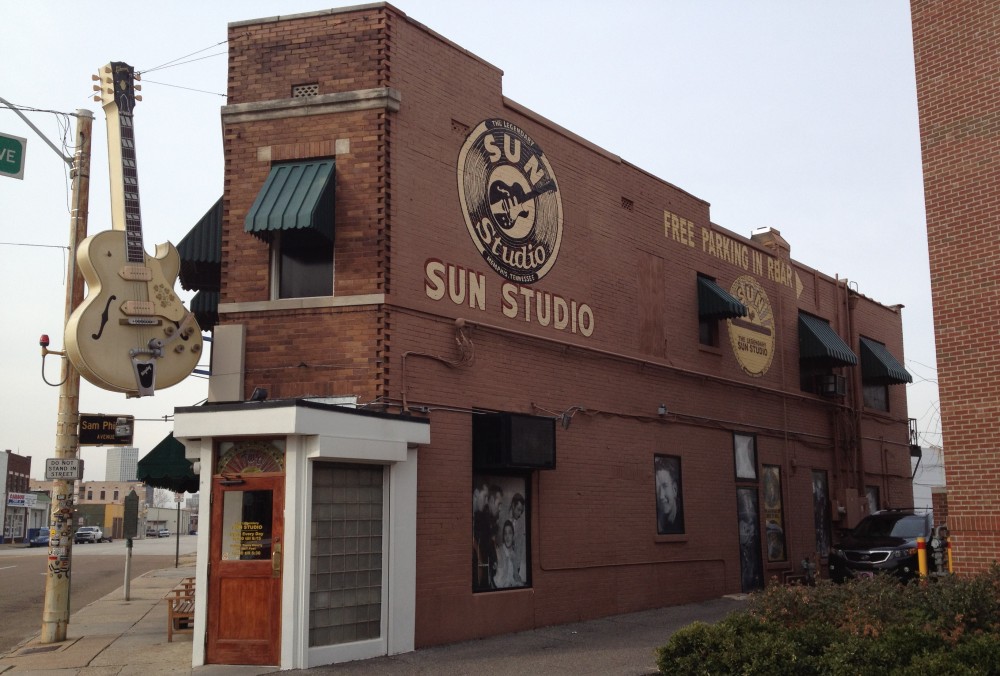
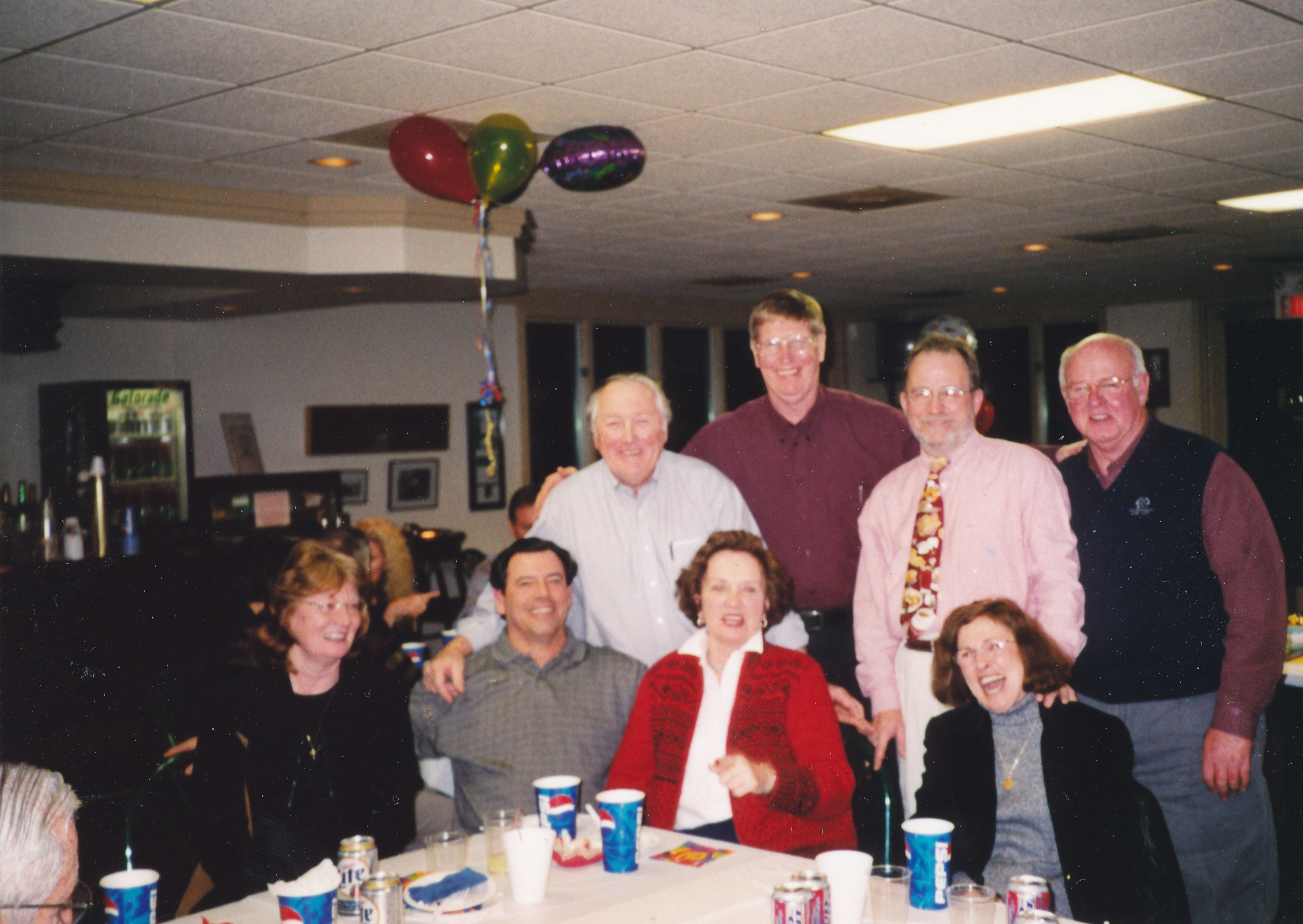
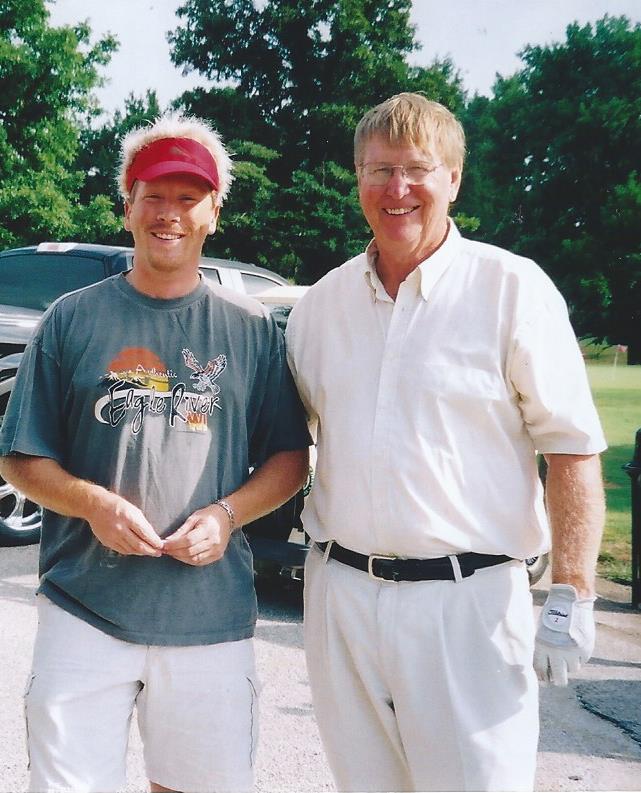



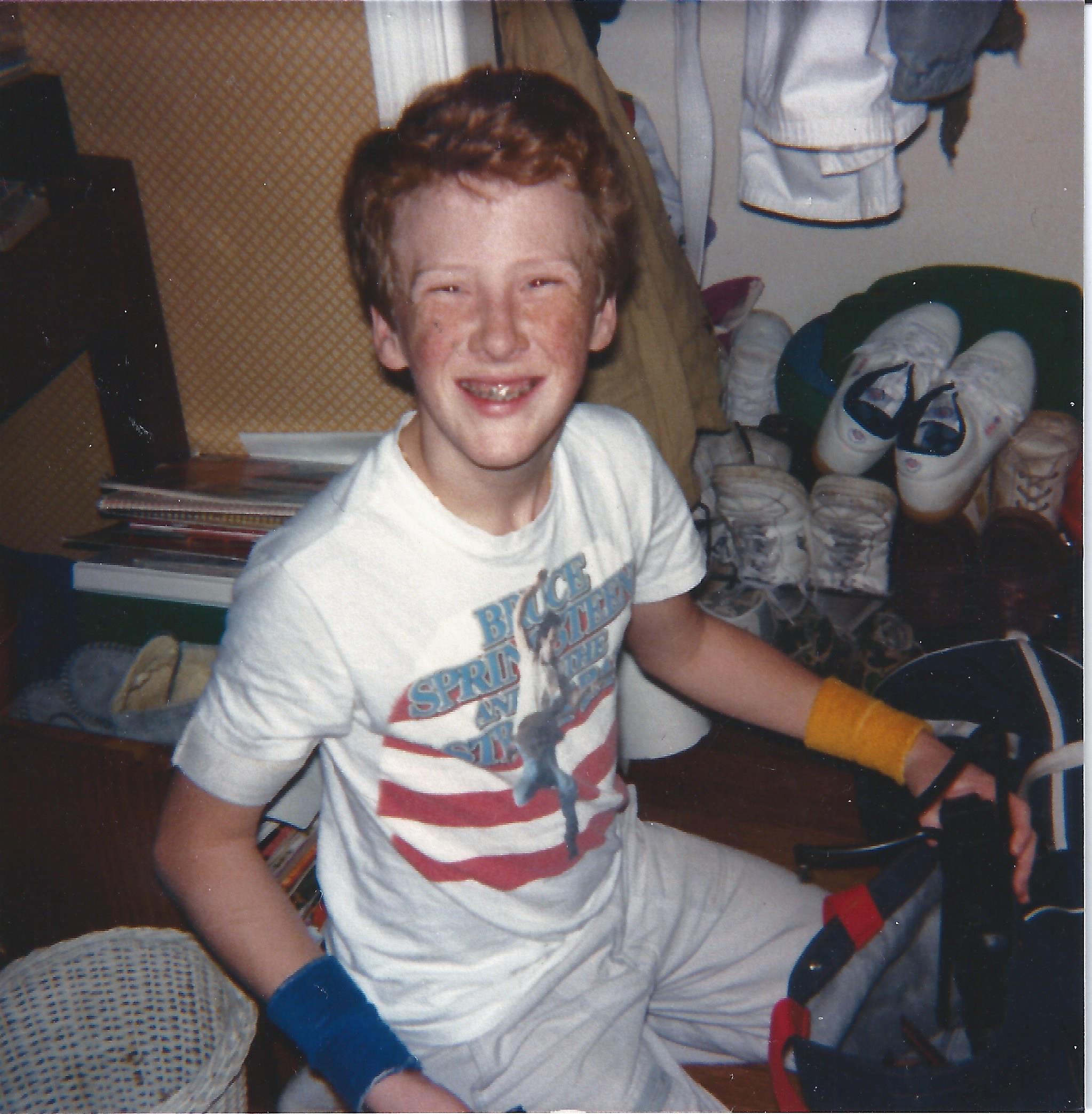



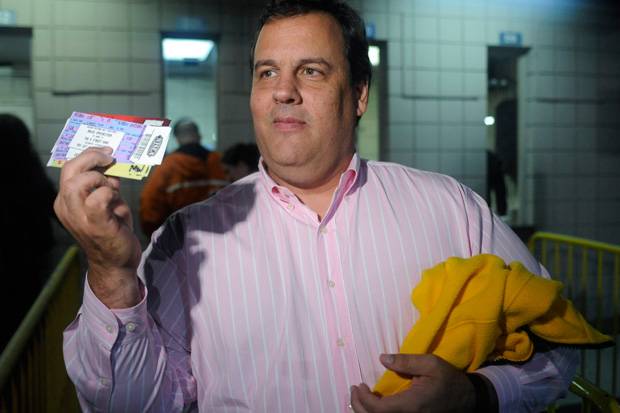





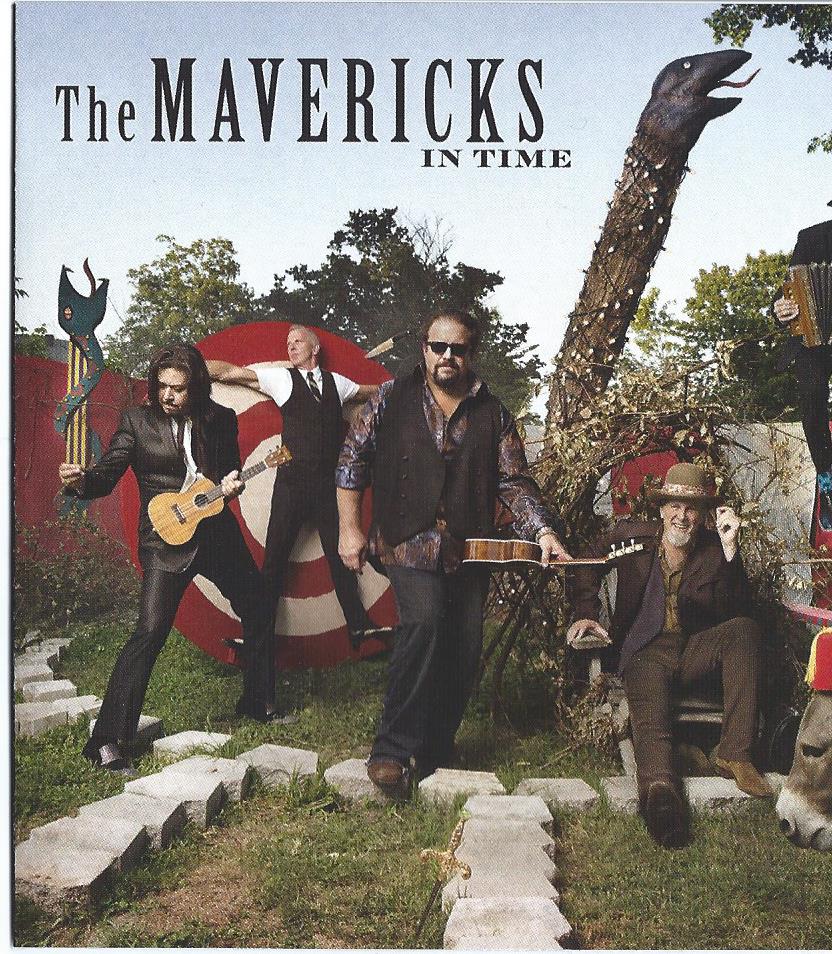









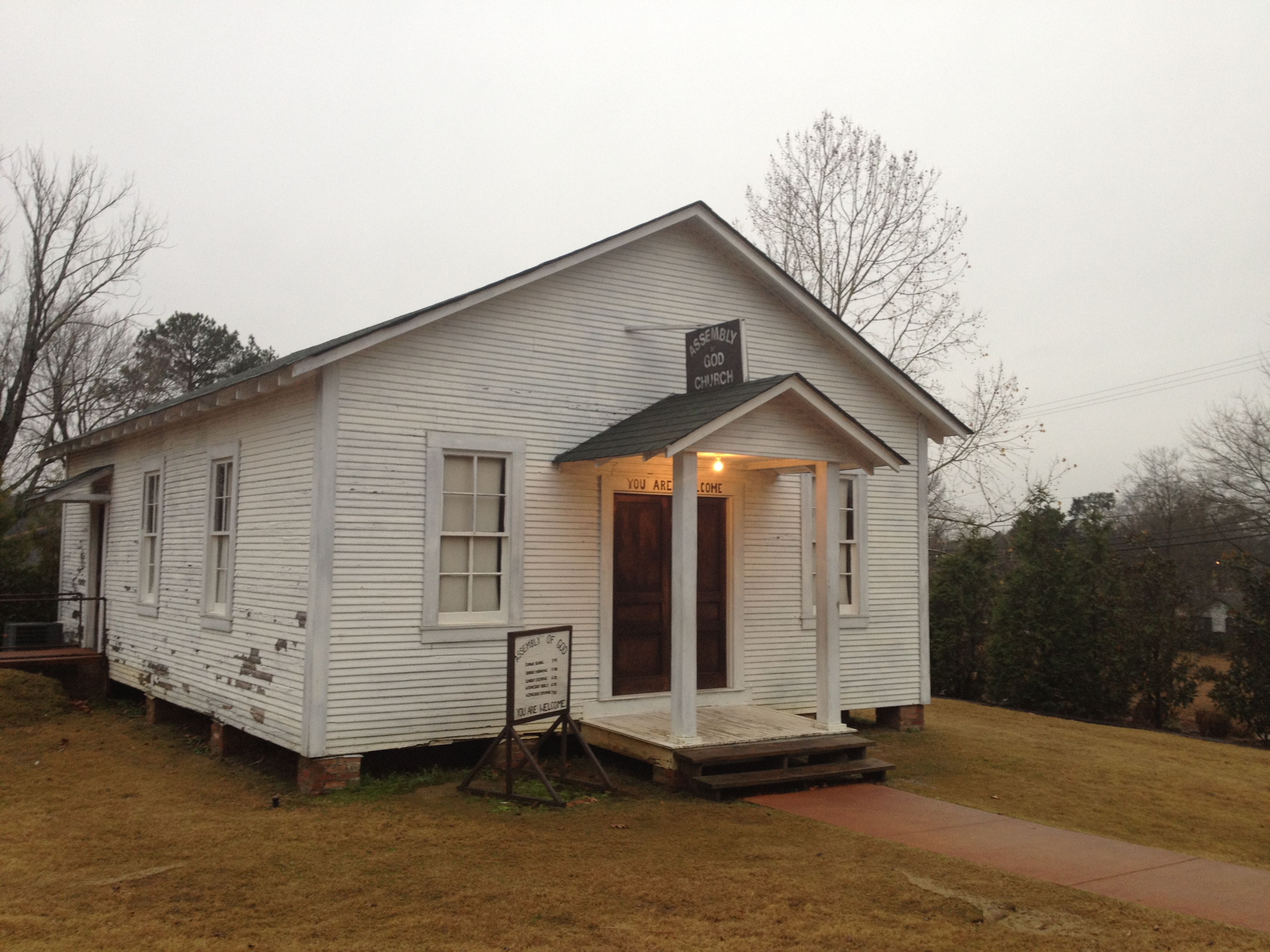



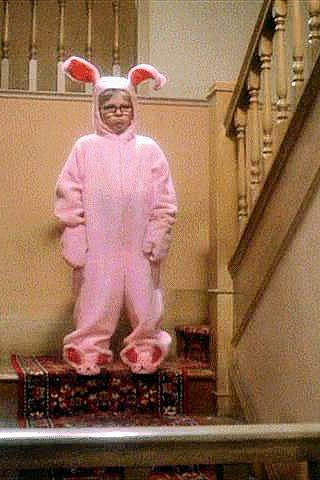


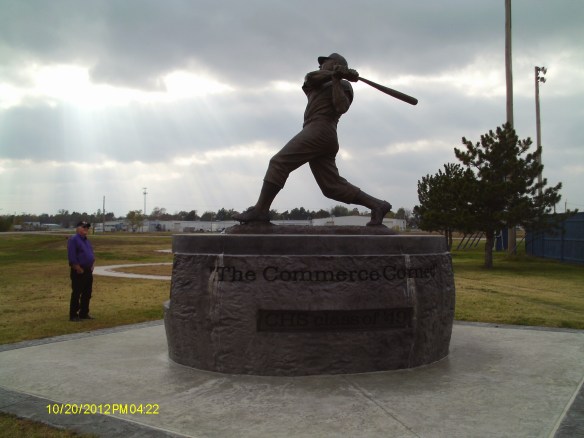
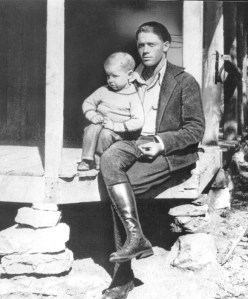


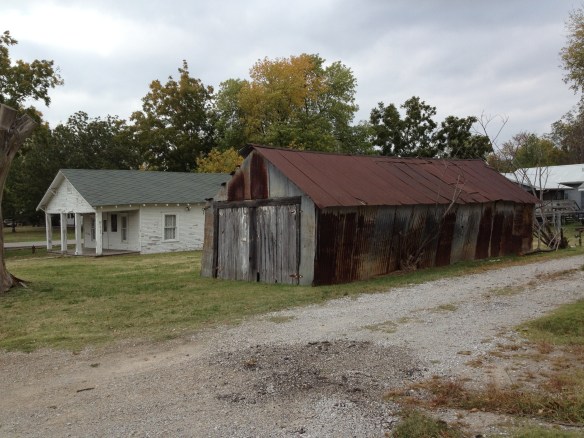

 unionavenue706